
Indonesian Consulate in Johor Bahru steps up measures against undocumented migrant workers in Malaysia
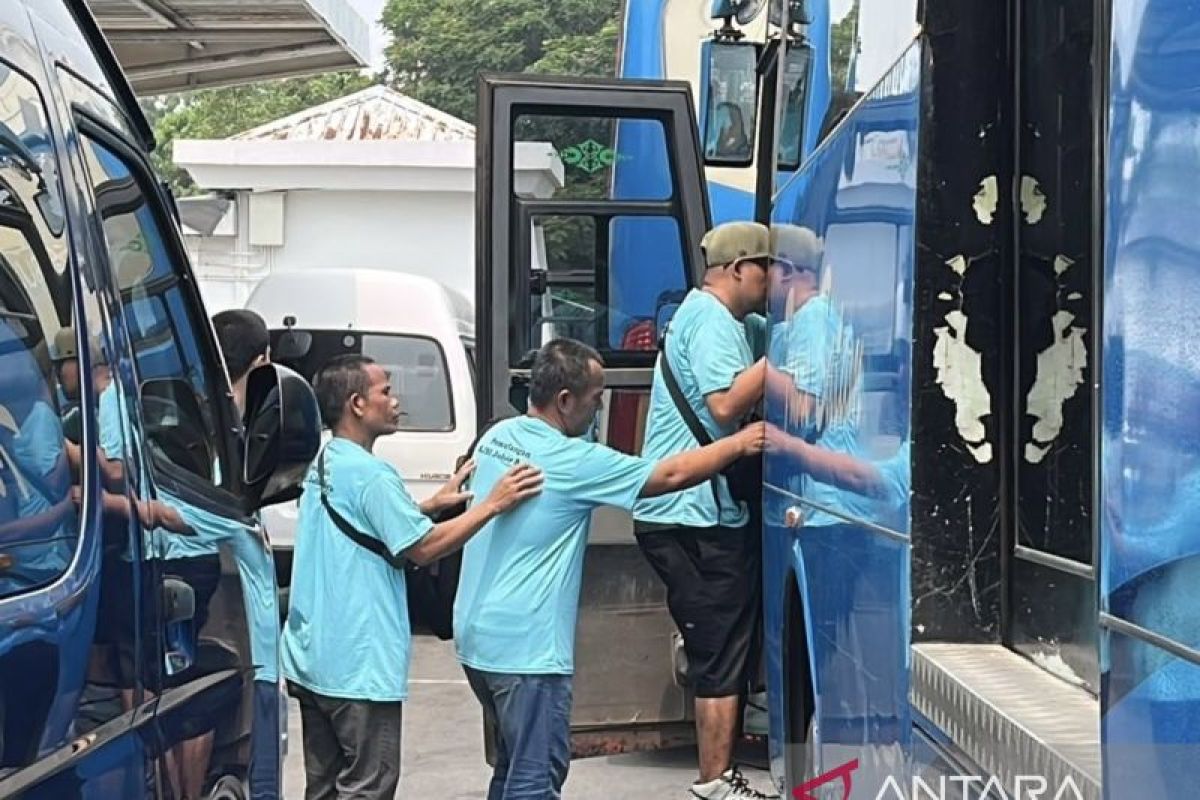
They have no documents to come to Malaysia. They are arrested in Malaysia, imprisoned, then assisted by the Indonesian Consulate General to obtain an SPLP (Travel Document in Lieu of a Passport) so they can return to Indonesia.
Batam (ANTARA) - The Consulate General of the Republic of Indonesia (KJRI) in Johor Bahru continues to anticipate the presence of undocumented or non-procedural Indonesian migrant workers (PMI) in Malaysia by reminding the public to follow official procedures before working abroad.
Irwan Adi Putra, a staff member of KJRI Johor Bahru, said some of the Indonesian nationals repatriated from Malaysia had previously been arrested and detained for lacking valid immigration documents to work in the country.
“They are certainly ‘empty-handed’. They have no documents to come to Malaysia. They are arrested in Malaysia, imprisoned, then assisted by KJRI to obtain an SPLP (Travel Document in Lieu of a Passport) so they can return to Indonesia,” said Irwan in Batam on Tuesday.
The group consisted of 100 men, 48 women, a 15-year-old boy, and a one-year-old toddler girl.
The majority were repatriated for immigration violations, such as overstaying their permits and working without a valid work authorisation.
Irwan said the detention periods of the Indonesian nationals in Malaysia varied depending on each individual’s handling process. Some were detained for around one month, while others for up to three months.
Within the group, he said there were also two pregnant women, to whom KJRI Johor Bahru provided special handling before their repatriation to Indonesia.
As for the toddler, Irwan said the child was repatriated together with her mother.
He emphasised that the SPLP issued to Indonesian nationals without travel documents is not a replacement for a passport to work again in Malaysia.
Upon arrival in Batam, all the Indonesian nationals were received by a joint team comprising the Batam Indonesian Migrant Worker Protection Service Post (P4MI), Batam Centre Port Immigration Office, the Port Quarantine and Health Supervision Centre, and other relevant agencies.
“They are then handed over to P4MI Batam for data recording and assistance before returning to their home regions, such as Lombok, East Java, Medan, and Aceh,” he said.
Leny Marliani, Consul Function Officer at KJRI Johor Bahru, said the repatriation of Indonesian nationals is not merely an administrative resolution of immigration matters, but also part of the social reintegration process after they return to their home regions.
She reminded Indonesian nationals who wish to work abroad again to use official government channels, such as the manpower offices, BP3MI, or the Ministry for the Protection of Indonesian Migrant Workers (KemenP2MI).
“For Indonesian nationals planning to pursue overseas employment opportunities in the future, we strongly emphasise the necessity of referring to official government channels. Compliance with legal procedures is not a bureaucratic burden, but rather a fundamental guarantee of legal certainty, personal safety, and protection of rights while working abroad,” she said.