
Indonesian Children Fake Ages to Bypass Social Media Ban, Minister Reveals
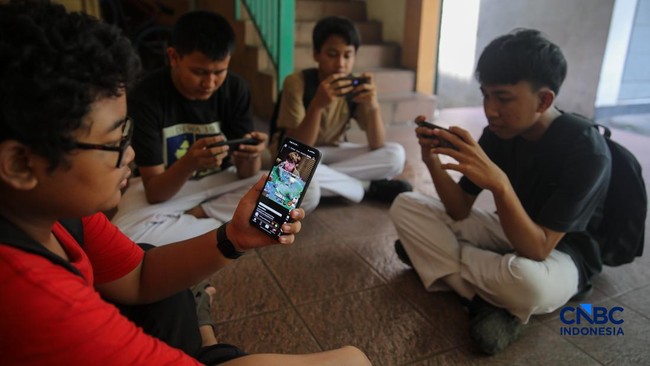
Jakarta, CNBC Indonesia - A number of children have been caught falsifying their ages to maintain access to social media, presenting a significant challenge to the implementation of Government Regulation No. 17 of 2025 concerning Electronic System Governance for Child Protection, also known as the PP Tunas.
Children are creating accounts with fake ages to bypass the restrictions stipulated in the PP Tunas, which limits access for those under 16 years old.
“A survey shows that out of five children, three are confirmed to have falsified their ages to access social media. This has become common,” said Deputy Minister of Communication and Digital Affairs Nezar Patria in an official statement, quoted on Monday (6/7/2026).
He added that this practice poses a challenge to the implementation of the PP Tunas because the age verification process relies on each digital platform’s own system.
The government has also requested all platforms to strengthen their age identification technology. This must be done without neglecting personal data protection provisions.
“We have conveyed to the platforms that they are the ones who can regulate this with their technological solutions. However, age identification must also comply with personal data protection principles,” he explained.
He noted that several platforms have implemented stricter systems, such as using algorithms to recognise usage patterns suspected to belong to underage users, including when they access age-inappropriate content.
Nezar explained that some platforms have imposed restrictions, and several child users are reportedly no longer able to access them because they are below the permitted age.
Furthermore, Nezar stressed that parental involvement is a key factor in protecting children on the internet. The government is also encouraging the creation of companion account mechanisms or parental guidance features to ensure children’s digital activities are effectively supervised.
“As parents, we must be more intensive in accompanying our children. The family approach remains an important part of protecting children in the digital space,” he said.