
Indonesian Border Management Agency Refines International Port Concept for Sebatik Border Post
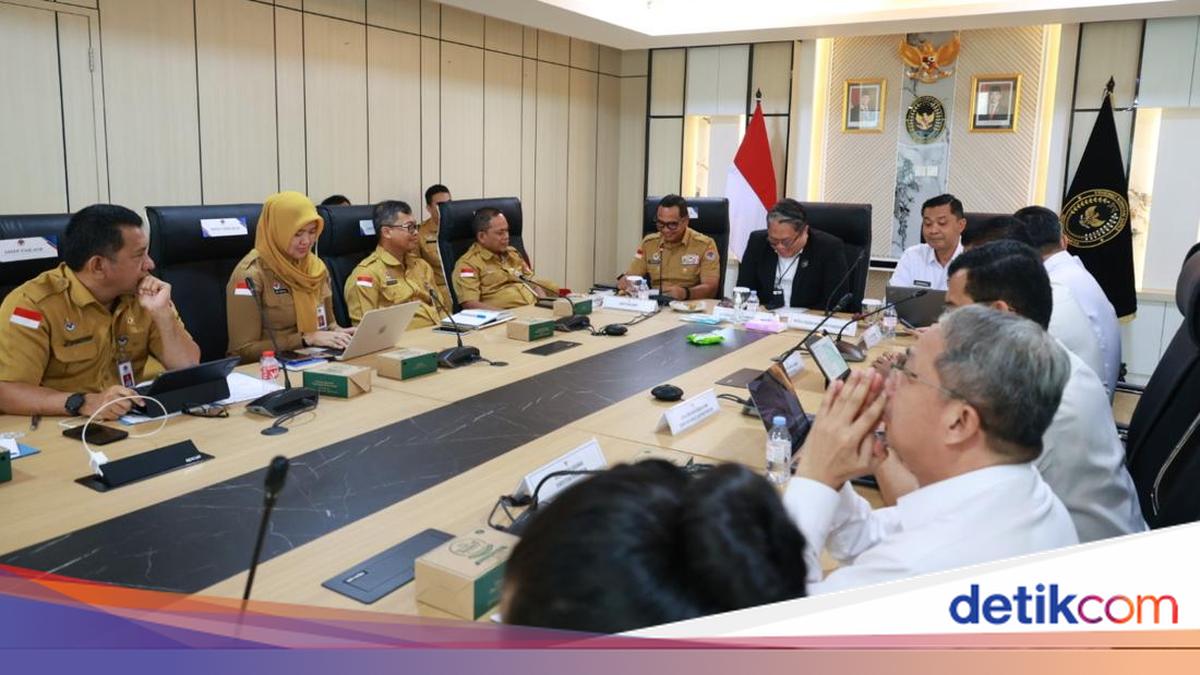
The National Border Management Agency (BNPP) of Indonesia is refining immigration governance policies and the operational concept for the international port at the Sebatik State Border Post (PLBN) in Nunukan Regency, North Kalimantan.
Discussions are aimed at accelerating the operations of the Sebatik Border Post through a port-to-port system by strengthening coordination across various ministries and agencies. The forum involved the Special Staff for Politics and Community Affairs of the Coordinating Ministry for Law, Human Rights, Immigration, and Correctional Affairs, the Head of the Transportation Policy Agency, and officials from the BNPP.
BNPP Secretary Makhruzi Rahman stated that the Sebatlag Border Post possesses different characteristics compared to most other border posts because it is a maritime border post. Similar characteristics are found at the Serasan Border Post, meaning management patterns must be adjusted to geographical conditions, community mobility, and the flow of people and goods in each region.
“The Sebatik Border Post is unique because it is a maritime post. Therefore, its management needs to be adapted to the characteristics of the movement of people and goods via sea routes,” Makhruzi said in a written statement on Monday.
Makhruzi emphasised the importance of support from the transport sector through the certainty of shipping locations and routes, as well as the availability of feeder transport from the border post area to community activity centres. Options discussed include making Sebatik a stopover point on the Tawau-Tarakan route and considering services from pioneer ships, Pelni, ASDP, and the Sea Toll programme.
“We need to arrange and establish shipping locations and routes so that the connectivity of the Sebatik Border Post can be strengthened,” said Makhruzi. The Nunukan-Sebatik-Tawau shipping pattern is also being studied as an alternative to strengthen connectivity and optimise border post infrastructure.
Nurdin, Deputy for National Border Area Management at BNPP, stated that the Sebatik Border Post should be directed to operate using a port-to-port system rather than relying solely on crossings with Malaysia. He noted that the approach is tailored to Sebatik’s maritime nature and existing crossing activities.
“The government needs to encourage the Sebatik Maritime Border Post to operate with a port-to-port system and not just rely on crossings with Malaysia,” Nurdin explained. He added that the Sebatik area also sees crossing activities from the Philippines, and the border post facilities already serve foreign crew members. This necessitates a border service system capable of accommodating broader maritime traffic.
Nurdin further explained that implementing a port-to-port system impacts the requirements for stakeholders in service delivery. While land borders involve Customs, Immigration, Quarantine, and Security (CIQS), maritime borders require the addition of port or harbour master elements, forming a Customs, Immigration, Quarantine, Security, and Port (CIQSP) system.
Nurdin emphasised that the operational readiness of the Sebatik Border Post must be addressed immediately, given the scheduled working visit of the leadership of the Indonesian People’s Representative Council (MPR RI) to the Sebatik Maritime Border Post on 6 October 2026. All relevant ministries and agencies are expected to agree on the service mechanism and prepare the implementation of this concept, including operational trials or a soft launch, before the visit.
Meanwhile, Randy Bagasudha, Special Staff for Politics and Community Affairs of the Coordinating Ministry for Law, Human Rights, Immigration, and Correctional Affairs, stated that the forum is part of an effort to synchronise steps between ministries and agencies in managing the Sebatik Border Post. He noted that a shared understanding is necessary so that the formulated policies can be implemented in an integrated manner.
“The most fundamental aspect is building a shared vision, values, morals, and ethics as a common foundation,” said Randy. He added that technical instruments such as memorandums of understanding or cooperation mechanisms can be drafted according to respective authorities, provided they rely on a shared goal to resolve management obstacles through coordination.
Similarly, the Head of the Transportation Policy Agency, Hermanta, stated that managing border areas requires collaboration between ministries and agencies to ensure integrated services for the community. He noted that sectoral regulations must be translated into harmonised service mechanisms on the ground.
“The ultimate goal is to ensure the government is present to provide services to the people living and active in the border area,” said Hermanta. He also highlighted the need for integrated multi-agency inspection services as part of international port operations. One option discussed is the formation of joint checkpoints to allow integrated services according to the duties and authority of each agency.
The finalisation of this concept is a step for the BNPP to integrate border governance, immigration, port management, and connectivity within the operations of the Sebatik Border Post. With follow-up actions from various agencies and operational trials prepared before 6 October 2026, the Sebatik Border Post is intended to become a more orderly, integrated maritime crossing point that meets the needs of border communities.
Source: jawawa.id (https://jawawa.id/newsitem/indonesian-border-management-agency-refines-international-port-concept-for-sebatik-border-post-1790614654)
Originally published by detikcom (https://news.detik.com/berita/d-8683510/bnpp-ri-matangkan-konsep-pelabuhan-internasional-plbn-sebatik-kaltara), translated from Indonesian