
Indonesian Air Force Joins Elite Bomb Disposal and Explosive Drone Drill at Strategic US Base in Guam
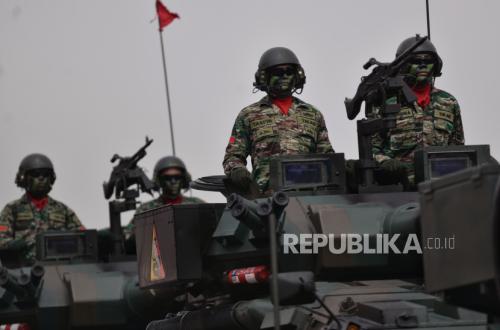
The Indonesian Air Force (TNI AU) is improving its ability to face threats from improvised bombs to explosive-laden drones through an Explosive Ordnance Disposal exercise with the US Pacific Air Forces at Andersen Air Force Base, Guam, United States. The training is considered crucial amid the increasing use of drones in modern warfare and acts of terror. Unmanned aircraft that crash or are successfully neutralised can still carry active explosive materials, requiring special handling before inspection or removal.
Seven TNI AU personnel participated in the exercise, which took place from 20 to 24 July 2026. The activity included theoretical learning, experience exchanges, equipment familiarisation, and practical handling of various explosive threats. Head of the TNI AU Information Service, Air Vice Marshal I Nyoman Suadnyana, stated that the training was aimed at improving personnel readiness to face the evolving threat spectrum.
“The materials provided included Unexploded Ordnance, Improvised Explosive Devices, and downed Unmanned Aircraft Systems or drones to strengthen personnel capabilities,” I Nyoman said when confirmed in Jakarta on Tuesday (28/7/2026). Unexploded Ordnance (UXO) refers to military munitions that have been fired, dropped, launched, or emplaced but failed to detonate as designed. Such munitions can remain active and explode at any time if shaken, moved, or subjected to certain changes.
Meanwhile, Improvised Explosive Devices (IEDs) are homemade bombs manufactured outside standard military production. Their shapes, materials, triggers, and placement methods can vary widely, requiring specific identification and procedures for handling. The material on downed UAS focused on drones that have crashed, been shot down, or forced to land. In addition to carrying cameras and electronic devices, such drones can be equipped with explosives that have not detonated.
Bomb disposal personnel must treat these drones as dangerous objects until it is confirmed that no active triggers remain. The risks stem not only from the explosive payload but also from batteries, fuel, sensors, and possible self-destruct mechanisms. The TNI AU stated that participants studied all stages, from threat identification and site security to inspection and handling of dangerous objects. The entire exercise proceeded safely in accordance with established safety procedures.
Source: jawawa.id (https://jawawa.id/newsitem/indonesian-air-force-joins-elite-bomb-disposal-and-explosive-drone-drill-at-strategic-us-base-in-guam-1785286296)
Originally published by Republika (https://news.republika.co.id/berita/tiw7kw451/tni-au-ikuti-latihan-elite-penjinakan-bom-dan-drone-peledak-di-pangkalan-strategis-as-guam), translated from Indonesian