
Indonesia-US Defence Pact Draft Requires In-Depth Review, Analysts Warn
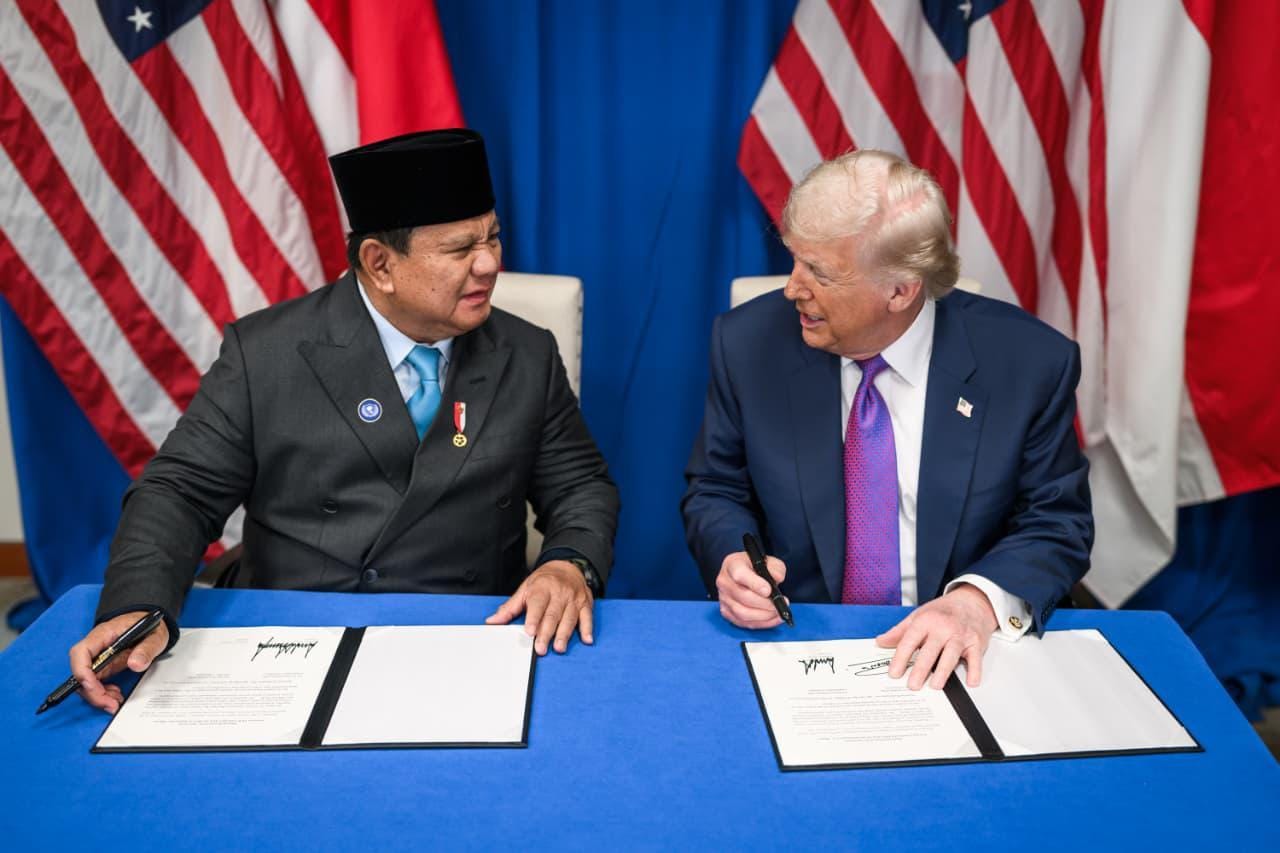
The draft Personnel Protection Agreement (PPA) being negotiated between Indonesia and the United States has drawn scrutiny from a number of analysts. They argue the discussion of this cooperation must be conducted thoroughly to ensure it does not impact legal sovereignty, defence policy, or the principles of Indonesia’s foreign policy, which adheres to the ‘free and active’ doctrine. One of the provisions under the spotlight relates to legal protection arrangements for United States military personnel serving in Indonesia. The draft contains stipulations regarding jurisdiction and legal protection for US military personnel. Several observers believe these provisions need to be carefully examined so as not to diminish national legal authority in handling alleged violations involving foreign personnel. International Security Expert from the University of Muhammadiyah Yogyakarta, Sugeng Riyanto, assessed that granting legal immunity or exclusive jurisdiction to foreign militaries could potentially affect Indonesia’s law enforcement authority. “If we go through with this agreement, we could be seen as taking sides. This certainly contradicts the principle of Indonesia’s foreign policy, which is free and active,” he said, as quoted on Monday (3/8). Beyond the legal aspects, the PPA draft is also said to contain a number of provisions related to operational facilities for the US military, such as exemptions from tax obligations, customs inspections, and overflight and landing fees for certain activities. These arrangements are considered to require further study to ensure they remain aligned with the state’s authority to supervise foreign military activities within Indonesian territory. The PPA discussions are also taking place amidst several planned defence cooperation initiatives between Indonesia and the United States that have previously attracted public attention. These include the proposed blanket overflight agreement, which could regulate US military aircraft flights through Indonesian airspace under certain conditions, and the plan to develop Kertajati International Airport in West Java as a maintenance, repair, and overhaul (MRO) facility for Hercules C-130 aircraft. Should these various forms of cooperation be realised simultaneously, concerns have emerged that the intensity of the United States military’s operational presence in Indonesia could potentially increase. Therefore, a strong oversight mechanism is required to ensure implementation remains in line with national interests and Indonesia’s defence policy. Chair of the Board of The Habibie Center, Dewi Fortuna Anwar, had previously also stressed the importance of maintaining the consistency of Indonesia’s foreign policy amidst global geopolitical dynamics. “It is important for Indonesia to uphold the principle of being free and active and not taking sides in the global geopolitical arena,” she said. A similar view was expressed by international law expert Hikmahanto Juwana. According to him, every defence cooperation agreement with another country must guarantee the upholding of national legal sovereignty. “Such agreements have the potential to create a bad precedent where national legal power and jurisdiction are displaced by a foreign power with superior legal protection,” he said. Overall, the discussion of the PPA draft must be conducted transparently, involving studies from various perspectives, ranging from law and defence to foreign policy. They are of the view that every form of international defence cooperation must prioritise national interests, safeguard state sovereignty, and be based on the principle of a free and active foreign policy.