
Indonesia Urges UN Security Council to Hold Emergency Meeting, Expert Highlights Challenges in UNIFIL Attack Investigation
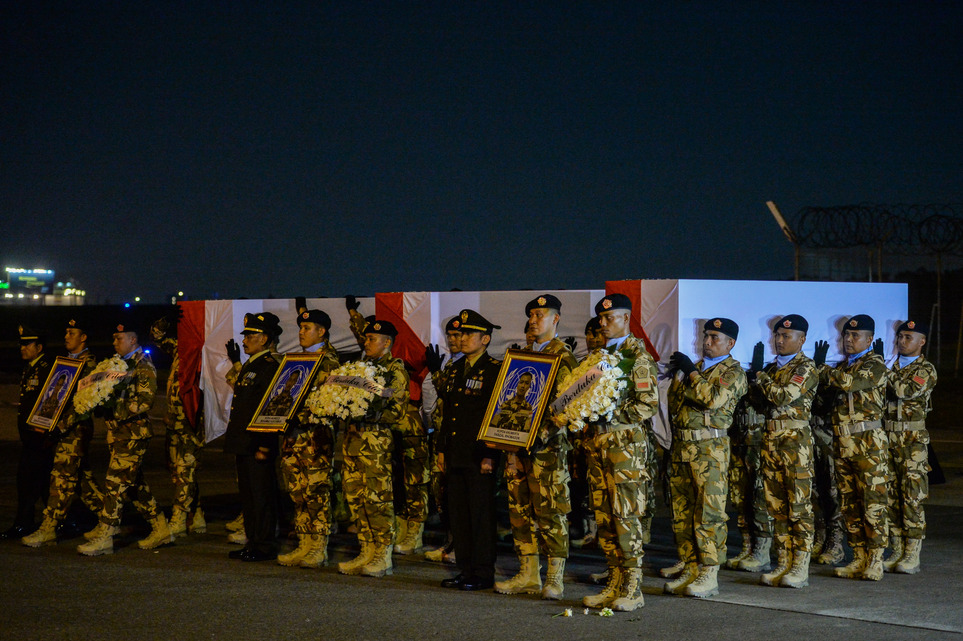
The Indonesian government has requested the United Nations Security Council (UNSC) to promptly hold an extraordinary meeting to discuss the attack on peacekeeping troops in Lebanon as part of the United Nations Interim Force in Lebanon (UNIFIL). In response to this initiative, international relations expert Teuku Rezasyah explained several key aspects regarding the effectiveness of Indonesia’s push, the challenges of the investigation, and its long-term implications. Regarding the extent to which Indonesia’s urging can yield concrete responses, Rezasyah assessed that efforts have already been made through diplomatic channels, both by the Ministry of Foreign Affairs and Indonesia’s Permanent Mission to the UN. However, he believes further steps are still necessary. “Indonesia has already urged UNIFIL to conduct a thorough investigation through the Ministry of Foreign Affairs and the Indonesian Permanent Mission to the UN. Now, it is about rallying solidarity with fellow UNIFIL partners to press UNIFIL to work transparently, systematically, and to promptly announce the results of their investigation,” said Reza when contacted by Media Indonesia on Sunday (5/4). He emphasised the importance of support from other countries involved in UNIFIL to strengthen international pressure on the investigation process. Meanwhile, regarding the challenges in conducting a thorough investigation into the incident, Rezasyah highlighted technical and legal aspects as the main obstacles. “The main challenge is the presence or absence of forensic evidence from the movements of Israeli forces around the attack area. It is also necessary to issue threats through the International Criminal Court against individuals in the IDF who are reasonably suspected of intentionally targeting the Indonesian contingent,” he stated. According to him, the existence of forensic evidence is key to ensuring accountability, as well as opening possibilities for legal action at the international level. Furthermore, Rezasyah warned of serious consequences if protection for peacekeeping troops is not swiftly strengthened. “In the long term, there will be reluctance to deploy peacekeeping forces, and pressure from the domestic public rejecting such deployment plans,” he explained. “This situation will benefit countries that violate international law, as there will be no more oversight on the ground. These countries can act arbitrarily against the civilian populations they occupy,” he continued. He assessed that weak protection for peacekeeping forces could undermine the international oversight system, while opening space for violations of international law without field supervision. Thus, Indonesia’s urging to the UNSC is seen as an important step to ensure the safety of peacekeeping troops and maintain the credibility of the global peacekeeping mission. The Indonesian nation is once again in mourning over the deaths of three of the best soldiers of the Indonesian National Armed Forces (TNI) who were carrying out a world peacekeeping mission in southern Lebanon. The remains of posthumous Major Inf Zulmi Aditia Iskandar arrived at Husein Sastranegara Airport in Bandung on Saturday night. The funeral will be led by the TNI Commander at the Cikutra Heroes’ Cemetery. Deep sorrow is still felt by Iskandarudin after losing his beloved son, Captain Infantry Zulmi Aditya Iskandar, who fell while carrying out the UN peacekeeping mission in Lebanon. This statement was made following the deaths of three TNI soldiers who were part of the UNIFIL mission. The Palestinian government envoy expressed condolences to the family of the late Captain Zulmi Aditya Iskandar who fell in the UN Peacekeeping Force mission in Lebanon. The government has ensured that the families of the three TNI soldiers who died in the UN peacekeeping mission in Lebanon will receive compensation of around Rp1.8 billion per person.