
Indonesia urges nuclear disarmament commitments amid NPT deadlock
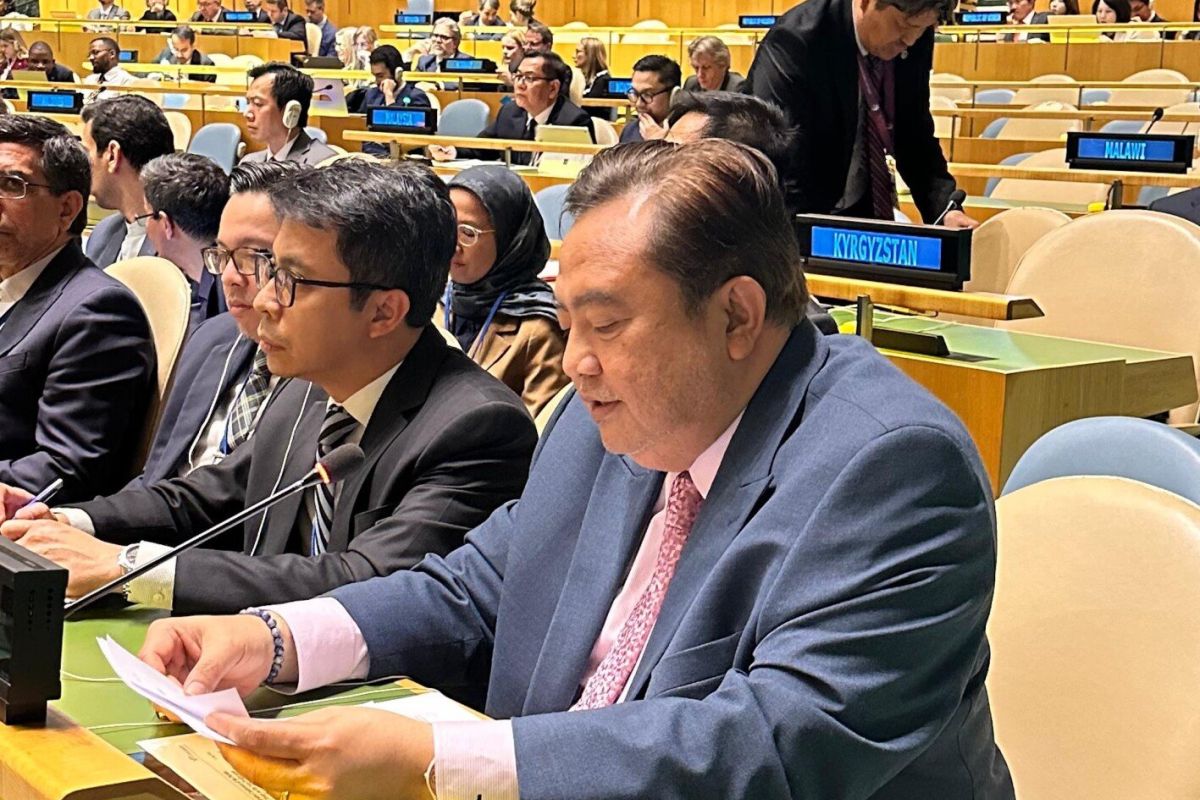
Jakarta (ANTARA) - Indonesia has urged commitment to nuclear disarmament amid the deadlock of the 2026 Nuclear Non-Proliferation Treaty Review Conference (NPT RevCon), which failed to reach a consensus. This was reiterated by Indonesia during the conference held at the UN headquarters from 27 April to 22 May 2026, as the Coordinator of the Non-Aligned Movement (NAM), representing 118 member states, according to the Ministry of Foreign Affairs’ official website on Sunday. At the forum, Indonesia led the coordination of non-aligned nations’ positions to ensure balanced implementation of the NPT across its three core pillars: nuclear disarmament, non-proliferation, and the peaceful use of nuclear energy. Indonesia stressed that consensus must not be achieved at the expense of nuclear disarmament substance or by lowering commitments agreed upon in previous review cycles. The 2026 NPT RevCon took place amid rising global nuclear risks, including arms modernisation, potential nuclear tests, and the use of new technologies such as artificial intelligence in nuclear command and control systems. Currently, over 12,000 nuclear warheads are still retained by several countries. Indonesia assessed that these conditions heighten the risk of miscalculation, escalation, and potential nuclear weapon use, posing a real threat of widespread humanitarian and environmental disaster. At the closing session, Indonesia expressed disappointment over the failure to reach a substantive final document, stressing that nuclear disarmament is not an abstract agenda but a real necessity for global peace, stability and security. Indonesia also stressed that non-nuclear-weapon states have strictly fulfilled their non-proliferation obligations under the NPT. Meanwhile, nuclear-weapon states are urged to take concrete steps in fulfilling their disarmament obligations under Article VI of the NPT. Furthermore, Indonesia emphasised the importance of guaranteeing each party’s right to peaceful nuclear energy use without discrimination, including from politically motivated or selective approaches. Indonesia also praised Vietnam, as Conference President, for its efforts to maintain an inclusive and constructive negotiation process amid complex dynamics. Indonesia stressed that the failure to reach consensus should not weaken global commitments to nuclear disarmament, but rather serve as a warning of rising nuclear risks and the need to strengthen political will towards a nuclear-weapon-free world.