
Indonesia urges Asia-Pacific nations to bolster human resource training amid AI disruption
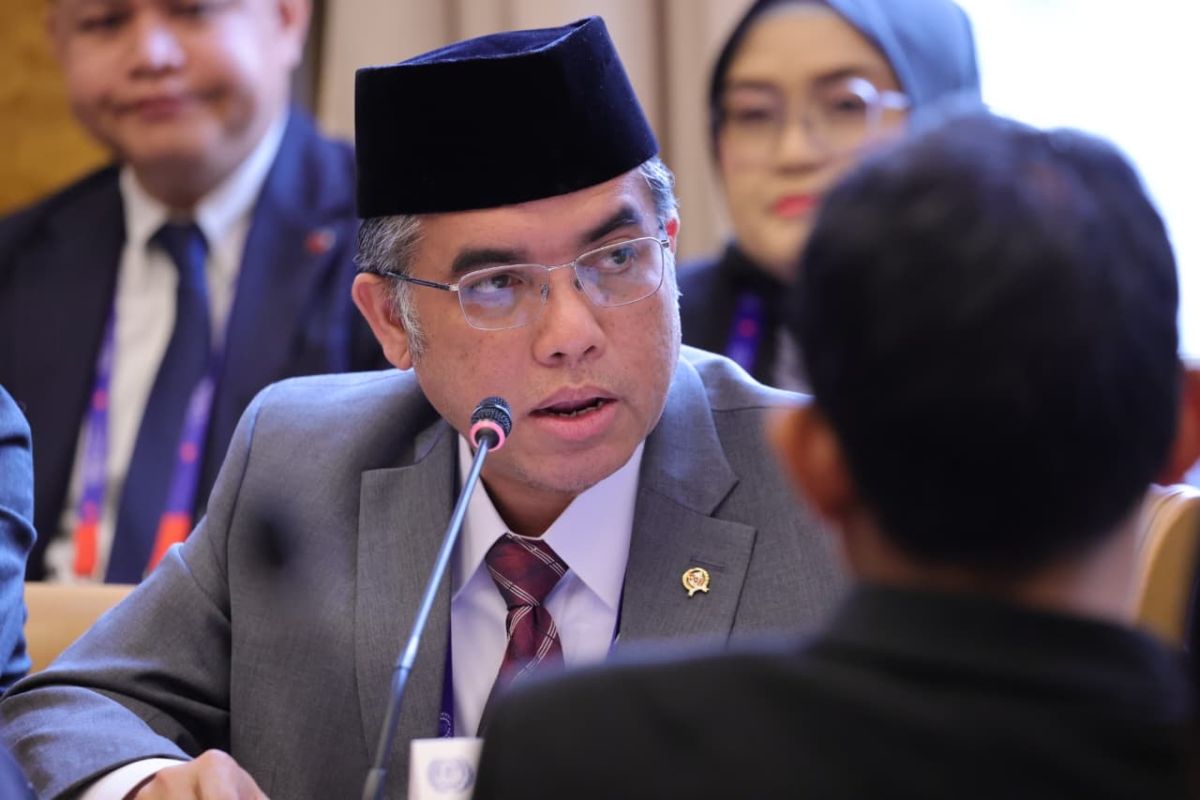
Manpower Minister Yassierli has invited member countries of the Asia Pacific Group (ASPAG) to strengthen cooperation on training and future skills development amidst technological disruption such as artificial intelligence (AI). “Indonesia believes that inter-country cooperation is becoming increasingly important. Employment challenges cannot be faced alone. Our strength lies in the willingness to share best practices and learn from one another,” said Minister Yassierli in a statement received in Badung, Bali, on Wednesday. The minister remarked that Asia-Pacific countries face increasingly complex labour challenges, ranging from unemployment, the rise of informal employment, the risk of job displacement due to technological and AI disruption, to the need for inclusive employment policies so that no community group is left behind. According to Yassierli, inter-country cooperation is necessary so that nations can share experiences, policies, and best practices in preparing a workforce suited to industry needs, while ensuring workers still receive proper protection. Furthermore, the minister conveyed that under the leadership of President Prabowo Subianto, Indonesia has placed skills development as a priority to address the mismatch between job seekers’ competencies and the constantly changing demands of industry. One of the steps taken by Indonesia is the National Internship Programme for university graduates. This programme provides six months of structured work experience in industry, supported by a government stipend equivalent to the minimum wage. This year, the programme is targeted to reach 150,000 participants. In addition, the Indonesian government runs the National Vocational Training Programme targeting upper secondary school graduates and equivalent levels, aimed at reaching 300,000 participants. The minister affirmed that both programmes are designed to be inclusive. Skills enhancement opportunities are equally open to women, persons with disabilities, and communities from remote and border regions. He assessed that job seekers require training aligned with industry needs, fresh graduates need work experience, workers need new skills to remain relevant, and vulnerable groups need fairer access to enter the labour market. Within the ASPAG forum, Indonesia has also opened space for cooperation on a number of priority areas, encompassing the development of vocational training curricula for future skills, the establishment of training centres for persons with disabilities, community development in the agricultural sector, and the formation of productivity clinics and appropriate technology centres. “Indonesia is ready to share and to learn. We have many things to offer one another to build a stronger and more resilient region for workers,” stated the minister.