
Indonesia touts food self-sufficiency as global protectionism rises
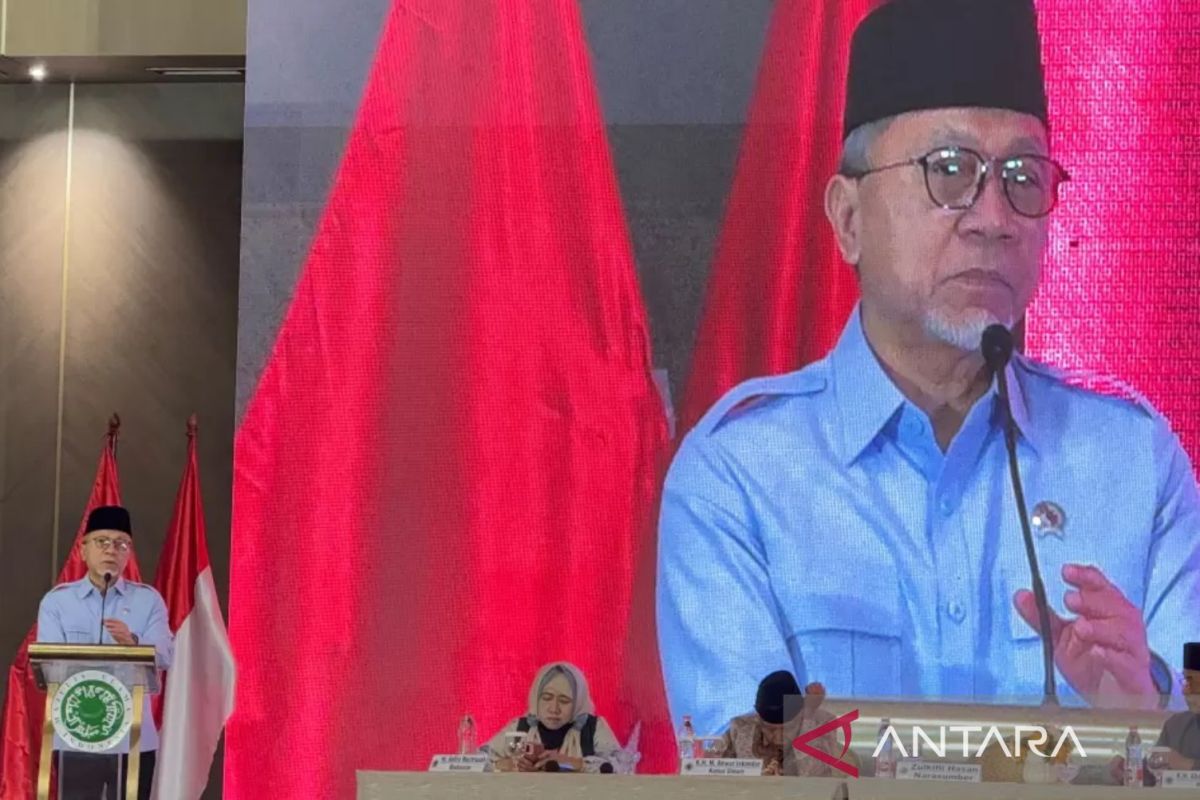
Speaking at the 8th Indonesian Muslim Congress, he highlighted the government’s success in achieving self-sufficiency in key food commodities, framing it as proof of support for farmers nationwide.
Hasan observed that recent geopolitical dynamics had compelled many countries to secure domestic supplies at the expense of exports, a trend underscoring Indonesia’s urgency to build self-reliance.
“In this global situation, we can only rely on ourselves for help,” the minister affirmed.
He added that the government had taken measures to boost food production in anticipation of global protectionism, resulting in notable achievements.
Indonesia, he continued, successfully ended reliance on imported rice in 2025 and recorded a surplus of 4.2 million metric tons, a stark contrast to the 4.5 million tons imported the previous year.
The minister went on to emphasize that Indonesia’s strengthening food security extends beyond rice, highlighting self-sufficiency in corn, table sugar, chicken eggs, chicken meat, and fish.
He attributed the success to the government’s shift from import-centered policies to farmer-empowering initiatives, such as improved selling prices for unhusked rice and expanded fertilizer access.
“Self-sufficiency is the honor of farmers, the honor of our families and fellow citizens. Food sovereignty is not merely about economics; it is about national dignity,” Hasan stressed.
He also used the congress to call on Indonesian Muslims to contribute insights into fundamental challenges facing farmers and fishers, helping the government realize equitable welfare nationwide.
Apart from food security, the minister pointed to Indonesia’s significant progress toward energy self-sufficiency, citing recent diesel fuel production expansion and efforts to increase ethanol blending.
“Ethanol can be derived from cassava, corn, or sugarcane. It is crucial that we go all-out in pursuing food and energy security so this nation can stand on its own,” he said.
Related news: Indonesia achieves self-sufficiency in eight food commodities: Gov’t
Related news: Indonesia targets 2026 rollout of 40,000-village aquaculture program
Related news: Bapanas assures El Nino will not affect Indonesia’s food security
Translator: Sean Filo, Tegar Nurfitra