
Indonesia to Have a Giant Logistics Company: This is the Map of Its Strength
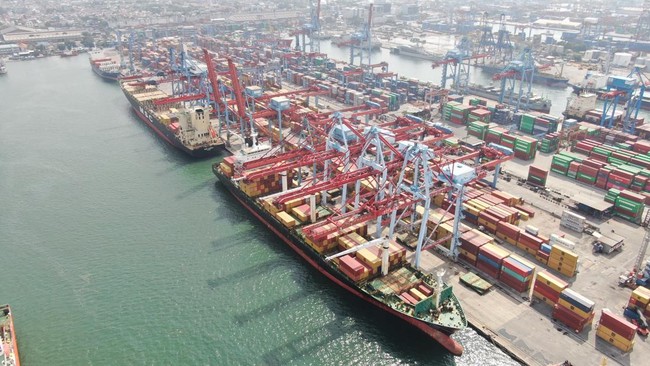
Indonesia’s Badan Pengelola Investasi Daya Anagata Nusantara (BPI Danantara) is currently processing plans to consolidate 15 state-owned enterprises (SOEs) operating in the logistics sector. This policy is a step towards efficiency to curb national logistics costs and integrate operations between companies. The merger is also intended to balance the financial structures of the companies, which currently have varying levels of profitability. Although it has not yet been announced which specific companies will be merged into one, several logistics firms under Danantara’s umbrella are highly likely to be merged under PT Pos Indonesia as the holding company. Based on public financial reports and historical data for each company, the financial conditions of these entities can be classified into three main categories: companies that consistently record profits, those that record losses, and those whose financial details have not been specifically published independently. Below is a breakdown of the performance of each company. Group of Profitable Entities This group consists of six companies that have historically recorded profits. These companies operate in the ports, shipping, postal services, rail, and digital information systems sectors. In the maritime infrastructure sector, PT Pelindo Terminal Petikemas recorded the highest profit contribution compared to other entities. The company reported a profit of Rp2.21 trillion in 2023, increasing to Rp2.59 trillion in 2024. Up to the third quarter of 2025, the company’s profit was recorded at Rp1.79 trillion. In the ferry shipping sector, PT ASDP Indonesia Ferry recorded a profit of Rp605.03 billion in 2023, before an adjustment to Rp436.07 billion in 2024. PT Pelayaran Nasional Indonesia (Pelni) also posted a profit of Rp198.92 billion at the end of 2024, after previously booking Rp137.42 billion in 2023 and Rp262.14 billion in 2022. In land operations, PT Pos Indonesia recorded a profit of Rp1.2 trillion in 2023. This figure was adjusted to Rp838.94 billion in 2024. In the first half of 2025, the company reported a profit of Rp144.32 billion. PT KAI Logistik also recorded stable performance with comprehensive profits ranging from Rp92 billion to Rp100 billion over the last three years (2022-2024). In the first half of 2025, KAI Logistik’s operating revenue increased by 7% to Rp538.6 billion, supported by a cargo transport volume of 11.2 million tonnes. In the digital services sector, PT Integrasi Logistik Cipta Solusi (ILCS) recorded an increase in comprehensive profit from Rp25.71 billion in 2023 to Rp56.67 billion in 2024, supported by operating revenue of Rp792.39 billion. Group of Entities with Red Reports (Losses) This group consists of two companies focused on industrial commodity logistics. Both companies are currently recording a decline in financial performance. PT Pupuk Indonesia Logistik has shown a downward trend in profitability over the last three years. The company booked a comprehensive profit of Rp18.78 billion in 2022, then recorded a loss of Rp12.05 billion in 2023. In 2024, the company’s loss level increased to Rp90.52 billion, mostly influenced by rising operational costs and general administrative expenses. A similar condition was reported by PT Semen Indonesia Logistik. This company, operating in building materials distribution, recorded a net profit of Rp11.07 billion in 2023. However, in the 2024 books, the company recorded a loss of Rp30.29 billion. The consolidation of these two companies is expected to improve fleet utilisation through the redirection of transport capacity to other industrial sectors when the parent company’s production volume is declining. Group of Entities Not Specifically Detailed The third group includes seven companies whose independent financial data has not yet been published or detailed in the initial consolidation plan. These companies provide area-based, air, and supporting supply chain operation logistics services. The seven companies in this category complete the national logistics operational ecosystem. Garuda Indonesia Logistik, Angkasa Pura Kargo, and Aerojasa Cargo manage terminal facilities, transportation, and administrative services for air route logistics. In the maritime and land operations sector, Pelindo Solusi Logistik and Varuna Tirta Prakasya carry out roles in developing supporting areas and expedition services. Warehouse infrastructure availability is managed by BGR Logistik Indonesia, while bulk cargo transport needs are handled by Djakarta Lloyd. The merger of all these entities is projected to result in operational standardisation and the formation of a more integrated distribution cost structure.