
Indonesia to Enforce Strict Supervision at PFII to Prevent Round-Tripping
Jakarta (ANTARA) - The government is applying strict oversight at the Indonesia International Financial Centre (PFII) to prevent the practice of round-tripping capital.
Round-tripping involves the transfer of domestic funds or capital abroad, which is then channelled back into the country of origin in the form of foreign direct investment (FDI) in order to obtain tax incentives.
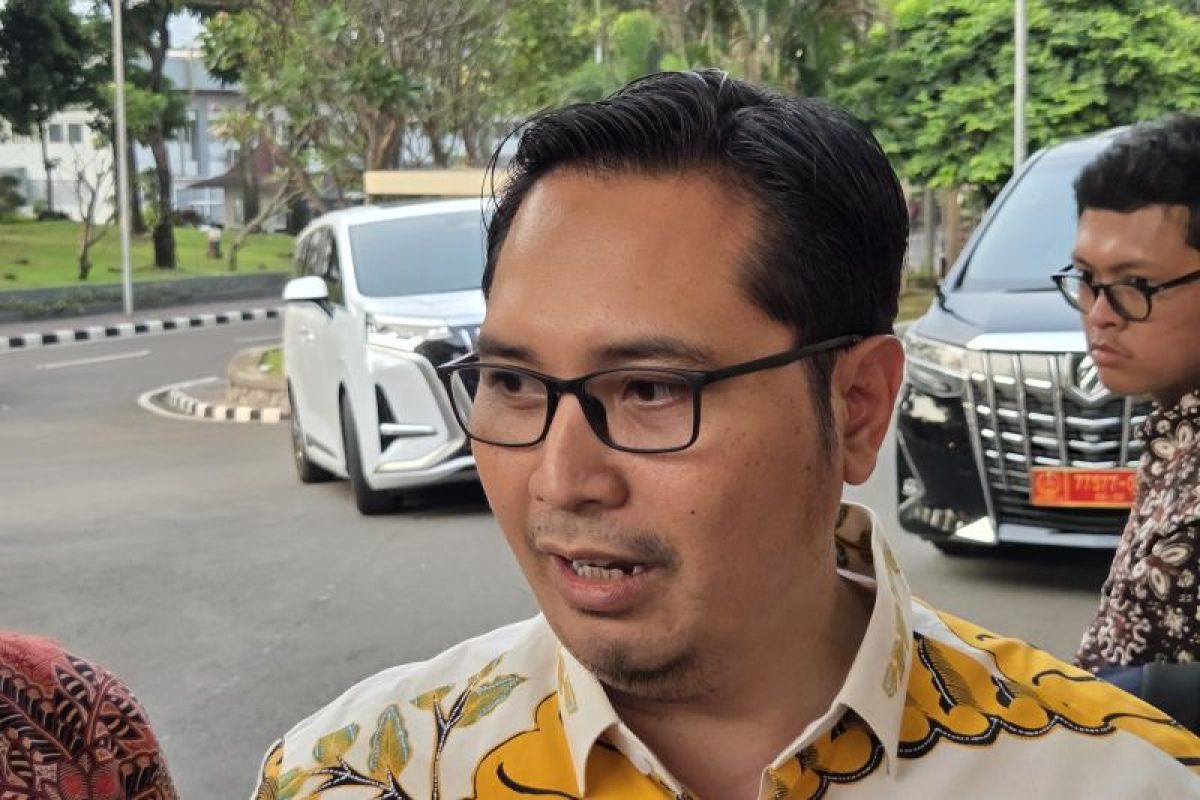
Herman Saheruddin, Director-General of Financial Sector Stability and Development at the Ministry of Finance, said that all businesses wishing to operate in the PFII must comply with international regulatory standards so that the potential for abuse of investment facilities can be minimised.
“That (round-tripping of capital) must be mitigated. Because a financial centre like the PFII is strict. It must submit to international regulators. If something like that occurs, the screening must also be strict,” Herman said when met at the Parliamentary Complex in Jakarta on Wednesday.
Herman said the investor screening process will follow global standards already applied at various international financial centres.
“If you look at other financial centres, the point is that entering them is complex; the process is complex, but there are incentives for entering. However, once they enter, they must comply with the existing regulations,” he explained.
He added that the government will also prepare rules on company ownership, including in cases where ownership is held by Indonesian citizens.
According to Herman, the PFII is not only intended to become an international financial centre but is also expected to drive economic growth by harnessing the vast potential of domestic resources.
At the same time, Herman affirmed that the government will continue to comply with international taxation standards, including the Global Minimum Tax (GMT) provisions, so it will not offer excessive incentives simply to attract investment.
“We must still comply with the global minimum tax. As for incentives, the point is that we can compete with others, but the details are still being worked out together with the House of Representatives,” he said.
Previously, Telisa Aulia Falianty, Professor at the Faculty of Economics and Business at the University of Indonesia (FEB UI), noted in her study that round-tripping is one of the risks that must be anticipated in the future development of the PFII.