
Indonesia to Build Two Methanol Plants in Aceh and East Kalimantan, Here Are Their Tremendous Impacts
PT Pupuk Indonesia (Persero) is accelerating steps to support the mandatory B50 biodiesel policy targeted for implementation in 2026. This state-owned company is preparing the construction of two methanol plants in Aceh and East Kalimantan as a key supply for biodiesel raw materials.
PT Pupuk Indonesia’s President Director, Rahmad Pribadi, emphasised that the construction of these facilities is a direct government assignment to ensure the optimal conversion of crude palm oil (CPO) into biofuel.
“We have been tasked to support the transition to B50, where B50 requires two methanol plants to convert CPO (crude palm oil) into biofuel,” Rahmad said during a Working Meeting and Hearing (RDP) with Commission IV of the House of Representatives at the parliamentary complex in Jakarta on Tuesday (7/4/2026).
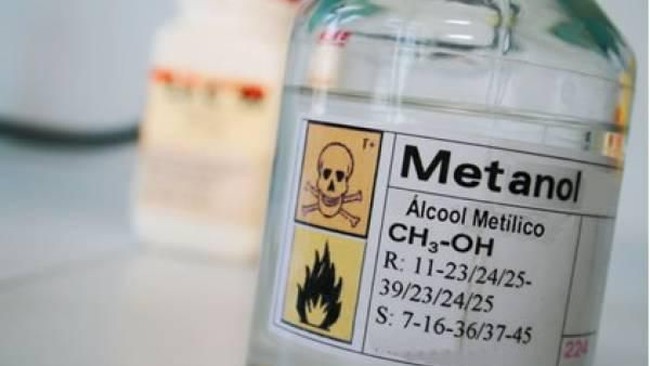
Methanol plays a crucial role as an important reactant in the biodiesel production process. Without additional domestic production capacity, methanol demand is likely to surge sharply along with the increase in the mandatory biodiesel blend.
Currently, Indonesia remains heavily dependent on imports. Rahmad revealed that the import volume of methanol reaches around 1.5 million tonnes per year.
“Without this construction, we will increase imports to 2.5 (million tonnes),” he stated.
In his presentation, he also mentioned that the national methanol requirement in 2025 is estimated to reach 1.8 million tonnes per year, while domestic production capacity is only around 400,000 tonnes. With the implementation of B50, that demand is projected to jump to 2.9 million tonnes.
“Without an increase in domestic methanol production capacity, methanol imports will rise from 1.4 (million tonnes) to 2.5 million tonnes,” Rahmad stressed.
To close this gap, two methanol plants will be built in Lhokseumawe, Aceh, and Bontang, East Kalimantan, locations deemed strategic in terms of infrastructure readiness and raw material access.
“The locations already have gas sources, industrial zones, ports, and feasibility studies completed. So, if instructed to build there, it can be faster. For gas with Mubadala (Energy), we have an MoU, and with East Kalimantan, it’s in progress,” he explained.
Speaking after the meeting, Rahmad added that the project is still in the investment calculation stage, although the capacity needs have been agreed upon.
“Well, this is currently calculating the CAPEX (Capital Expenditure or capital spending). But clearly, in terms of volume, we have agreed on the needs,” he clarified.
In terms of timeline, Rahmad stated that the construction of these two facilities is estimated to take more than three years or around 40 months before they can start operating.
“Building it will take around 40 months, roughly,” Rahmad revealed.
Furthermore, he disclosed that the assignment to build the methanol plants is a direct mandate from the Ministry of Agriculture and has received support from the Investment Management Agency (BPI) Danantara as the state-owned enterprises superholding.
With this construction, the government aims to reduce reliance on methanol imports while ensuring the continuity of the national biodiesel programme amid the surge in plant-based energy needs.
Source: jawawa.id (https://jawawa.id/newsitem/indonesia-to-build-two-methanol-plants-in-aceh-and-east-kalimantan-here-are-their-tremendous-impacts-1775606640)
Originally published by CNBC Indonesia (https://www.cnbcindonesia.com/news/20260407154015-4-724614/ri-bakal-bangun-2-pabrik-metanol-di-aceh-kaltim-ini-efek-dahsyatnya), translated from Indonesian