
Indonesia targets land degradation neutrality on 12.3 million hectares by 2030
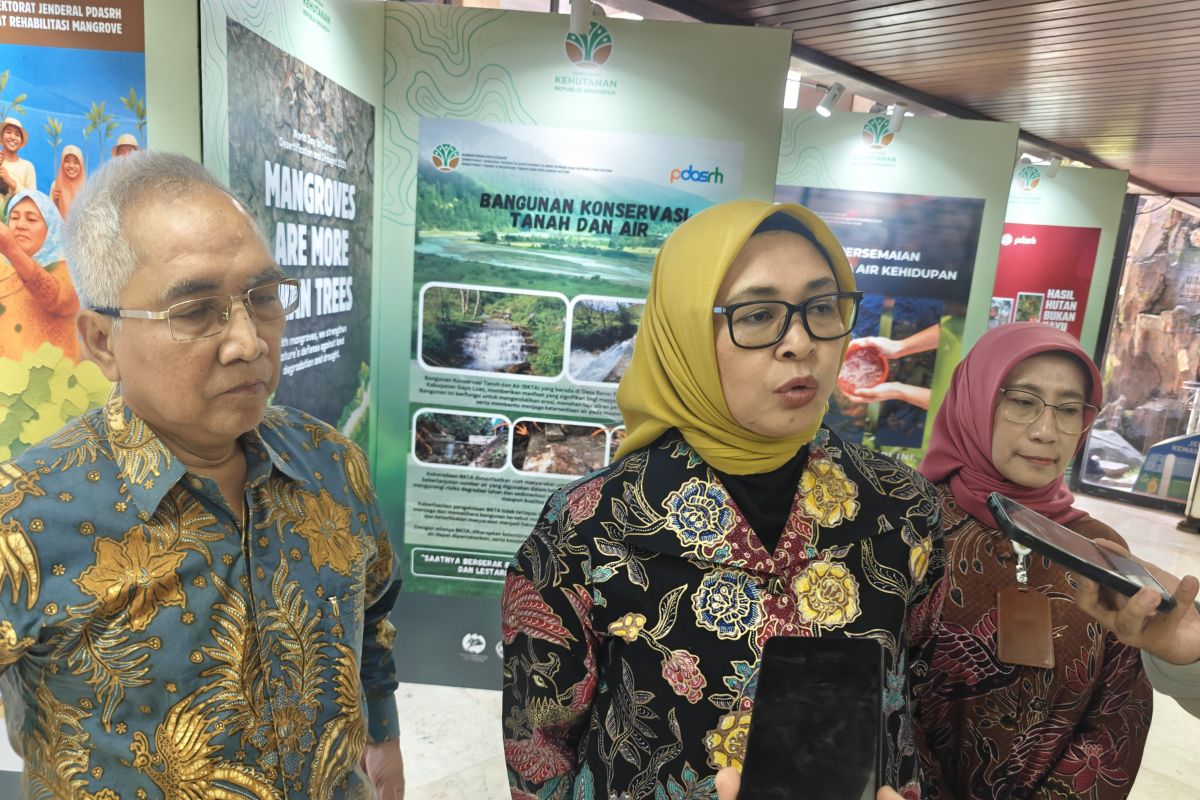
The Indonesian government, through the Ministry of Forestry, is targeting the achievement of Land Degradation Neutrality (LDN) on 12.3 million hectares by 2030. Director General of Watershed Management and Forest Rehabilitation at the Forestry Ministry, Dyah Murtiningsih, stated that this commitment is part of Indonesia’s obligations as a member of the international convention UNCCD. “Indonesia is committed to achieving Land Degradation Neutrality, meaning a balance between degraded and restored land. Our target until 2030 is around 12.3 million hectares,” she said after the ‘World Day to Combat Desertification and Drought’ event in Jakarta on Wednesday. Dyah explained that the pursuit of this global climate target will be accompanied by the massive acceleration of the Forest and Land Rehabilitation (RHL) programme through tree planting both inside and outside forest areas. In addition to vegetation planting, the Ministry is combining this with the application of civil engineering techniques through the construction of soil and water conservation infrastructure in various critical areas across Indonesia. The technical civil infrastructure to be optimised in the field includes erosion control structures such as gully plugs, check dams, retention dams, and the creation of terracing systems. Dyah acknowledged that land restoration efforts currently face significant challenges from the high frequency of wet hydrometeorological disasters as well as the threat of drought affecting the country. According to data from the National Disaster Management Agency (BNPB), there were 3,179 natural disaster events throughout 2025, 90 per cent of which were wet hydrometeorological disasters such as floods and landslides. The disaster events with significant material and social impact during that period were flash floods and landslides that hit Aceh, North Sumatra, and West Sumatra. To address these dynamics, the Ministry is promoting cross-sector collaboration involving the central government, regional governments, and inter-ministerial and institutional bodies to practise sound land management. Dyah cautioned that negligence in managing land use wisely could trigger a long-term domino effect, including a clean water crisis, food scarcity, and threats to national energy security stability. “We invite everyone to collaborate in applying soil and water conservation principles. This must become part of all aspects of society in using land for various activities wisely,” she said.