
Indonesia Targets 500,000 Skilled Migrant Workers Through 'SMK Go Global' Programme
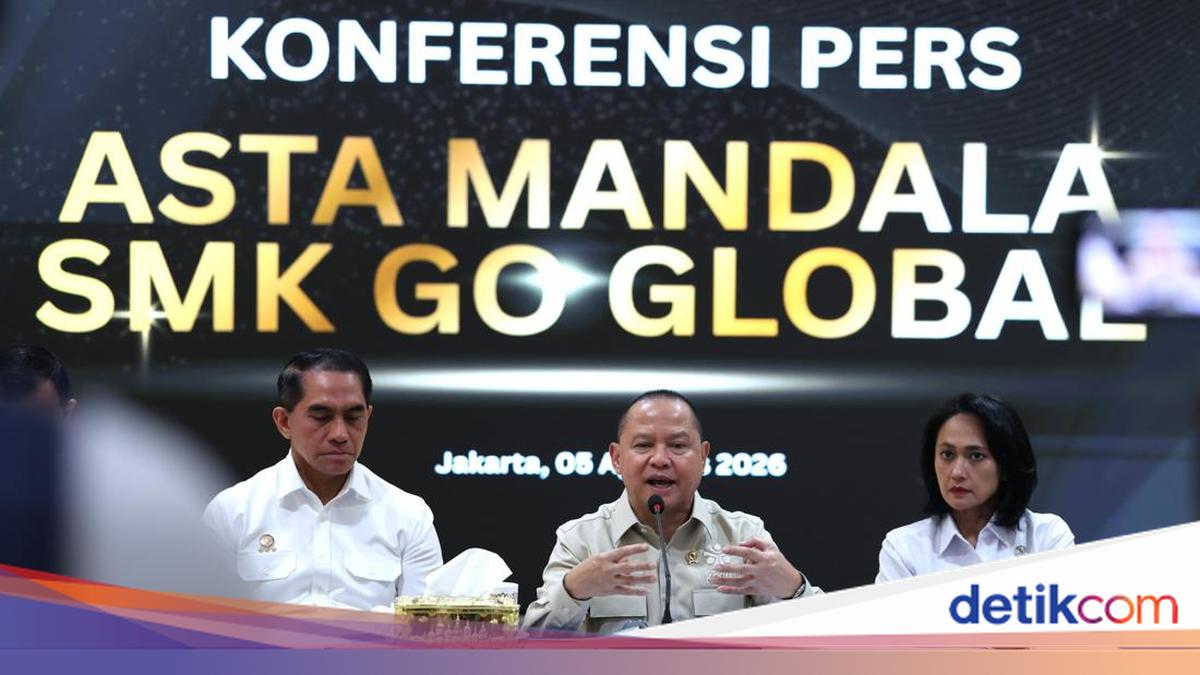
Minister of Protection of Indonesian Migrant Workers (P2MI), Mukhtarudin, has officially launched the ‘SMK Go Global’ programme as a key framework for building competent, protected, and globally competitive Indonesian talent. The initiative is part of the implementation of President Prabowo Subianto’s directive to strengthen the migrant worker protection ecosystem and transform placements towards medium and high-skilled sectors. Mukhtarudin stated that the establishment of the P2MI Ministry reflects the government’s serious commitment to strengthening the protection ecosystem for Indonesian migrant workers, covering pre-placement, during employment abroad, and post-placement. The government is targeting the placement of 500,000 prospective Indonesian migrant workers (CPMI) through a quick wins programme, with annual targets of 40,000 in 2026, 140,000 in 2027, 180,000 in 2028, and 140,000 in 2029. The SMK Go Global programme will prepare vocational school graduates and the general public to meet international industry demands. The government is rebranding the image of Indonesian Migrant Workers, moving away from low-skilled labour towards medium and high-skilled sectors. Priority sectors include manufacturing, construction, welding, hospitality, transportation, and agriculture. A task force involving 12 ministries and agencies, universities, vocational institutions, and the private sector has been formed to ensure training is demand-driven. The mechanism requires job orders from destination countries before determining competencies and conducting training. Key destination countries include Japan, Germany, South Korea, Malaysia, Singapore, Taiwan, Turkey, Poland, and the Maldives. Registration for the programme is scheduled to open on 12 August 2026 through 23 P2MI service units across various provinces. The programme is guided by the ‘Asta Mandala’ philosophy, which consists of ‘Panca Sukses’ (Five Successes) covering competency, protection, placement, remittance, and governance, and ‘Tri Dampak’ (Three Impacts) targeting social, human resource, and economic benefits. Mukhtarudin emphasised that the ultimate goal is ‘brain circulation’, where returning migrant workers with international experience, language skills, and professional discipline will contribute to national development and entrepreneurship. He expressed optimism that cross-sector synergy will drive the birth of superior Indonesian talent and strengthen national competitiveness towards the Golden Indonesia 2045 vision.