
Indonesia targets 40,000 migrant workers through SMK Go Global programme
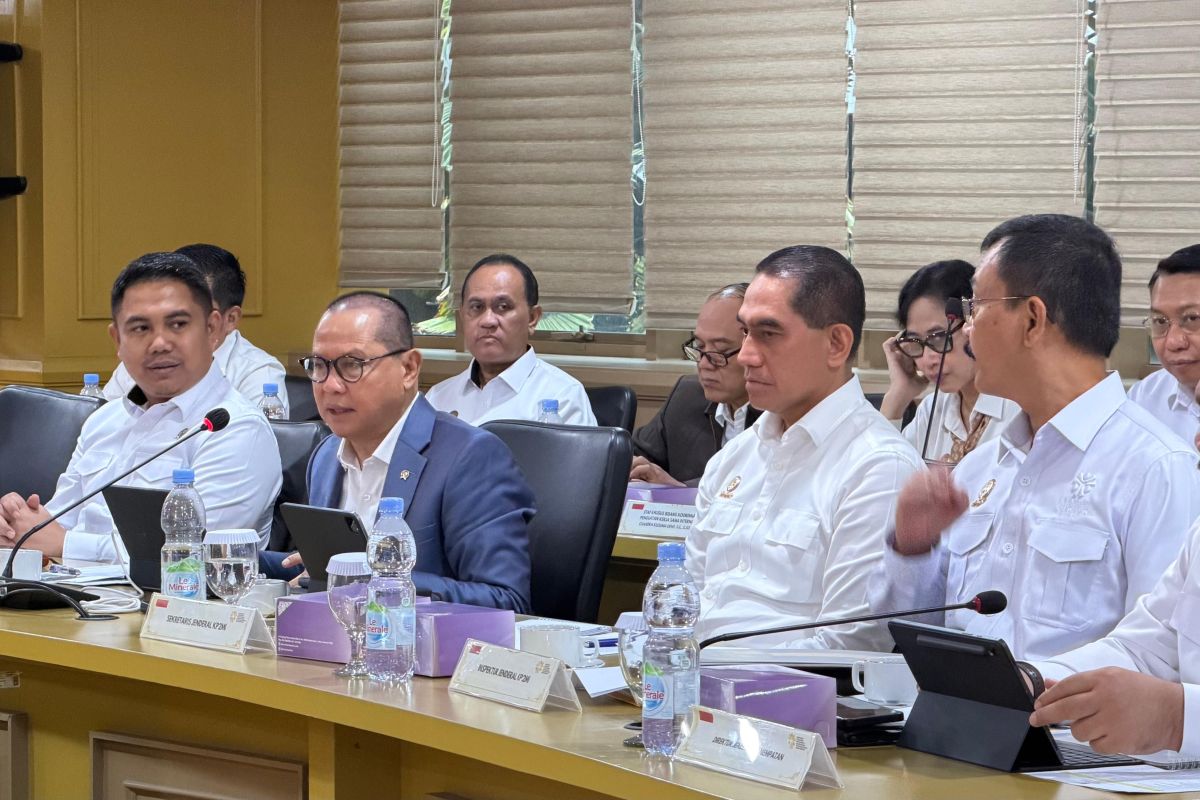
The Ministry of Indonesian Migrant Worker Protection (KP2MI) is targeting the placement of 40,000 prospective Indonesian migrant workers (CPMI) abroad in 2026 through the SMK Go Global programme, an initiative introduced by President Prabowo.
“The SMK Go Global programme will be implemented gradually throughout the 2026–2029 period, with placement targets that are ambitious yet measurable,” stated Minister of Migrant Worker Protection, Mukhtarudin.
He made these remarks during a working meeting with Committee III of the Regional Representative Council (DPD) RI at the Parliament Building in Senayan, Jakarta, on Monday. According to the Minister, the meeting was strategic, focusing on the oversight of Law Number 18 of 2017 regarding the Protection of Indonesian Migrant Workers, as well as the restructuring of the labour placement ecosystem to be safer, more transparent, and accountable.
The meeting was also crucial for discussing four strategic agendas: the implementation of the Indonesian Migrant Worker ‘Quick Win’ programme, the strengthening of the protection ecosystem from upstream to downstream, the implementation of Joint Circular Letters across ministries, and the programme to strengthen the rights of children of former migrant workers.
Regarding the SMK Go Global programme, Mukhtarudin stated that KP2MI targets the placement of 40,000 prospective migrant workers in 2026, with projections to increase sharply to 140,000 in 2027, 180,000 in 2028, and concluding with a target of 140,000 in 2029.
Mukhtarudin described the innovative ‘Quick Win SMK Go Global’ programme as a concrete step to expand overseas job opportunities and reduce national unemployment rates. The programme is specifically designed to support President Prabowo Subiante’s directive to prepare 500,000 ready-to-use workers for the global market.
Beyond SMK Go Global, Mukhtarudin emphasised a sustained commitment to strengthening the transformation of Indonesian migrant worker protection. The approach adopted is now more holistic, covering the phase before departure, the period of employment in the host country, and their return to the homeland.
This comprehensive strategy is implemented through several key pillars, including enhancing the competency and mental readiness of prospective migrant workers, strengthening bilateral placement cooperation with various strategic partner countries, and optimising the role and function of Labour Attachés abroad. Additionally, the government continues to strengthen legal protection services and take firm action against all forms of violations.
“Not only focusing on placement, the government is also encouraging the empowerment of former migrant workers through mature social programme integration,” Mukhtarudin added.
These efforts include social reintegration programmes, rehabilitation, healthy financial literacy, and the development of independent entrepreneurship. Mukhtarudin expressed hope that these programmes would be able to improve the economic welfare of migrant workers and their families, while providing a real contribution to national development.