
Indonesia, Switzerland, and UNDP Launch Second Phase of SLPI
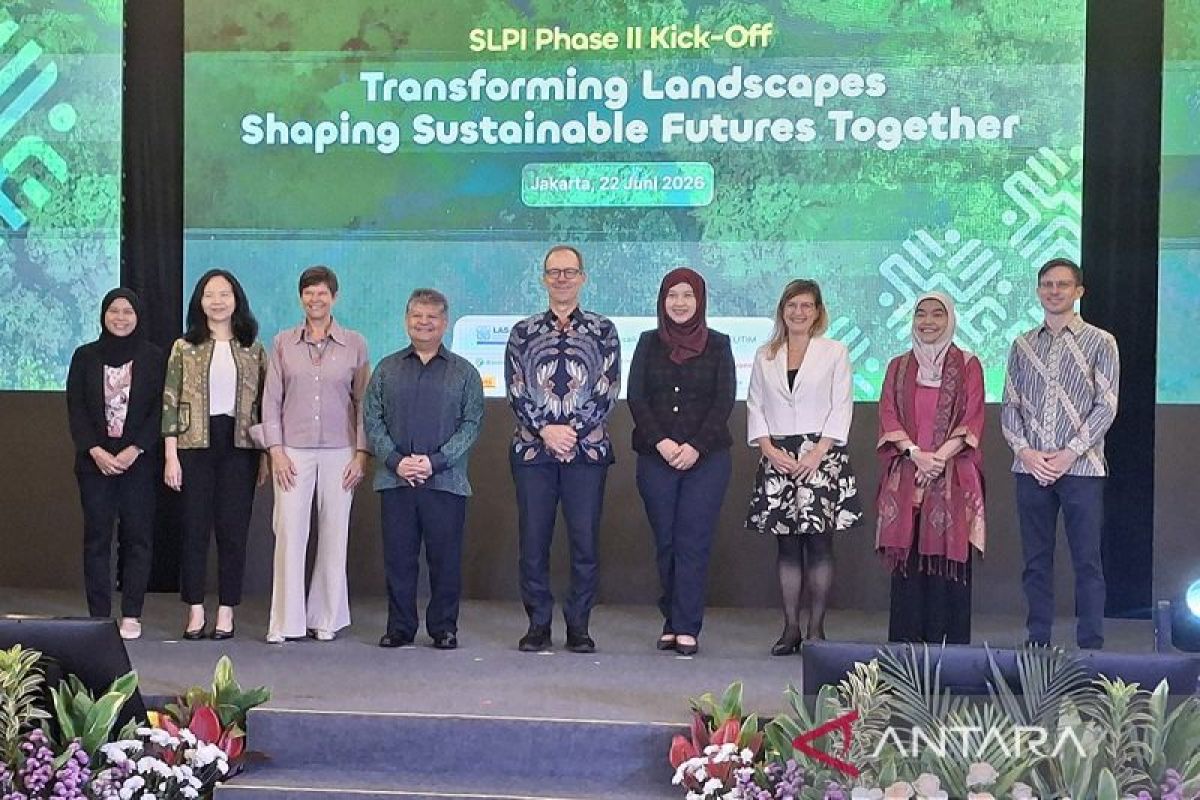
The Government of Indonesia, the Swiss Embassy, and the United Nations Development Programme (UNDP) have launched the second phase of the Sustainable Landscape Program Indonesia (SLPI) to strengthen sustainable landscape governance, rural livelihoods, and resilient commodity value chains in Indonesia. Staf Ahli Menteri Koordinator Bidang Konektivitas dan Sektor Jasa at the Coordinating Ministry for Economic Affairs, Dida Gardera, stated during the launch in Jakarta on Monday that Indonesia’s landscapes are a national asset, and protecting them while advancing community welfare is a national priority. He noted that the second phase of SLPI provides an opportunity for Indonesia to demonstrate sustainable landscape management practices on the ground. Dida added that the programme is expected to strengthen institutional learning, including supporting the institutionalisation of multi-stakeholder forums within government and integrating them into financing and planning systems, thereby enabling more optimal and sustainable landscape management. Swiss Ambassador to Indonesia, Timor-Leste, and ASEAN, Olivier Zehnder, said Switzerland views SLPI as tangible proof that strong partnerships can yield sustainable impact. He noted that the first phase demonstrated that sustainable landscape management not only helps protect forests but also improves community welfare and opens access to better market opportunities. Through the second phase, Switzerland is committed to continuing and expanding these achievements while promoting the integration of proven practices into broader systems. Aretha Aprilia, Head of the Nature and Low Carbon Development Unit at UNDP Indonesia, said sustainable development can only be realised when communities are part of the solution. She explained that through SLPI, UNDP supports a multi-stakeholder platform that brings together farmers, government, and the private sector to build collaboration, share knowledge, and align efforts towards shared goals that benefit both people and the environment. She added that in the second phase, UNDP will strengthen the sustainability of this platform by integrating it into national systems and institutions so that the impact can continue to grow and reach more parties. Building on the achievements of the first phase, which ran from 2023 to 2025 with support from the Swiss State Secretariat for Economic Affairs (SECO), the second phase of SLPI, running from 2026 to 2029, focuses on strengthening approaches tested during the pilot stage into more robust systems. The programme will reinforce partnerships among government, communities, and businesses, while improving monitoring systems and funding to ensure that benefits continue beyond the programme’s implementation period. The second phase also places greater emphasis on national and regional coordination, results-based monitoring, domestic resource mobilisation, and private sector engagement. These priorities follow lessons learned from the first phase and are aimed at strengthening long-term ownership by Indonesian institutions and landscape-level stakeholders.