
Indonesia Struggles to Process Rare 'Treasure' as Other Nations Lock Down Technology
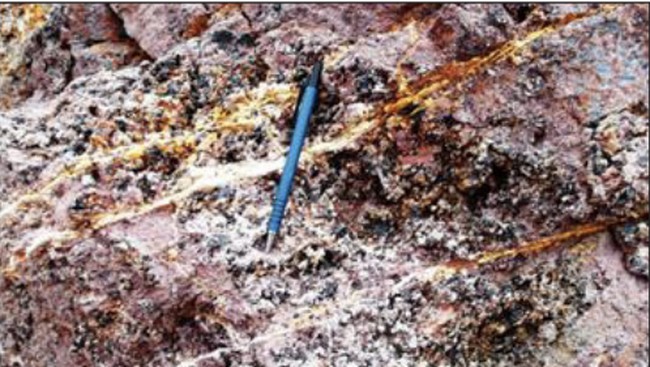
Various countries are currently striving to secure Rare Earth Element (REE) processing technology, given the complexity of separating the 17 elements contained within them. The Mineral Industry Agency (BIM) has identified the difficulty of this separation process as the primary factor behind the tight control of technology by several nations.
Yogi Wibisono Budhi, BIM Deputy for Research and Technology Development, explained that all 17 REE elements belong to the same group in the periodic table, making them extremely difficult to separate. Although Indonesia is recorded as having potential for this rare ‘treasure’, the difficulty of adopting the necessary technology remains a significant challenge.
“This has become one of the pin points, where several countries are attempting to lock down the technologies they have developed,” he stated during the 36th Anniversary of the Indonesian Mining Experts Association (Perhapi) at JIEXPO, as reported on Monday.
Yogi revealed that the technological lockdown by developing nations is not limited to separation technology alone. Restrictions are also being applied to the supply chain and the specific chemicals required for the separation process.
“It is not just the technologies they have developed, but the entire supply chain system and the chemical materials necessary for the separation process within this technology are also being locked down by several nations that have mastered them,” he said.
Global competition in the REE sector has shifted from the ownership of mineral reserves to the mastery of technology and supply chains. This shift is occurring alongside the surging demand for minerals used in clean energy, such as the sixfold increase in demand for electric vehicles and the ninefold increase for onshore wind power compared to gas power plants.
“Therefore, the role of BIM here is to bridge that gap. We want to connect the research results from universities and research institutions, such as BRIN, with the real needs of the industry,” he explained.
Currently, the agency is focusing on accelerating research performance and orchestrating collaboration between universities, the National Research and Innovation Agency (BRIN), and industry players. This includes the process of scaling up from laboratory tests to pilot facilities and, eventually, to commercial industrial scales.
“We are optimistic that Indonesia will not merely be a spectator or a provider of raw materials, but will be able to achieve technological sovereignty and become a key player in the global rare earth element supply chain in the future,” he concluded.