
Indonesia strengthens emergency care pillar for health crises caused by disasters
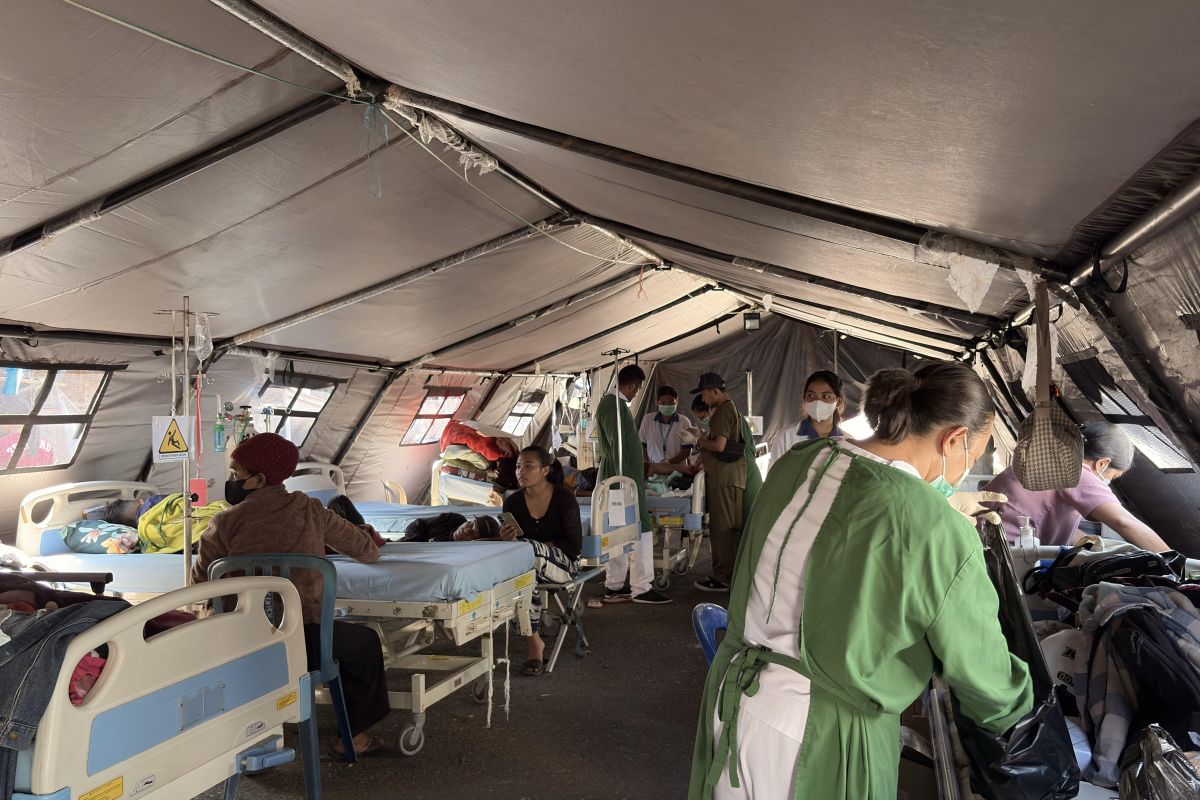
Indonesia ranks second in the world among countries with the highest number of disasters. In response, the country must have WHO-standard EMTs.
Jakarta (ANTARA) - The Ministry of Health is strengthening the standardisation of Emergency Medical Teams (EMT) and improving the governance of emergency departments (IGD) in hospitals, in response to the high frequency of health crises caused by natural disasters and the need for medical services.
“Indonesia ranks second in the world among countries with the most disasters. In response, we must have WHO-standard EMTs, from Level 1 to Level 2, spread geographically and integrated with the accreditation criteria of regional referral hospitals on each island,” said Health Minister Budi Gunadi Sadikin in Jakarta on Tuesday.
As of September 2026, the Ministry of Health recorded that 52 health crises caused by natural disasters had occurred. To ensure preparedness, the ministry has placed 38,418 Health Reserve Personnel (TCK) on standby nationally.
The ministry is also continuing to facilitate WHO-standard EMT certification, as already achieved by the Muhammadiyah MDMC team.
According to the minister, this streamlined approach includes reorganising the residency education system (PPDS) in emergency departments, centralised management of critical beds (a one-gate system), provision of basic facilities such as patient monitors, and a review of INA-CBGs tariffs to make them fairer for emergency medical staff on the front line.
“The target is to reduce the waiting time for emergency patients as far as possible,” said Minister Budi.
This reform effort has received full support from the professional community.
Echoing this, Wishnu Pramudito, Chair of the Indonesian Emergency Physicians Association (PDEI), stressed that the emergency department is a showcase reflecting the quality of Indonesia’s health services.
Nevertheless, he said, this transformation still faces the challenge of specialist doctor ratios. Indonesia currently has only 66 emergency medicine specialists out of an ideal requirement of 1,034.
For this reason, SOE (Symposium On Emergency) 2026 will not only focus on improving the clinical capacity of medical personnel through technical training, such as advanced cardiopulmonary resuscitation (CPR) and rapid stroke assessment, but will also promote public health literacy.
The association is advocating for the importance of basic first aid education for the general public to be included in the school curriculum. This is because the chain of survival is often determined in the first minutes at the scene of an incident.
Source: jawawa.id (https://jawawa.id/newsitem/indonesia-strengthens-emergency-care-pillar-for-health-crises-caused-by-disasters-1788846866)
Originally published by Antara (Indonesian) (https://www.antaranews.com/berita/5730956/ri-perkuat-pilar-gawat-darurat-respons-krisis-kesehatan-akibat-bencana), translated from Indonesian