
Indonesia Strengthens Digital Infrastructure Through Batam–Jakarta Submarine Cable
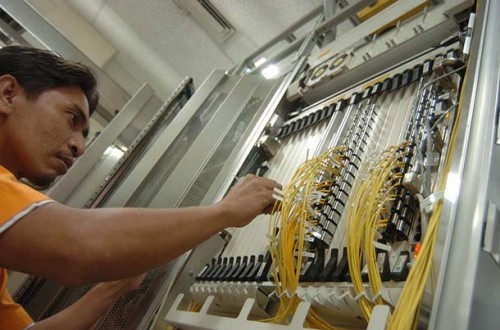
PT NAP Info Lintas Nusa, together with Matrix Networks, has increased the Batam–Jakarta submarine cable’s capacity to support growing data requirements in the era of artificial intelligence (AI), cloud, and digital services. The upgrade was implemented through the deployment of the latest optical technologies on the Matrix Cable System (MCS). Through the upgrade, the Batam–Jakarta route can now deliver data transmission capacity of up to 1 terabit per second per channel on the 1,055-kilometre submarine cable. This implementation makes Matrix NAP Info one of the first operators in Southeast Asia to operate the latest generation of coherent optical technology on an active submarine cable system. The Director of Matrix NAP Info, Omar Syarif Nasution, said the capacity enhancement is not merely about adding bandwidth, but part of strengthening Indonesia’s position in the global digital connectivity landscape. “By implementing the most advanced coherent optical technology currently available, we ensure the sustainability and future readiness of Indonesia’s international connectivity backbone, and ensure our customers have access to the bandwidth needed to compete in the AI and cloud era,” Omar said in a statement on Tuesday (19 May 2026). He said the capacity upgrade was achieved by optimising the existing submarine cable infrastructure without building a new network. The move is regarded as more efficient while supporting the development of a more sustainable digital infrastructure. Matrix Cable System has long been one of Indonesia’s important digital connectivity routes linking Jakarta with Batam and Singapore as a hub for internet and global cloud services. Strengthening the Batam–Jakarta corridor is also expected to bolster various digital ecosystems connected to data centre services, internet exchange, cloud, and digital content distribution. Alex Wong, Regional Managing Director ASEAN at Ciena, said Indonesia is now developing into one of the strategic digital connectivity hubs in the Asia-Pacific region. “Indonesia is rapidly becoming one of the most strategic connectivity hubs in the Asia-Pacific, driven by rapid cloud adoption, AI workloads, and digital services,” he said. He noted that upgrading submarine cable capacity is important to support a surge in data traffic in the region. Moreover, the demand for digital services in Indonesia continues to rise in line with the growth of the national digital economy. In addition to increasing network capacity, the deployment of the new technology is claimed to improve spectrum efficiency and optimise existing submarine cable infrastructure. Thus, operators can increase service capacity without the need to construct new cables in the near term. Strengthening digital infrastructure is seen as a key factor in advancing Indonesia’s digital economy transformation, particularly amid rising demand for AI services, data centres, cloud computing, and high-speed internet connectivity across various industrial sectors.