
Indonesia Strengthens Alliance of Palm Oil Producing Countries
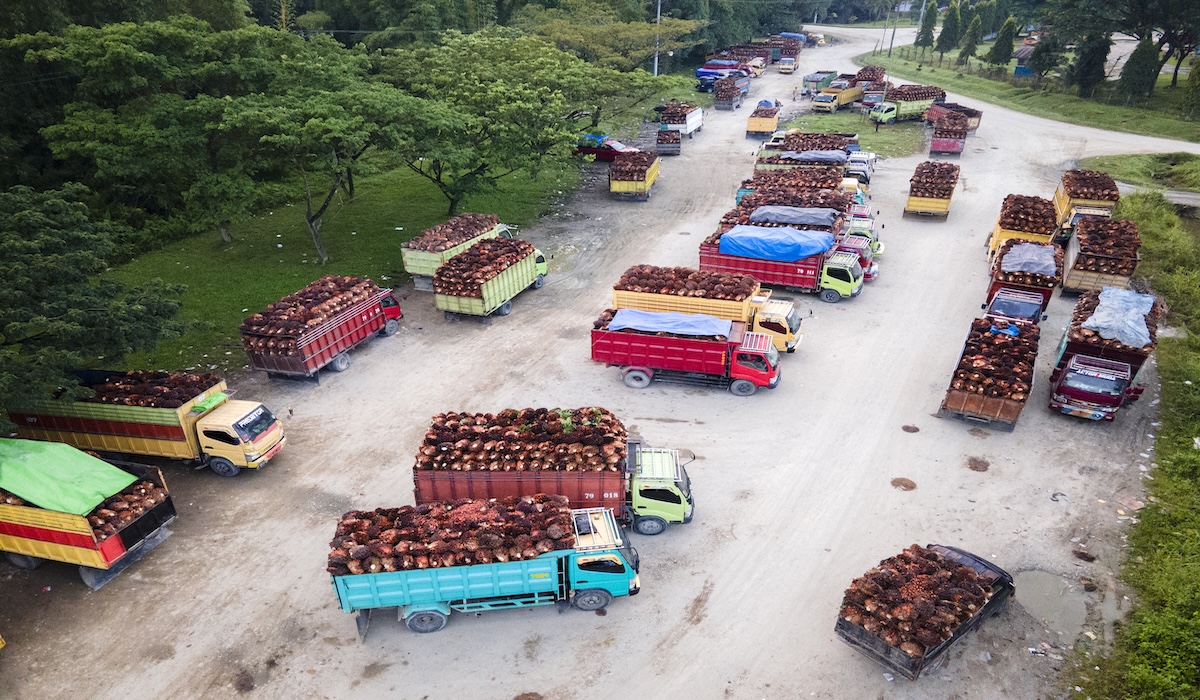
Indonesia has a strategic interest in strengthening cooperation with palm oil producing countries to improve its bargaining position, maintain market access, and confront various trade barriers in the global market.
Saleh Husin, Deputy Chairman for Industry at the Indonesian Chamber of Commerce and Industry (KADIN), said that strengthening alliances with fellow palm oil producing nations is a strategic step for Indonesia, given that palm oil is one of the country’s main foreign exchange earners.
“Indonesia needs to build alliances with other producing countries to strengthen its bargaining position, maintain market access, confront trade barriers, and preserve the stability of the global palm oil market,” he said in Jakarta on Wednesday (26/8).
He proposed that Indonesia optimise the role of the Council of Palm Oil Producing Countries (CPOPC) as a platform to voice shared interests while strengthening the position of palm oil in global trade.
He expressed hope that a stronger CPOPC role could produce joint action across various aspects, from trade diplomacy and reinforcing sustainability principles to palm oil promotion, market development, and research and innovation.
“This is important because Indonesia’s palm oil exports are worth more than US$20 billion per year and make a significant contribution to national foreign exchange earnings,” he said.
Saleh Husin believes the government, through the Plantation Fund Management Agency (BPDP), has been quite effective in strengthening cooperation with palm oil producing countries at the global level.
Nevertheless, he encouraged the BPDP to enhance its role as a catalyst for international cooperation by optimising resources derived from the palm oil sector to support various strategic agendas.
“In this way, Indonesia can strengthen its bargaining position in global palm oil governance and secure national foreign exchange earnings over the long term,” he said.
Meanwhile, CPOPC Deputy Secretary-General Musdhalifah Machmud confirmed that the organisation continues to strengthen advocacy for the palm oil sector at the global level while voicing various strategic issues relating to the interests of farmers and palm oil industry players.
She said CPOPC also aims to create stable market access certainty for member countries and improve the global public’s positive perception of palm oil. These efforts are carried out through various forms of cooperation and high-level discussion forums involving government representatives, institutions, and organisations from various sectors.
“In addition, CPOPC continues to advocate for the implementation of sustainability systems at the international level, both to encourage palm oil producing countries and to increase consumer countries’ acceptance of sustainability standards already implemented in producing nations,” she said.
Musdhalifah Machmud added that CPOPC also continues to educate and expand the dissemination of information about the benefits of palm oil based on science, facts, and data.
Furthermore, CPOPC encourages the involvement of the younger generation, particularly those with a background in the palm oil sector, to help spread positive information about palm oil through the Young Elaeis Ambassadors programme. Since 2023, CPOPC has worked with 23 young people from various palm oil producing and consuming countries as part of the programme.
“CPOPC recognises that young people today have strong influence through social media. Young people also have a high level of interest in social and progressive issues, including environmental matters,” she concluded.