
Indonesia Still Reliant on Australian Cattle and Buffalo Imports, IPB Expert Suggests Diversification
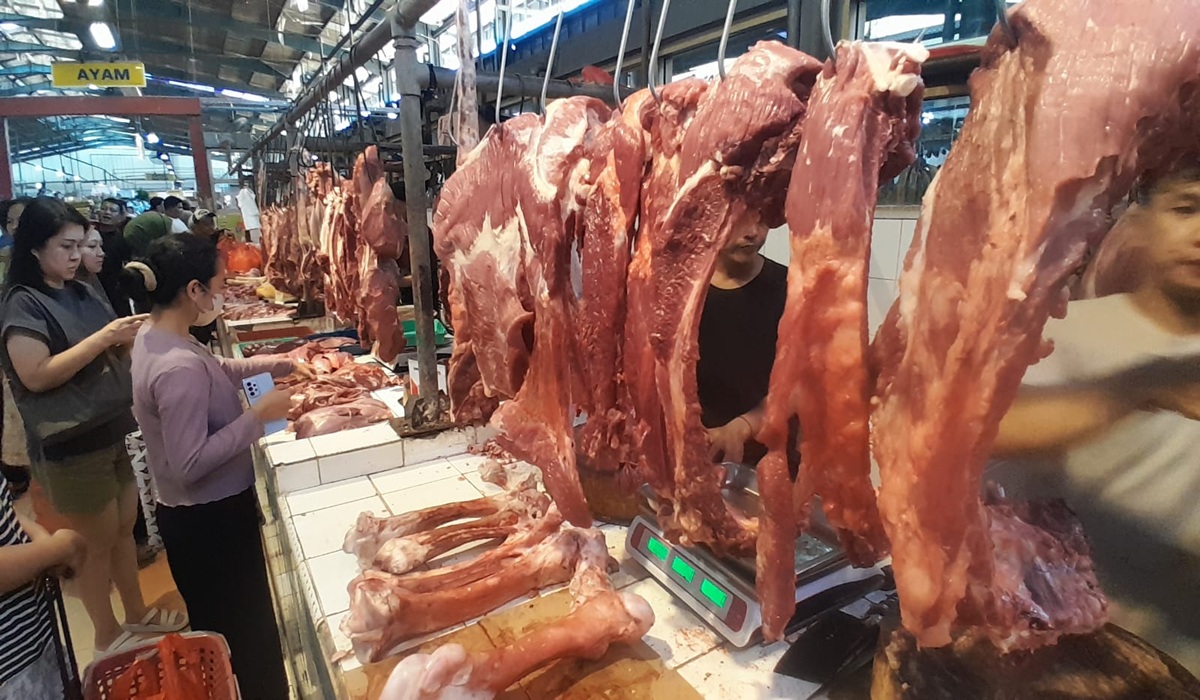
Indonesia still faces a major challenge in meeting its needs for animal protein and raw materials for the leather industry independently. Professor of Ecological Genetics at IPB University, Prof Ronny Rachman Noor, revealed that dependence on imports of live cattle, buffalo and cattle hides from Australia remains very high.
According to Prof Ronny, the imbalance between domestic production and market demand is the main trigger. The local cattle population, such as Bali cattle and Ongole Crossbreed (PO) cattle, is assessed as having slow growth with productivity levels that remain low. In addition, distribution problems pose a serious constraint.
“The current cattle population is still concentrated in East Nusa Tenggara, Sulawesi and Central Java. Meanwhile, the highest demand points are in Jakarta and West Java. This uneven distribution widens the gap in needs that must be filled through imports,” said Prof Ronny.
Demand for beef and beef-derived products is predicted to continue to soar. This is driven by the growth of the middle class, the momentum of the hotel and restaurant industry, and the implementation of national strategic programmes such as the Free Nutritious Meals (MBG) programme.
Australia has become the main partner due to its geographical advantages and cost efficiency. The price of live cattle from the Land Down Under stands at around US$4, or roughly Rp71,000, per kilogram of live weight. In addition, the quality of livestock such as Brahman Cross cattle and a well-organised export system make Australia’s position difficult to replace in the short term.
The following is data on the projection and realisation of livestock commodity imports from Australia based on Prof Ronny’s presentation:
Despite being logistically advantageous, Prof Ronny warned of the risk of economic vulnerability. Dependence on one main source makes Indonesia highly sensitive to fluctuations in the Rupiah exchange rate against the Australian Dollar (AUD). A depreciation of the Rupiah would automatically increase the cost of national food procurement.
“This dependence poses a risk to supply stability and politics. Indonesia needs to broaden its import sources to other countries such as India, Brazil, the United States and New Zealand to safeguard food security and price stability,” he asserted.
As a long-term step, he recommends strengthening domestic industries in the feedlot (fattening), breeding and leather processing sectors. In addition, the government and industry players are advised to manage exchange rate risk through hedging instruments and long-term contracts to preserve national economic sovereignty amid global uncertainty.
Source: jawawa.id (https://jawawa.id/newsitem/indonesia-still-reliant-on-australian-cattle-and-buffalo-imports-ipb-expert-suggests-diversification-1783612277)
Originally published by Media Indonesia (https://mediaindonesia.com/humaniora/909362/indonesia-masih-bergantung-impor-sapi-dan-kerbau-australia-pakar-ipb-sarankan-diversifikasi), translated from Indonesian