
Indonesia, Singapore Clashing over Trafficked Baby Adoptions
Indonesia, Singapore Clashing over Trafficked Baby Adoptions
Reporter
September 7, 2026 | 07:59 pm
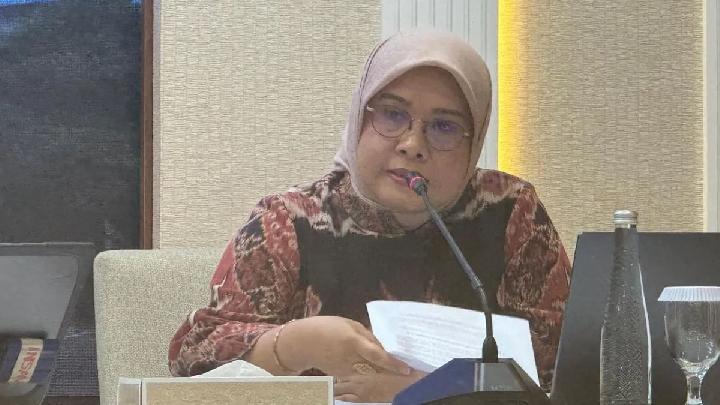
TEMPO.CO, Jakarta - The Ministry of Foreign Affairs is working to reconcile legal differences between Indonesia and Singapore regarding the status of 17 babies who fell victim to human trafficking through illegal adoption networks. Director for the Protection of Indonesian Citizens Heni Hamidah mentioned differences in how both nations approach these cases.
From Indonesia’s perspective, the infants are victims of human trafficking and thus require a protection-focused response. “Meanwhile, Singaporean authorities apply their own legal framework to evaluate child adoptions under domestic regulations,” Heni told Tempo on Sunday, August 6, 2026.
Under Indonesian law, the infants were formally recognized as victims of transnational human trafficking following a ruling by the Bandung District Court on Tuesday, July 21, 2026. A panel of judges sentenced 19 members of the syndicate that trafficked 34 infants to Singapore and several regions across Indonesia to terms ranging from three to seven years in prison.
Meanwhile, Singaporean authorities continue processing the adoptions through domestic civil procedures. Heni revealed that 10 of the 17 children in Singapore have already been fully adopted by local residents.
Heni explained that these differing perspectives prompted Indonesia to advocate for a victim-centered approach, while Singapore proceeds under its national adoption laws.
Diplomatic Push for Repatriation
The Foreign Affairs Ministry stated that while respecting Singapore’s legal system, it will continue to prioritize diplomatic efforts. These include sharing information, aligning case facts, and fostering inter-agency coordination between both countries.
Furthermore, the Indonesian Embassy in Singapore delivered a diplomatic note requesting local authorities to halt adoption proceedings for the remaining seven children and facilitate their repatriation to Indonesia. “The Indonesian Embassy in Singapore has sent a diplomatic note to cancel the adoptions and repatriate the babies,” she said.
Indonesia is also leveraging shared regional and international commitments, such as the ASEAN Convention Against Trafficking in Persons, Especially Women and Children (ACTIP) and the Palermo Protocol. These frameworks serve to address cross-border human trafficking cases while safeguarding the best interests of the children.
Heni stressed that all diplomatic discussions aim to find common ground without conflicting either country’s laws. The government’s primary focus remains upholding and protecting the rights of Indonesian children. “The goal is to reach a resolution that respects each nation’s legal processes based on the principle of child protection,” Heni said.
KPAI Decries Lenient Sentences
Meanwhile, Chair of the Indonesian Child Protection Commission (KPAI) Ai Maryati Solihah criticized the court sentences as overly lenient and failing to prioritize the child’s best interests. “We are deeply concerned. Law enforcement in this case failed to maximize the best interests of the child, particularly regarding deterrence,” Ai said by phone on Wednesday, July 22, 2026.
According to Ai, both Law No. 21/2007 on the Eradication of Human Trafficking and the Child Protection Law mandate maximum sentences of up to 15 years in prison for perpetrators. She noted that this maximum penalty underscores the gravity of child trafficking under the law.
She stressed that the sentences sought by prosecutors fell short of delivering true justice. “Handing down sentences of 7 years, and 3 to 6 years, fails to show a commitment to law enforcement or create a deterrent effect,” Ai said.
She emphasized that baby trafficking is far more complex than other forms of human trafficking, as it strips victims of their identity and dignity for life. She noted that the crime severely compromises a child’s future. “Imagine these children losing their clear identity and being stripped of basic care from birth,” she explained.
Ai affirmed that her agency will continuously oversee the case, including ensuring that restitution obligations to the victims are fulfilled. She noted that restitution is explicitly guaranteed under the Human Trafficking Law, the Child Protection Law, and Government Regulation No. 43/2017 on restitution implementation for child victims.
The KPAI also urged law enforcement to probe deeper into other involved parties, including overseas receiving networks and bureaucratic actors who facilitated falsified civil documents for the victims. “Do not stop here; investigate thoroughly until the root causes are uncovered,” she said.
Read: Malaysia’s King Approves Haze Emergency in Serian, Sarawak
Click here to get the latest news updates from Tempo on Google News