
Indonesia Showcases Kamikaze Drone Control Troops
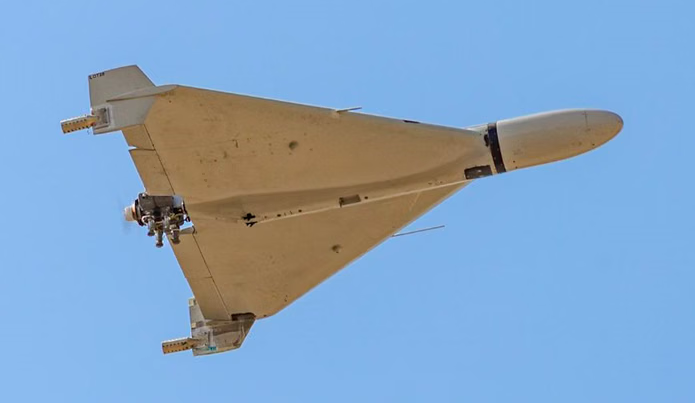
The Ministry of Defence (Kemhan) showcased a force with specialised expertise in Kamikaze drone control during the Reserve Component (Komcad) ASN parade at Halim Perdanakusuma Air Force Base, East Jakarta, on Friday.
During the exhibition, the drone control unit appeared last, following the Indonesian Air Force’s Rapid Reaction Corps (Korpasgat).
The Head of the Defence Information Bureau of the Ministry of Defence, Brigadier General TNI Rico Ricardo Sirait, confirmed to ANTARA in Jakarta that these troops do not belong to a new special unit.
“What was displayed in the parade is not a new unit, but rather organic TNI personnel from the land, sea, and air branches who have received education and training in drone systems, both domestically and abroad,” said Rico.
Rico explained that they possess the capability to operate and develop Kamikaze drones for defence mission purposes. In addition to operating and developing these drones, he noted, these personnel also serve as instructors to train other personnel in the field of Kamikaze drone operation.
Rico stated that Kamikaze drone personnel are currently distributed across all branches and units of the TNI, with the expectation that all units will possess equal strength in drone control capabilities.
“Drone capability is becoming one of the focus areas for TNI development, in line with the evolving character of modern warfare, which increasingly relies on unmanned technology,” Rico explained.
Although the drone control force appeared alongside the Reserve Component, which is under the Ministry of Defence, Rico emphasised that the drone force does not operate under the Ministry of Defence.
“There is no specific Kamikaze Drone unit under the Ministry of Defence,” he asserted. “The development of combat drone capabilities in the future is still being studied and prepared by the TNI in accordance with national defence needs,” Rico added.
Kamikaze drones are unmanned aerial vehicles carrying explosives designed for single use. In practice, these drones are controlled by operators from a certain distance to patrol and search for targets, before crashing into them to trigger an explosion.