
Indonesia Shares Peatland Management Experience at GPI Forum in Peru
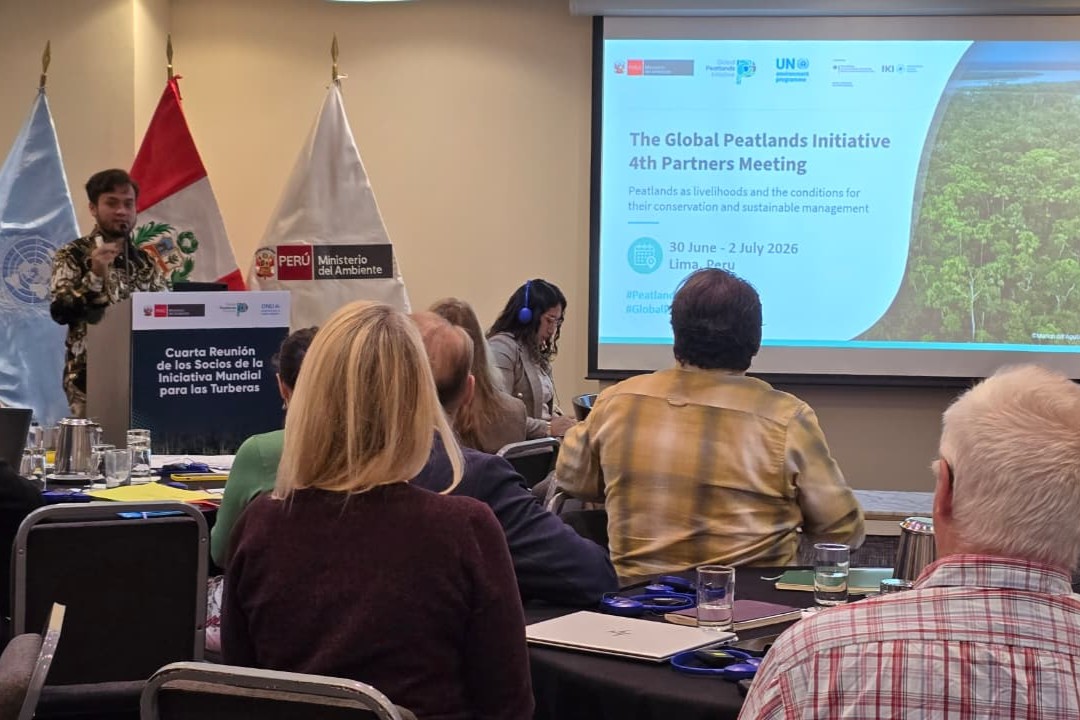
Indonesia presented strategic lessons and experiences in peatland ecosystem management on the third day of the Global Peatlands Initiative (GPI) technical meeting in Lima, Peru, on Thursday (2/7). The main focus of the presentation included hydrological approaches, carbon monitoring, greenhouse gas (GHG) emission control, and data-based monitoring systems.
Senior Policy Analyst at the Ministry of Forestry, Agus Justianto, stated in his presentation that protecting peatland ecosystems is a crucial pillar of low-carbon development. This aligns with Indonesia’s Nationally Determined Contribution (NDC) target to reduce global emissions.
"Peatland management is not only about protecting wetlands, but also about how Indonesia reduces emissions, maintains hydrological functions, protects biodiversity, and ensures sustainable utilisation," Agus said.
He detailed that Indonesia’s framework includes protecting areas that are still in good condition, preventing cover damage, hydrological restoration, and ecosystem rehabilitation. This management is carried out in an integrated manner at the Peat Hydrological Unit (KHG) scale to maintain water balance and control emissions optimally.
"The ultimate goal is an optimal greenhouse gas balance. Management must ensure groundwater levels are maintained, avoid excessive drainage, prevent the use of fire, and select commodities suitable for peat characteristics," he added.
Indonesia is also strengthening its research aspects by involving 17 universities and 10 research institutions. This collaboration has produced innovations in monitoring systems, water management, paludiculture, and carbon calculations, which are tested through field demonstrations as learning centres.
In the same session, Bambang Supriyanto explained the importance of a hydrological mapping system based on peat dome depth. This data forms the basis for determining priority restoration locations. KHGs are divided into interconnected sub-areas, ranging from dome zones (conservation), buffer zones, to cultivation zones.
"Hydrological mapping is an important foundation because peat restoration cannot be done uniformly. Each location has different water characteristics, degradation levels, and fire histories," Bambang explained.
This data-based approach helps the government determine appropriate interventions. Bambang stressed that the involvement of local communities is key to the sustainability of restoration results. In addition, Indonesia has implemented a digital Monitoring, Reporting, and Verification (MRV) system. This system includes real-time water level monitoring, a fire danger rating system, and transparent field monitoring tools.
Through this international forum, Indonesia affirmed that successful peatland management requires synergy between policy, science, technology, and real action at the site level. This experience is expected to serve as a reference for other tropical peatland countries in strengthening global climate action.