
Indonesia Sets Bioethanol Market Index Price for July 2026 Amid Push for Sugarcane-Based Fuel
The Ministry of Energy and Mineral Resources has officially set the Market Index Price for bioethanol, a type of plant-based fuel, at Rp10,933 per litre for July 2026. The price determination comes amid government efforts to expand the use of bioethanol as a blend in petrol. According to data from the Directorate General of New, Renewable Energy and Energy Conservation, the price calculation uses a formula based on the average price of molasses over three months multiplied by 4.125 kg per litre, plus US$0.25 per litre. The average molasses price used for the calculation period from 15 December 2025 to 14 June 2026 was recorded at Rp1,568 per kg, with an exchange rate conversion using the Bank Indonesia middle rate averaging Rp17,853 per US dollar.
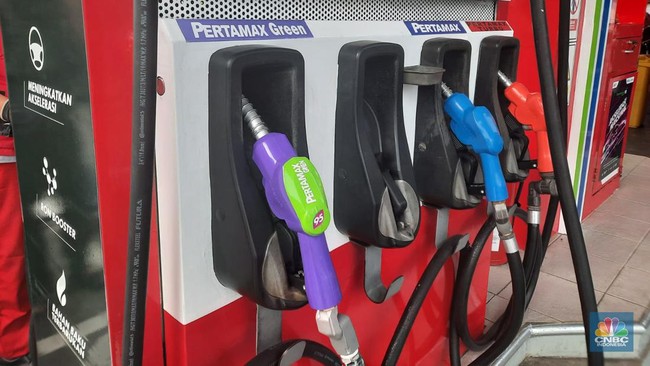
Indonesia currently has a petrol product blended with 5 per cent bioethanol, sold by PT Pertamina Patra Niaga under the brand Pertamax Green 95, though this is not yet a national mandate. The government is targeting a mandatory national bioethanol blending programme for petrol, eventually reaching 20 per cent. Energy Minister Bahlil Lahadalia aims to start the mandatory E20 blending in 2028 as a measure to reduce dependence on imported energy and strengthen national energy security. He stated that the plan was inspired by the success of the biodiesel programme and lessons learned from countries like Brazil, where ethanol blending has reached E30 and even E100 in some regions.
Bioethanol can be produced from various feedstocks such as maize, sugarcane, and cassava, which are abundant in Indonesia, and is expected to provide significant economic impact by creating jobs and increasing rural incomes. To meet initial demand, the government will open the option of importing bioethanol temporarily while boosting domestic production. Bahlil estimated that implementing E20 in 2028 will require significant volumes of bioethanol, noting that current petrol imports stand at around 20 million kilolitres per year. By replacing a portion of petrol with bioethanol, imports could be substantially reduced.