
Indonesia Seeks to Strengthen National and ASEAN Vaccine Ecosystem for Pandemic Preparedness
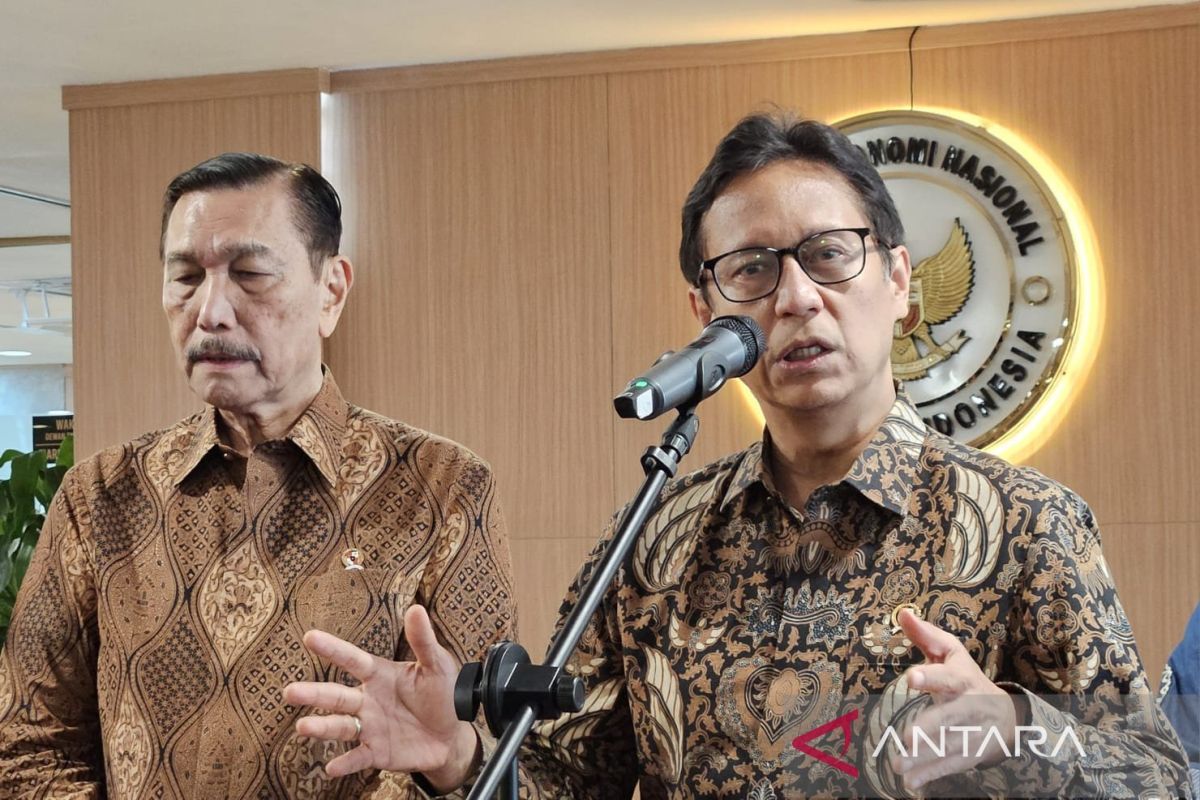
Jakarta (ANTARA) - The Government is holding a high-level forum as an effort to strengthen the resilience and independence of the medicine, vaccine, and diagnostic ecosystem at both the national and Southeast Asian levels to ensure preparedness for future pandemics.
Minister of Health Budi Gunadi Sadikin stated that as a country with a population of approximately 280 million, a strong health ecosystem is essential so that Indonesia can remain resilient during lockdowns. Furthermore, this health resilience should be shared with neighbouring highly populated countries, such as Malaysia and Thailand, to enable them to protect their citizens during similar crises.
“Therefore, this technology should not be monopolised, especially in the health sector; rather, it must be shared. Because they have the right to live, and if a pandemic occurs, each country will undoubtedly prioritise saving its own people over others,” said Budi following the High-Level Forum on Building Regional and Global Health Resilience in ASEAN: Vaccine Manufacturing and Pandemic Preparedness and Response in Jakarta on Wednesday.
In the future, he added, these large nations could assist smaller countries through an independent health resilience system.
To build such independence, he called upon the National Economic Council (DEN) to help promote downstreaming (hilirisasi) so that all products purchased through healthcare spending can be manufactured in Indonesia, thereby ensuring that healthcare expenditure contributes to the Gross Domestic Product (GDP) within the health sector.
“I have urged the DEN; from the perspective of healthcare spending, historically we have been above 10 per cent annually. In fact, last year it was 16 per cent. However, all this spending has not yet translated into economic growth in the health sector because the majority is still imported,” he said.
Due to these imports, he noted, other countries are the ones benefiting from the GDP. Budi cited paracetamol, which is derived from benzene. While benzene is produced in Indonesia, there is currently no downstreaming process that allows benzene to be converted into cumene, then into phenol, and finally into paracetamol.
Another example involves blood products such as plasma, albumin, immunoglobulin, Factor VIII, and Factor IX. Although Indonesia possesses significant potential for blood stocks due to its large population, Budi noted that Indonesia still imports all of these components.
He stated that if this downstreaming is achieved, it could assist in the progress towards reaching the 8 per cent economic growth target aspired to by President Prabowo Subianto.
On the same occasion, the Chairman of the National Economic Council (DEN), Luhut Binsar Pandjaitan, stated that strengthening the health sector would result in economic growth benefits that are directly felt by the public.
Source: jawawa.id (https://jawawa.id/newsitem/indonesia-seeks-to-strengthen-national-and-asean-vaccine-ecosystem-for-pandemic-preparedness-1782280488)
Originally published by Antara (Indonesian) (https://www.antaranews.com/berita/5620737/ri-upaya-kuatkan-ekosistem-vaksin-nasional-asean-untuk-hadapi-pandemi), translated from Indonesian