
Indonesia Secures Rp539 Billion Japanese Investment to Build Plasma-Derived Medicine Ecosystem
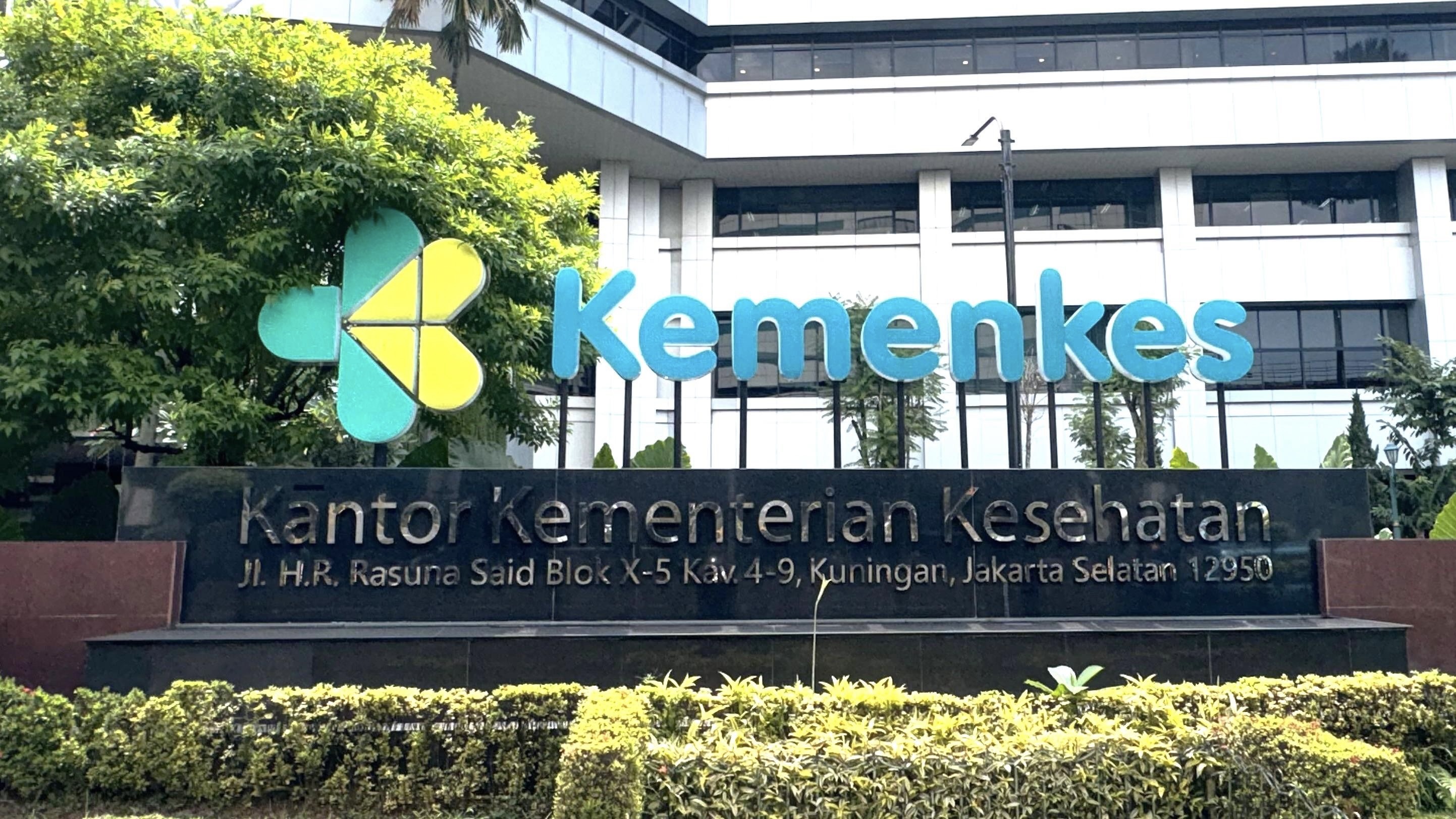
The Government of the Republic of Indonesia is preparing to build an ecosystem for Plasma-Derived Pharmaceutical Products (PODP). The target is for a number of plasma banks to begin official operations in the country by 2027.
According to the Indonesian Ministry of Health website on Tuesday (14 July 2026), the government is cooperating with a Japanese company to execute the project. The partner is Takeda, a global biopharmaceutical company that operates the BioLife plasma bank network.
The Ministry of Health signed the cooperation agreement with Takeda in Jakarta on Monday (13 July 2026). Under the agreement, the Indonesian government is granting fractionation authorisation to build the first end-to-end plasma ecosystem in Southeast Asia.
Indonesian Health Minister Budi Gunadi Sadikin said the strategic partnership is a concrete step by the government, particularly to guarantee self-sufficiency and sustainable access to essential therapies for all levels of society.
“Through close cooperation with trusted global partners such as Takeda, Indonesia can accelerate the development of a more resilient healthcare service system. Indonesia is now ready to face the future,” said Minister Budi.
In the initial two-year phase of development, Takeda is injecting funds of up to USD30 million, equivalent to around Rp539 billion. The funds are to meet the target of bringing plasma banks within the BioLife network into operation in Indonesia by 2027.
Budi Gunadi explained that Takeda’s global manufacturing network will carry out fractionation while Indonesia’s manufacturing facilities are still in the feasibility assessment stage. Fractionation is the process of separating a mixture into smaller parts or components.
Nevertheless, the Health Minister confirmed that the Japanese company has committed to prioritising domestic needs. Takeda is even reviewing regulatory requirements to build a state-of-the-art plasma-derived therapy factory in Indonesia.
Minister Budi said the cooperation with Takeda to build the plasma ecosystem in Indonesia is driven by rising global demand for PODP. Moreover, Indonesia and most Southeast Asian countries still face barriers to therapy access due to low diagnosis rates and limited public awareness of medical conditions requiring PODP.
Meanwhile, Ramy Riad, President of Plasma-Derived Therapies at Takeda, welcomed the expansion of the strategic collaboration. He affirmed the company’s commitment to using its global plasma science expertise to support Indonesia’s long-term healthcare goals.
Ramy Riad added that the development of the PODP ecosystem could create new high-skilled jobs, particularly for healthcare workers and local laboratory technicians in the country.
The cooperation between the Indonesian government and Takeda involves not only the Ministry of Health, but also the Coordinating Ministry for Economic Affairs and the Ministry of Investment and Downstream Industry/Investment Coordinating Agency (Kemeninveshil/BKPM).
Minister of Investment and Head of BKPM Rosan Roeslani described the collaboration as a long-term investment bringing opportunities for technology transfer, including the development of national human resources and job creation.
“This partnership not only strengthens the healthcare service ecosystem, but also supports the ambition of making Indonesia a regional hub for health innovation and advanced pharmaceutical manufacturing,” he said.
Source: jawawa.id (https://jawawa.id/newsitem/indonesia-secures-rp539-billion-japanese-investment-to-build-plasma-derived-medicine-ecosystem-1784019029)
Originally published by afu.id (https://afu.id/nasional/dapat-suntikan-rp539-miliar-dari-perusahaan-jepang-indonesia-bangun-ekosistem-produk-obat-derivat-plasma), translated from Indonesian