
Indonesia Remains World's Second-Largest Coconut Oil Exporter Amid Global Pressures
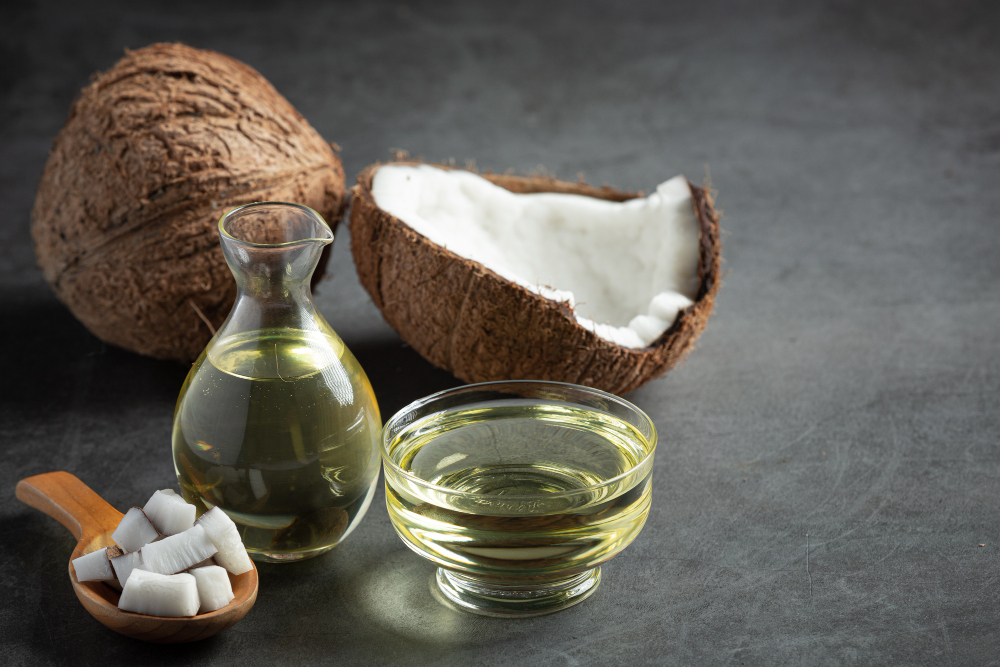
The Indonesia Eximbank (IEB) Institute notes that Indonesia’s coconut oil exports remain robust amid global supply pressures and production fluctuations. The IEB Institute reports Indonesia remains the world’s second-largest exporter of coconut oil, both for crude (HS 1513.11) and refined (HS 1513.19) varieties, with a global market share of approximately 22% for each commodity type in 2025.
IEB Institute Chief Rini Satriani stated that while export volumes decreased, the value of Indonesia’s coconut oil exports continued to grow. Export volumes fell by approximately 18% in January-December 2025, but the cumulative export value rose by over 43%.
“Rise in export value was primarily driven by price surges due to limited raw material and domestic supply, exacerbated by El Niño, which led some plants to temporarily reduce production capacity, thereby increasing pressure on export market coconut oil prices,” Rini explained in a statement on Saturday (30 May).
Rini noted that in 2025, Indonesia ranked second globally in coconut oil exports with a 22% market share, behind the Philippines as the top exporter at 49%, and ahead of the Netherlands in third place with 10%.
Amid this competition, the export competitiveness of refined coconut oil remains resilient. Indonesia benefits from a highly diversified export market, with over 90 destination countries for coconut oil.
This reduces reliance on one or two key markets, while enhancing bargaining power with destination countries. Major export markets include the Netherlands, China, the Philippines, Malaysia, and the United States, with opportunities for further penetration into Europe and non-traditional regions.
Global demand for refined coconut oil continues to rise due to health-conscious lifestyles and the use of natural products in food, cosmetics, and healthcare sectors.
“As one of the world’s largest coconut producers, Indonesia has the potential to penetrate markets focused on sustainable products, such as the European Union,” Rini said.
The IEB Institute projects a moderate 9% growth in coconut oil export value in 2026, influenced by recovery by competitors such as the Philippines and a gradual return of coconut prices to normal levels. Rini stated Indonesia needs the right strategies to strengthen its global market position.
Despite relatively stable export prospects, she noted the main challenge for Indonesia’s coconut oil sector lies in raw material supply resilience. National coconut production faces pressures from ageing trees, low productivity among smallholders, extreme weather impacts, and rising exports of whole coconuts abroad.
“Replanting coconut plantations and strengthening downstream processing are key strategies to sustain the national coconut oil industry. The government has initiated replanting efforts covering approximately 44,900 hectares in 2024, with plans to expand the replanting program to hundreds of thousands of hectares by 2026-2027,” Rini said.
“These efforts aim to boost coconut productivity and secure raw material supplies for domestic processing industries,” she added.
In terms of downstream processing, strengthening value-added coconut oil industries is a key step to enhance competitiveness, broaden domestic raw material use, and drive higher-value coconut exports. With policy support, including replanting and processing capacity upgrades, Indonesia has significant potential to maintain its position as a major player in the global coconut oil market.
“Replanting and downstream processing are strategies to ensure future raw material supply continuity for coconut oil. These efforts are expected to reinforce coconut oil’s role as a sustainable, promising commodity capable of boosting national export performance,” Rini concluded.