
Indonesia Receives Five Papuan Artefacts from the US, Three More Being Processed
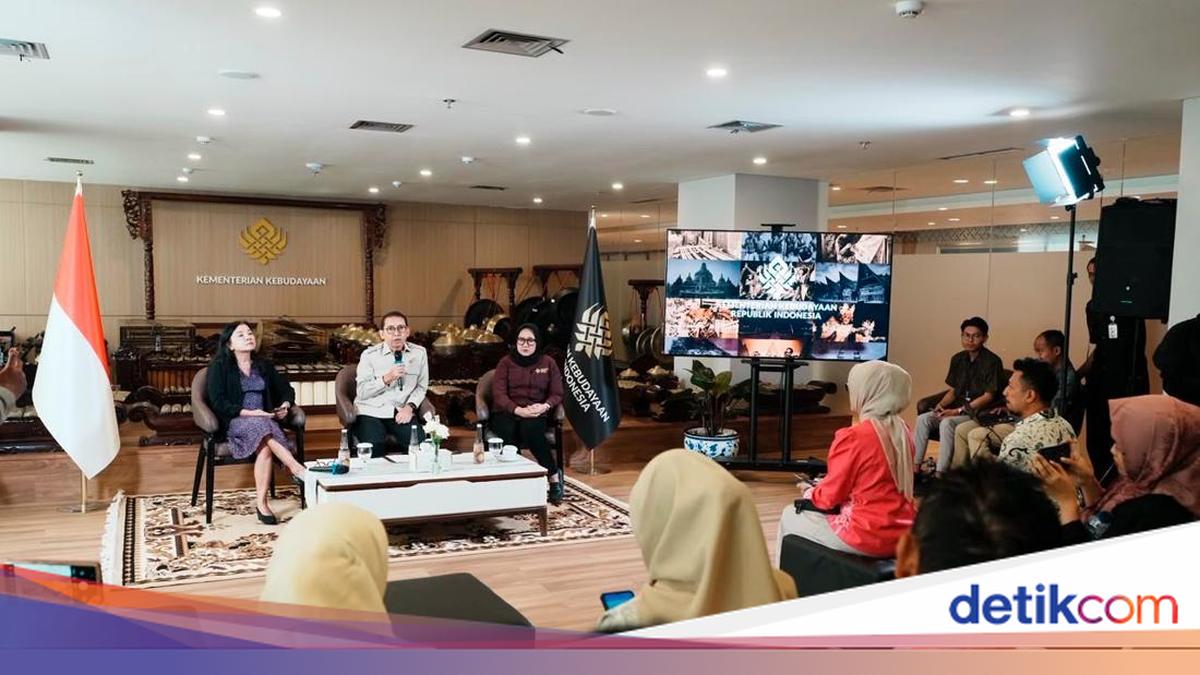
The Ministry of Culture has officially received eight Papuan artefacts from the United States, including carved human skulls, an adze from Lake Sentani, a decorated wooden club from the Asmat tribe, and several stone axes. Minister of Culture Fadli Zon announced the repatriation during a press conference at the Ministry of Culture’s office in Senayan, Jakarta. As part of a priority programme, the Ministry of Culture continues to pursue the return of cultural heritage objects from abroad through security cooperation with international agencies, particularly the FBI. President Prabowo Subianto, accompanied by Minister Fadli Zon, previously received the handover of cultural artefacts from FBI Director Kash Patel. Five cultural objects that have been handed over include: Item 775 - A carved human skull; Item 1037 - A perforated green stone with a cord labelled ‘S Dani Tribe, Je, Stone, West Papua, New Guinea’; Item 878 - A carved stone object inscribed ‘Dani Tribe’; Item 832 - A stone axe head labelled ‘Hollandia New Guinea 1944’; and Item 413 - An adze labelled ‘Irian Jaya New Guinea Ex European Collection Lake Sentani Area’. Meanwhile, three other cultural objects were handed over by the FBI to the Indonesian Embassy in Washington, D.C., on Tuesday (21/7), for subsequent processing and return to Indonesia. These objects include: Item 889 - A club with a stone head and carved wooden handle, labelled ‘S Asmat Tribe N.G. 1971’; Item 769 - A carved ceremonial staff, labelled ‘S Asmat N.G. 1970’; and Item 773 - A wooden club in two parts, labelled ‘S Asmat N.G. 1971’. On a separate occasion, the Ministry of Culture also received a visit from FBI Legal Attaché for Indonesia and Timor-Leste, Robert F. Lafferty. Both events signify the Ministry of Culture’s commitment to protecting cultural heritage between Indonesia and the United States, particularly against illicit trafficking. ‘We hope that no more cultural heritage objects are traded illegally. These objects must become cultural assets that we preserve, except those legally given to museums, through legal exchanges, or loans for exhibition purposes. We affirm that no more cultural heritage objects shall leave the country illegally,’ Minister Fadli Zon stated in a written release on Thursday (23/7/26). To strengthen efforts to protect and return cultural heritage, the Ministry of Culture has undertaken repatriation initiatives from various countries. These include cooperation with the Indonesian Consulate General in New York to repatriate bronze statues of Bodhisattva, Avalokiteśvara, and Surocolo; the return of the Pucangan Inscription from Kolkata; the repatriation of the Minto Stones or Sangguran Inscription from Scotland; the repatriation of the Bronbeek Museum collection; and the return of the Teuku Umar Quran from the Netherlands. ‘We are still working to return statues from abroad. Additionally, during the visit of Indian Prime Minister Narendra Modi, it was conveyed in front of the President that there are plans to return the Pucangan Inscription from the Indian Museum in Kolkata,’ he said. Fadli Zon also outlined various revitalisation and restoration programmes for cultural heritage sites to be undertaken this year, which are expected to boost the national and local economy. ‘The Ministry of Culture has temple revitalisation and restoration programmes this year. These include the revitalisation of the Pewara Temple in the Prambanan Temple complex in cooperation with India, Sewu Temple, Plaosan Temple, Maimun Palace, the Surakarta Sunanate Palace, and several other cultural heritage sites. Going forward, these sites are expected to become living heritage that attracts domestic and international tourists, thereby generating foreign exchange and cultural economy benefits for local communities,’ he explained. Fadli Zon also stressed the need to strengthen cooperation with various ministries, agencies, and relevant stakeholders as a measure to prevent unofficial trade in cultural heritage objects or suspected cultural heritage objects. ‘Regulations on preventing the theft of cultural heritage objects already exist, but cross-sectoral cooperation with related ministries and agencies is necessary,’ he concluded. The return of artefacts and various cultural heritage objects to Indonesia remains a priority for the Ministry of Culture in protecting, preserving, and restoring the nation’s cultural heritage as part of its national identity.