
Indonesia Ranks Third Globally in Chronic Liver Disease, Health Minister Reveals Causes
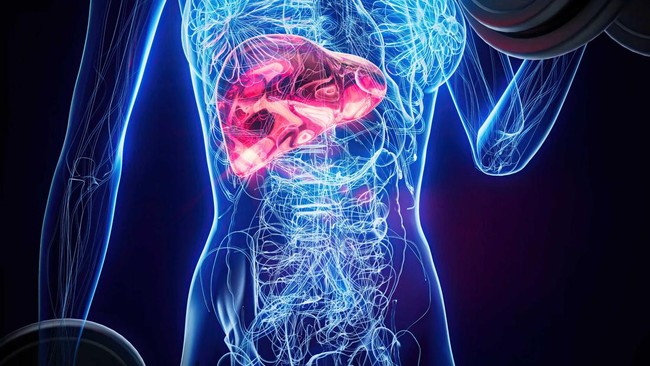
Jakarta, CNBC Indonesia - The Minister of Health, Budi Gunadi Sadikin, has revealed that Indonesia ranks third in the world for the number of chronic liver disease sufferers, following only China and India. This was announced during the World Liver Day commemoration, themed ‘Solid Habits, Strong Liver’, held in Jakarta on Tuesday (2/6/2026).
Budi noted that chronic liver disease remains a global health threat, causing approximately 2 million deaths annually. He warned that liver disease is not always initiated by viral infections but can also stem from obesity and metabolic disorders, which are steadily increasing in Indonesia.
‘Globally, more than 300 million people are affected by chronic liver disease. 2 million people die every year. If calculated, almost four people die every minute,’ said Budi.
He explained that more than half of deaths caused by chronic liver disease are due to Hepatitis B and Hepatitis C viral infections, while the remainder stems from alcohol consumption and metabolic disorders such as obesity and diabetes. Budi revealed that Indonesia is estimated to have around 70 million sufferers of chronic liver disease. ‘Indonesia ranks third in the world after China and India,’ he stated.
The Ministry of Health has launched several policies, ranging from Hepatitis B immunisation for healthcare workers and prevention of mother-to-child transmission to including hepatitis screening in the Free Health Check (CKG) programme. Budi noted that in 2025, approximately 70 million people underwent health screenings through this programme. This year, the government aims to increase the number of examinations to 136 million people. Additionally, the government is implementing nutritional labelling policies on food to curb the consumption of sugar, salt, and fat, which are risk factors for various chronic diseases, including liver disorders.
Budi assessed that promotive and preventive approaches are far more effective than curative treatments once the disease reaches an advanced stage. ‘The prevalence of liver disease is high. Therefore, promotion and prevention are much more important than cure. It is cheaper and provides a better quality of life for the community,’ he said.
Meanwhile, Professor David Handojo Muljono, an expert in hepatitis and Professor of Internal Medicine, explained that the liver acts as the body’s largest ‘chemical factory’, working 24 hours a day to sustain human life. He noted that the liver possesses at least six vital functions.
‘First, the liver functions as a detoxification organ by filtering toxins from the blood, processing medications, and neutralising alcohol and harmful substances,’ Professor David stated. Secondly, the liver regulates metabolism by converting carbohydrates into energy, storing glycogen, and regulating fat and protein metabolism. Thirdly, it produces essential proteins, including albumin, which helps maintain fluid balance and blood clotting factors.
Furthermore, the liver regulates blood clotting, produces bile to assist in fat digestion and the absorption of vitamins A, D, E, and K, and serves as a crucial part of the immune system in fighting bacteria, viruses, and foreign substances.
Professor David explained that chronic liver disease generally develops slowly and often presents no symptoms in the early stages. Damage typically begins with fatty liver or inflammation. If the underlying cause is not addressed, the condition can progress to fibrosis, or the formation of scar tissue. In the early stages of fibrosis, the liver still retains the ability to repair itself. However, as scarring increases, blood flow within the liver is disrupted, leading to cirrhosis.
‘The earlier liver damage is halted, the greater the chance for the liver to recover and avoid serious complications such as cirrhosis and liver cancer,’ said Professor David.
He explained that prevention can be achieved through Hepatitis A and B vaccinations, maintaining an ideal body weight, consuming healthy food, regular exercise, avoiding alcohol, and practising clean and safe sexual behaviour. For early detection, at-risk individuals are advised to undergo regular blood tests, liver function tests, liver ultrasounds, and non-invasive liver fibrosis examinations. Treatment is administered based on the cause of the disease, ranging from antiviral therapy for Hepatitis B and C to managing fatty liver due to obesity, and advanced therapies such as immunotherapy, chemotherapy, or liver transplantation in severe cases.
Source: jawawa.id (https://jawawa.id/newsitem/indonesia-ranks-third-globally-in-chronic-liver-disease-health-minister-reveals-causes-1780872097)
Originally published by CNBC Indonesia (https://www.cnbcindonesia.com/lifestyle/20260602132832-33-739407/ri-ranking-3-dunia-penyakit-hati-kronis-menkes-ungkap-pemicunya), translated from Indonesian