
Indonesia Quietly Installs 1.3 GW of Rooftop Solar Power
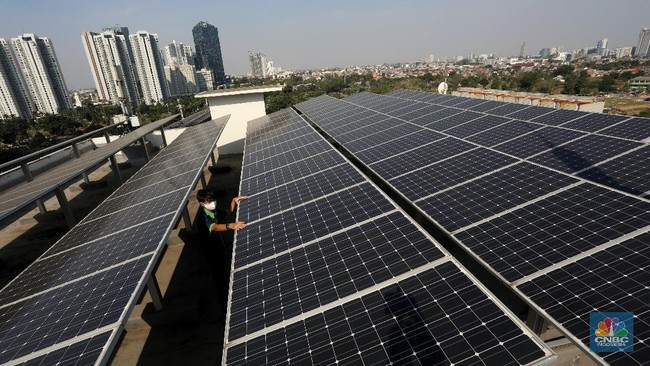
Indonesia now has an installed capacity of 1.3 gigawatts (GW) of rooftop solar power plants (PLTS Atap), representing a crucial milestone in the nation’s energy transition journey. This achievement results from strategic collaboration between the Ministry of Energy and Mineral Resources (ESDM), PT PLN (Persero), and the Indonesian Solar Energy Association (AESI). The 1.3 GW capacity establishes a foundational step towards Indonesia’s ambition to develop up to 100 GW of solar energy in the coming years. This initiative forms part of the Road to IndoSolar 2026, a national collaboration platform bringing together stakeholders from government, industry, investors, academia, and international partners. AESI General Chair Mada Ayu Habsari stated that this progress demonstrates solar energy is no longer merely potential but a strategic national necessity. “With a maturing industrial ecosystem, AESI is ready to serve as a strategic partner to the government in accelerating PLTS implementation and realising Indonesia’s energy transition targets,” she remarked at the Launching 1 GW PLTS Atap Indonesia (National Solar Transition Forum 2026) event held at the Borobudur Hotel in Jakarta on Tuesday (21/4/2026). Currently, AESI has around 135 members representing various elements of the solar energy ecosystem, from manufacturing and project developers to technology providers, financial institutions, and certification bodies. The increasingly complete ecosystem serves as vital capital for accelerating the national solar industry’s scale-up. Director General of New, Renewable Energy, and Energy Conservation (EBTKE) at the Ministry of ESDM, Eniya Listiani Dewi, explained that national PLTS development is targeted to reach up to 100 GW. This ambitious goal is expected not only to increase energy capacity but also to create demand that drives the domestic solar energy industry. The realisation of the PLTS programme supports a clean energy mix while opening up substantial job creation potential. “We estimate at least 760,000 new jobs can be created from this PLTS programme. Moving forward, the government aims to expand photovoltaic use beyond rooftops to ground-mounted areas, particularly around village cooperatives, health facilities like community health centres, and accelerating electric vehicles,” she said. PT PLN (Persero) Retail and Trading Director Adi Priyanto added that the 1.3 GW achievement is a vital step in promoting solar energy utilisation in Indonesia. PLN remains committed to supporting national policy directions, including positioning PLTS as a key component in the transition to cleaner energy. In the future, collaboration on rooftop PLTS development is expected to broaden, accelerating solar energy adoption across various sectors. With support from multiple parties, Indonesia has significant potential to meet its national solar development targets while strengthening its role in ASEAN’s energy transition. “To facilitate the public, PLN has introduced a rooftop PLTS permitting feature via the increasingly user-friendly PLN Mobile app. Through this feature, customers can apply, monitor the process transparently, and enjoy faster, easier services. This effort aligns with PLN’s commitment to implementing Ministry of ESDM Regulation No. 2 of 2024, while promoting the acceleration of on-grid rooftop PLTS utilisation in Indonesia,” he explained.