
Indonesia Pushes to Accelerate IEU-CEPA Ratification, Targeting Entry into Force in 2027
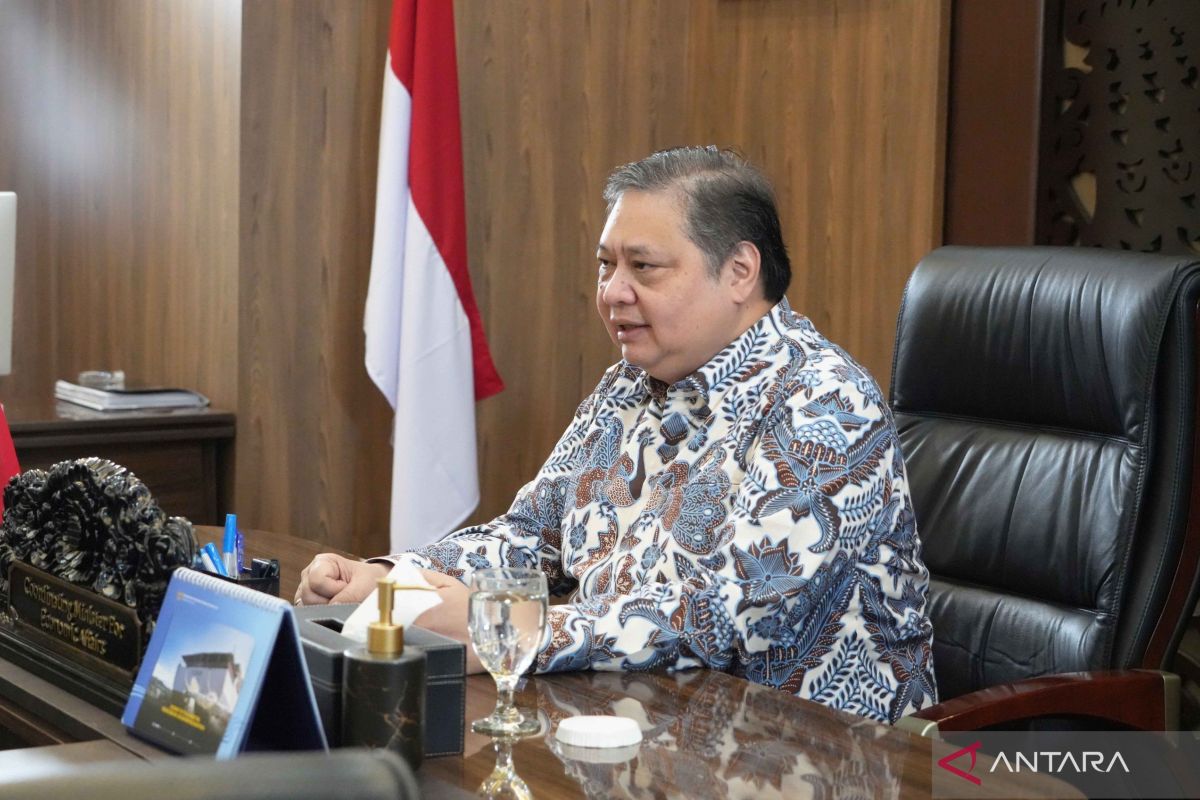
Jakarta (ANTARA) — The government is pushing to accelerate the signing and ratification of the Indonesia-European Union Comprehensive Economic Partnership Agreement (IEU-CEPA), with the aim of bringing it into force in early 2027.
Implementation of the agreement could open up wider access to the European market for Indonesian products.
“Maintaining the positive momentum in concluding the IEU-CEPA through stronger coordination and diplomacy with EU institutions is important. Accelerating the signing must also be accompanied by preparations for ratification and implementation so that businesses on both sides can soon benefit from the agreement,” said Haryo Limanseto, spokesperson for the Coordinating Ministry for Economic Affairs, in a statement in Jakarta on Monday.
After reaching a substantive conclusion in September 2025 and completing legal scrubbing in August 2026, Indonesia and the European Union have entered the final stage of preparations for signing.
In June 2026, the European Commission submitted its proposal on the IEU-CEPA to the Council of the European Union for approval of its signing and conclusion.
The Embassy of the Republic of Indonesia in Belgium, the Grand Duchy of Luxembourg and the European Union also reported intensive communications with various EU stakeholders, including European Commissioner for Trade and Economic Security Maroš Šefčovič, to accelerate the completion of the EU’s internal procedures.
Both sides are continuing efforts to sign the IEU-CEPA before the end of 2026.
Alongside the IEU-CEPA, the government is focused on strengthening other free trade agreements, including the Indonesia-Canada CEPA (I-CA CEPA) and the Indonesia-Eurasian Economic Union Free Trade Agreement (I-EAEU FTA).
Haryo said several analyses of the agreements’ impact indicate that the IEU-CEPA could increase Indonesian exports by up to US$10.9 billion. The I-CA CEPA could lift exports by about US$1.6 billion, while the I-EAEU FTA could add between US$2.2 billion and US$2.89 billion.
These figures show that trade agreements offer benefits beyond tariff reductions: they can also create room for trade expansion in goods for which Indonesia has production capacity and partner markets have potential demand.
In line with this, an Export Potential Analysis found that CEPA and FTA opportunities could be directed towards goods with substantial export gaps. An export gap is the difference between current export values and the value that could potentially still be achieved in a partner market.
For the European Union, EFTA and the United Kingdom, key opportunities include palm oil and its derivatives, motor vehicles, coffee, cocoa, rubber and rubber products, iron and steel, processed wood, and fishery products.
For Canada, export opportunities are concentrated in minerals and metals, chemicals, vehicles, wood and rubber, as well as machinery and electronic equipment.
Food and beverages, seafood, footwear, processed wood products, electronics, automotive goods and handicrafts are among the product groups that could be promoted through the I-CA CEPA. In the EAEU market, the main export opportunities are in chemicals, plant-based products, vehicles, minerals and metals, as well as wood, paper, rubber and plastics.
At the individual product level, palm oil, footwear, shrimp, natural rubber, coffee and essential oils are among the products that would receive better tariff opportunities under the I-EAEU FTA.
“Co-operation between the Indonesian government and Indonesia’s representatives in Brussels is needed to oversee the conclusion of the IEU-CEPA and strengthen economic ties with EU member states. This is expected to accelerate the realisation of the agreement’s benefits and lay the foundation for a closer and more sustainable economic partnership between Indonesia and the European Union,” Haryo concluded.