
Indonesia Pursues AI Independence Through Infrastructure and Talent Development
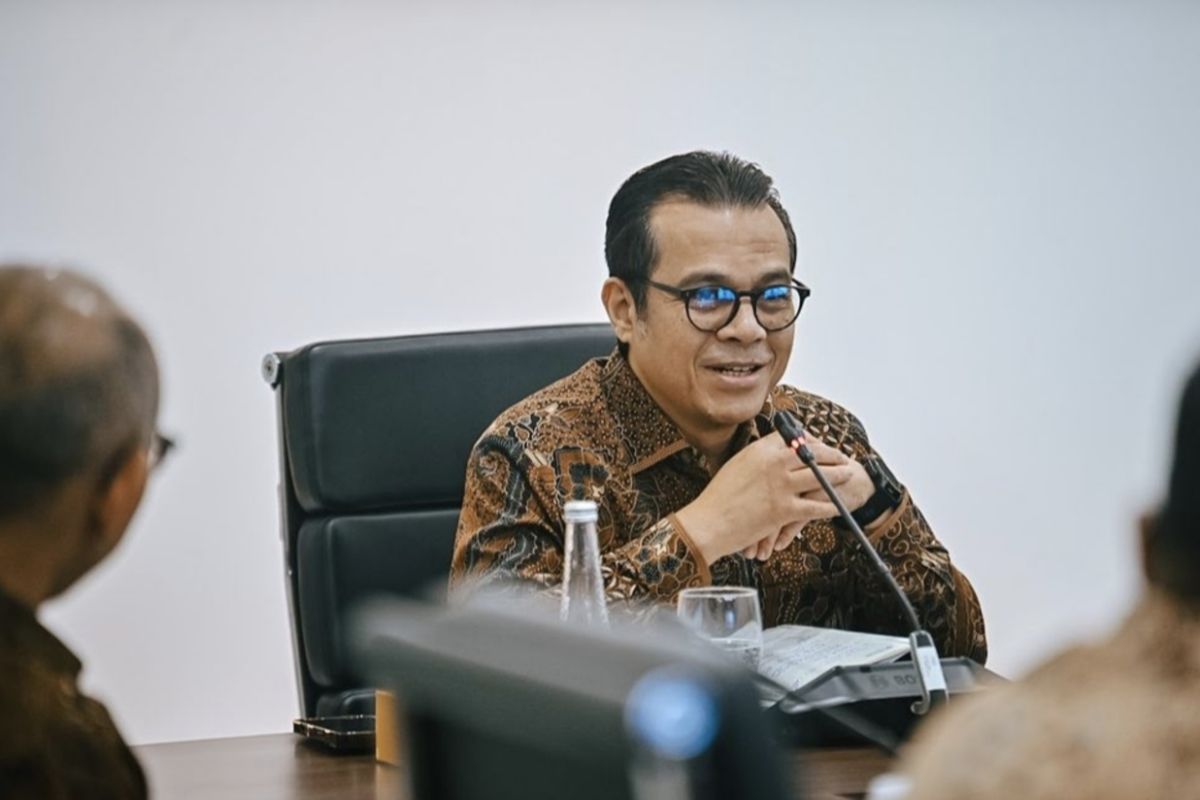
Jakarta (ANTARA) - Indonesia is preparing the foundations for artificial intelligence (AI) self-reliance through the development of an ecosystem encompassing local AI models, computing infrastructure, and the strengthening of digital talent.
Deputy Minister of Communication and Digital (Wamenkomdigi) Nezar Patria, in remarks confirmed in Jakarta on Thursday, assessed that mastery of AI in the future relates not only to technological innovation but also forms part of a nation’s strategic position within the global technology supply chain.
He revealed that amid global geopolitical dynamics, an increasing number of countries are seeking to build AI self-reliance so as not to depend on major powers in the mastery of AI technology.
“Countries in the middle, the middle powers, are trying to promote sovereign AI because ultimately mastery of AI technology will become a choke point for these major countries to maintain their dominance,” he said.
He emphasised that building AI self-reliance must be done comprehensively, encompassing the layers of basic infrastructure such as electricity, water, GPUs, chips, platforms, and applications.
“As for digital talent, it is not a problem as long as our young people and talents get the opportunity. They can access AI infrastructure, gain the knowledge, and have creativity and innovations. I am confident that we can compete in the field of compute clusters,” he said.
Beyond digital talent, Nezar also believes Indonesia holds a strategic advantage in the form of critical mineral resources, which serve as raw materials for the AI and semiconductor industries.
According to him, steps are needed to leverage these minerals so as to strengthen Indonesia’s bargaining power and position within global supply chains.
“We have natural resources that are currently being contested for AI infrastructure, namely critical minerals, so there must be steps to secure them so they become one of our bargaining chips in the global supply chain,” he said.