
Indonesia Promotes Inclusive Financing and Entrepreneurship Ecosystem at APEC
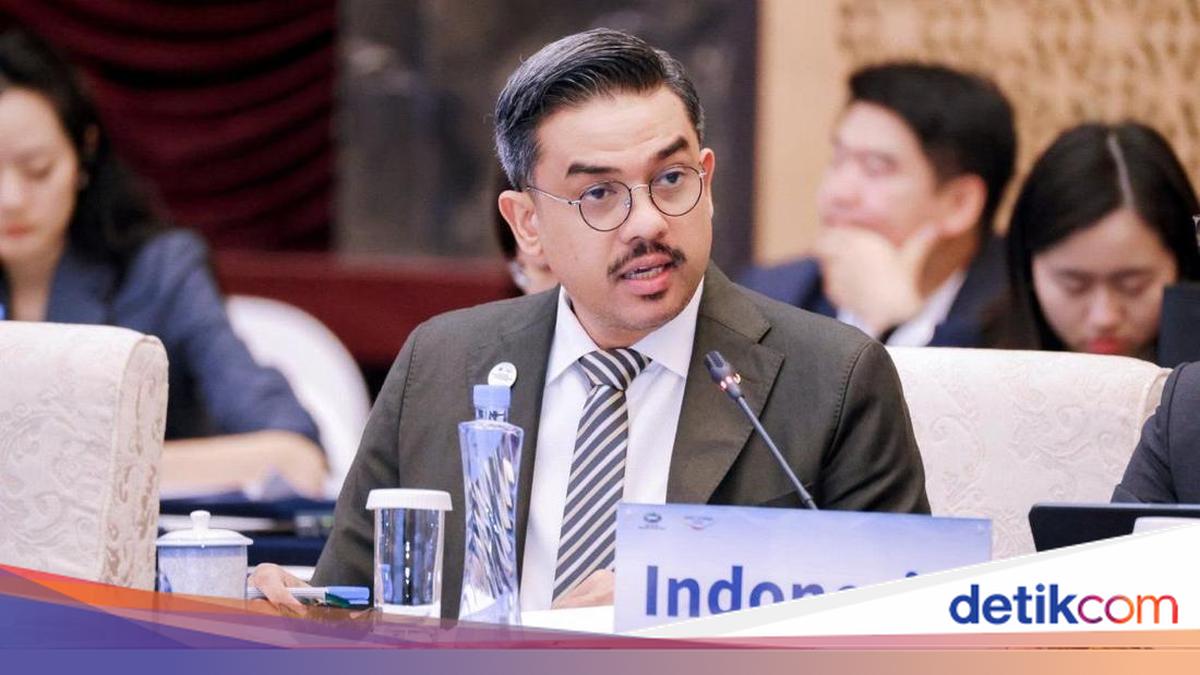
Minister of Micro, Small and Medium Enterprises (MSMEs) Maman Abdurrahman conveyed Indonesia’s commitment to strengthening the entrepreneurship ecosystem and expanding access to inclusive financing for MSMEs at the APEC SME Ministerial Meeting (32nd APEC SME Ministerial Meeting).
Maman said Indonesia’s presence at the APEC forum was not only part of regional cooperation, but also an opportunity to share experiences and policy practices that could serve as shared learning for member countries.
“The success of a financing policy is not only measured by how much financing is disbursed, but also by how effectively that financing enables MSMEs to grow, become more resilient, and move up to a higher level of development,” Maman said in a statement on Monday (7 September 2026).
He made the remarks at the 32nd APEC SME Ministerial Meeting in Guangzhou, China, on Friday (4 September).
One of the financing instruments the government continues to strengthen is the People’s Business Credit (KUR). In 2025, KUR disbursement reached Rp286 trillion to 4.5 million MSMEs. For the first time in ten years, the proportion of KUR disbursed to productive sectors reached 60.5 per cent, including agriculture, fisheries and manufacturing.
“This reflects our commitment to directing financing towards productive activities capable of creating greater economic value and opening up quality employment,” he said.
Maman explained that this strengthening of financing continued into 2026. As of 24 August 2026, KUR disbursement had reached Rp201 trillion to 3.1 million borrowers, with 51 per cent channelled to women entrepreneurs.
The government is also transforming the Membina Ekonomi Keluarga Sejahtera (Mekaar) scheme to make financing for women more affordable.
“Under the President’s direction, the Mekaar financing scheme is currently being transformed, with the financing rate targeted to fall from around 20-25 per cent to 8 per cent starting this year,” Maman said.
On the entrepreneurship side, Maman continued, the government is strengthening the Productive PRO-KESRA programme, which focuses not only on creating new entrepreneurs but also on building capacity and strengthening the business ecosystem.
“The programme is directed at supporting the target of 10 million people in business and employment through services integrated across ministries and agencies,” Maman said.
In addition, Indonesia shared good practices in building an entrepreneurship ecosystem through policy strengthening and business incubation programme development. Strengthening the entrepreneurship ecosystem must ensure that entrepreneurs not only grow in quantity, but also have the capacity to develop, move up a class, and build sustainable businesses.
Maman explained that this effort is supported by Presidential Regulation Number 38 of 2026 on National Entrepreneurship Development, which serves as a cross-ministerial and agency policy framework while setting a target for Indonesia’s entrepreneurship ratio to reach 8 per cent by 2045.
The entrepreneurship ecosystem is then integrated through SAPA UMKM, a platform connecting data collection, programme access, capacity building, and unified monitoring of beneficiaries.
“Through these various initiatives, Indonesia is not only strengthening MSMEs at the national level, but also contributing to APEC’s agenda to build MSMEs that are more inclusive, innovative, digital, resilient, and connected to regional and global markets,” Maman said.