
Indonesia prioritises ecology and welfare in national park financing scheme
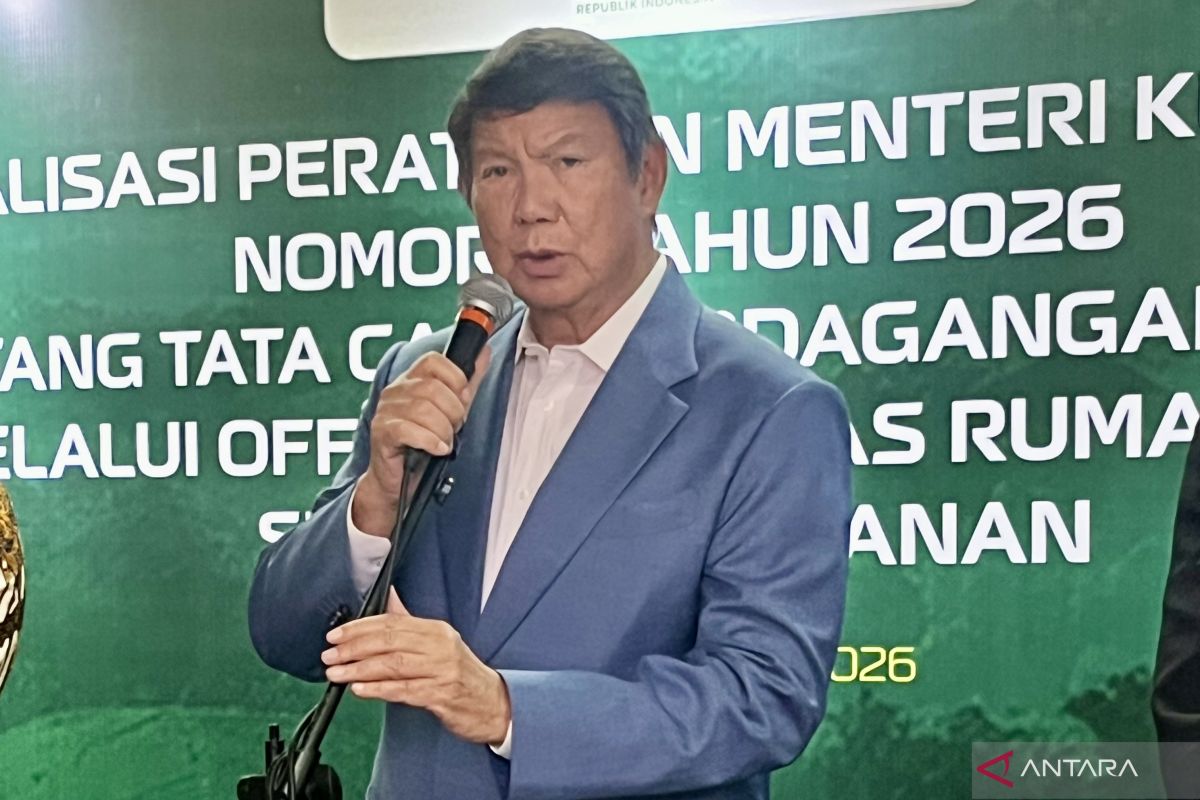
The Indonesian government is prioritising ecological sustainability and the welfare of local communities in an innovative financing scheme for National Parks and the conservation of iconic species. Hashim Djojohadikusumo, Chairman of the Task Force for Innovative Financing for National Parks and Iconic Species Conservation, stated that this step is being taken through a transparent governance system based on strengthening strict nature protection rules. Hashim said this strategic agenda was rolled out as a form of high-level political commitment from President Prabowo Subianto to organise a more reliable, effective and productive conservation financing system, particularly to protect Indonesia’s national parks and iconic species. “Recognising the importance of global collaboration, the Indonesian Government invites all international stakeholders to build tactical synergy in saving the world’s natural assets through the National Park Innovative Financing Task Force,” he said. In executing this major mission, the task force is implementing a mutually sustainable Two-Track Strategy. The first track focuses on creating a conducive funding climate through regulatory reform, institutional strengthening and policy formulation. On the second track, the government is actively seeking direct investment through a structured market approach, preparing a mature portfolio of projects, and designing financial instruments with global partners. “These two tracks are mutually reinforcing and carried out in stages, whereby the success of pilot projects in the initial phase will serve as the main foundation for a more comprehensive reform of the conservation system,” Hashim said. Meanwhile, Minister of Forestry Raja Juli Antoni, as Deputy Chair of the Task Force for Regulatory Reform, stressed that this innovative financing scheme for conservation is no longer just rhetoric on paper, but a concrete step with clearly mapped targets and timelines. Through the stewardship of the Draft Government Regulation, the realisation of short-term targets, and the task force’s consistent work commitment, Indonesia is preparing to move the management of national parks and the rescue of rare species far beyond dependence on the state budget towards financial independence based on modern green economy instruments. As a concrete short-term measure, the Ministry of Forestry is accelerating the transformation of four pilot national parks—Komodo National Park, Bromo Tengger Semeru National Park, Rinjani National Park, and Way Kambas National Park—into Public Service Agencies.