
Indonesia Prepares Quantum-Resistant Cryptography to Protect the Digital Economy
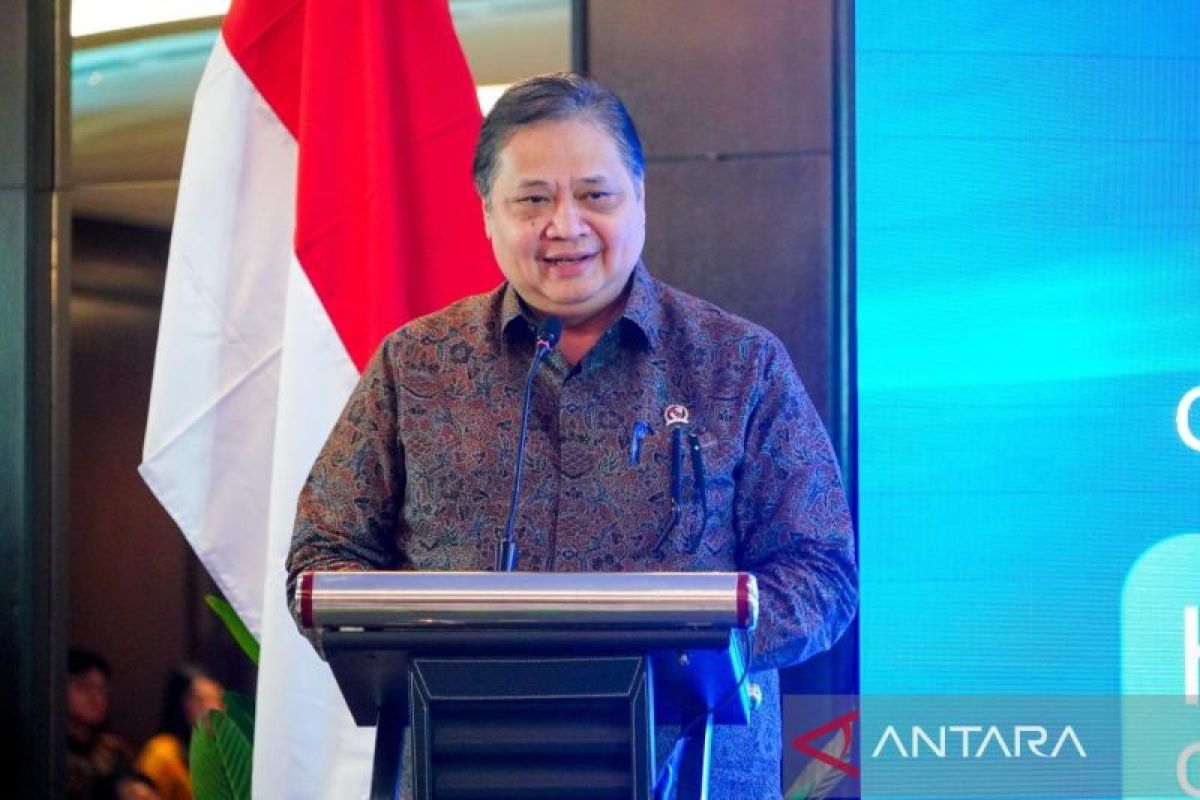
Jakarta (ANTARA) — The government is preparing quantum-resistant cryptography to address data-security risks as the digital economy grows.
“To protect the digital economy, the government is preparing quantum-resistant cryptography to anticipate the risk of Harvest Now, Decrypt Later (HNDL), in which encrypted data is stolen so it can be unlocked in the future using quantum computers,” Coordinating Minister for Economic Affairs Airlangga Hartarto said in a statement in Jakarta on Monday.
The effort will involve the implementation of post-quantum cryptography (PQC) and the establishment by the National Cyber and Crypto Agency (BSSN) of a national task force to prepare for the migration to quantum-resistant cryptography.
Quantum-resistant cryptography is a method of protecting information designed to withstand the potential ability of quantum computers to break the cryptographic systems currently in use.
Airlangga said the growth in digital transactions needed to be matched by robust security. Bank Indonesia recorded 12.99 billion digital payment transactions in the third quarter of 2025, an annual increase of 38.08 per cent.
He described the digital economy as one of the pillars for achieving the 6 per cent economic growth target in 2027.
Indonesia’s digital economy gross merchandise value (GMV) approached US$100 billion in 2025, up 14 per cent from the previous year.
On infrastructure, Airlangga stressed that access to land, electricity and water was essential for data centre development.
He said operating data centre capacity stood at 600–700 megawatts, while projects in the pipeline totalled 1.3 gigawatts, with an estimated investment value of US$15–20 billion.
NVIDIA is also exploring a US$4.5 billion investment, equivalent to around Rp80.1 trillion, in the Batam Free Trade Zone (FTZ); discussions are ongoing.
In trade, Indonesia’s e-commerce market is projected to grow by more than 14 per cent to US$71 billion, making it the largest e-commerce market in South-East Asia.
The government is targeting Rp40 trillion in transactions through the National Online Shopping Day (Harbolnas) by the end of 2026, up 10 per cent from Rp36.4 trillion in 2025, and will continue strengthening the e-commerce ecosystem.
Meanwhile, international cooperation on artificial intelligence through the World AI Collaboration Organization (WAICO) is expected to attract US$8–12 billion in investment between 2026 and 2030.
The government is targeting economic growth of 6.0 per cent in 2027.
Airlangga said achieving that target would require three conditions: investment growth exceeding gross domestic product (GDP) growth, higher worker productivity and stronger exports of value-added products.
Investment needs to grow by 8–9 per cent, with investment of Rp2,258 trillion targeted.
“Within this framework, the digital economy is a measurable engine of growth,” he said.
Source: jawawa.id (https://jawawa.id/newsitem/indonesia-prepares-quantum-resistant-cryptography-to-protect-the-digital-economy-1792396397)
Originally published by Antara (Indonesian) (https://www.antaranews.com/berita/5796301/ri-siapkan-kriptografi-tahan-kuantum-guna-lindungi-ekonomi-digital), translated from Indonesian