
Indonesia Prepares Motorcycle Safety Standards
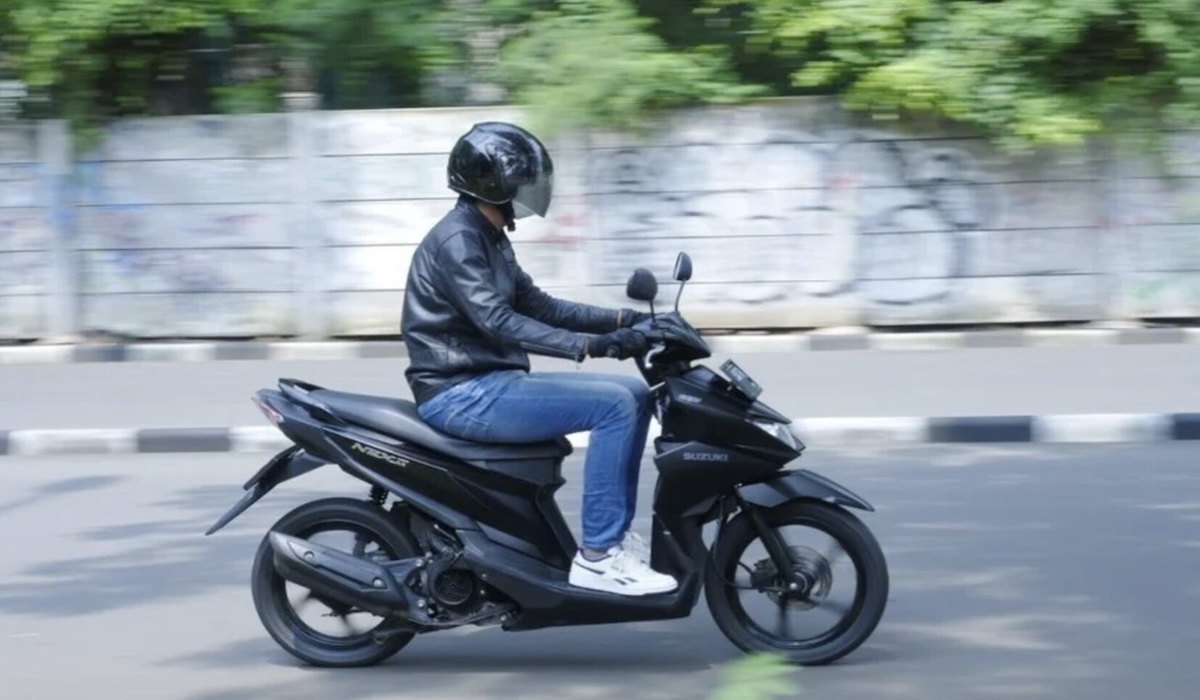
The GIIAS 2026 automotive exhibition showcased several new cars such as the Jetour T2, Mitsubishi Destinator, and Suzuki Fronx that have obtained ASEAN NCAP safety ratings. However, similar transparency has not yet reached the motorcycle sector, even though this mode of transport dominates Indonesian roads with sales volumes in the millions of units.
Finance Minister Purbaya Yudhi Sadewa noted positive growth in public purchasing power, with car sales in June 2026 growing 32.9% and motorcycles rising 1.1% year-on-year. Data from the Indonesian Motorcycle Industry Association (AISI) reinforces this, with domestic sales reaching 3,129,587 units from January to June 2026. This large volume demands safety information that is easily understood by consumers.
Adrianto Sugiarto, a member of the ASEAN NCAP Technical Committee, emphasised that consumers should not be burdened with understanding the technical details of safety features on their own. According to him, a high price is not a guarantee of complete safety features. “A rating system can simplify that information, so the public can more easily determine a vehicle based on its safety star rating,” said Adrianto.
In response to this need, Indonesia is now developing the Indonesian Motorcycle Assessment Program (ID-MAP) under the auspices of the Indonesian Road Safety Rating (IDRS). The testing will refer to international standards, including UNR 78 on braking systems. IDRS has also established cooperation with the Roadworthiness Testing and Motor Vehicle Certification Agency (BPLJSKB) of the Ministry of Transportation for the use of test facilities.
Nevertheless, challenges arise from debate over the urgency of safety features on small-capacity motorcycles. Features such as ABS, Smart Key System, and Emergency Stop Signal are often considered to only add to the price burden. In fact, the risk of fatality during emergency braking does not depend on engine capacity, but rather on the vehicle’s controllability.
From the industry side, Teuku Agha, 2W Sales & Marketing Department Head of PT Suzuki Indomobil Sales, stated that manufacturers will comply with government regulations. He left the standardisation of safety technology on entry-level motorcycles to policymakers. “Regulations are established because there is a need in that territory. As a manufacturer, we are obliged to follow them,” Agha stressed.
Currently, the direction of vehicle safety standardisation is also part of the discussion on the Draft Law on the Third Amendment to the Traffic and Road Transportation Law. The presence of ID-MAP is expected not only to be a testing formality, but to become the main reference for consumers in choosing vehicles that are not only superior in design and price, but also guaranteed in terms of safety.