
Indonesia Prepares LPG Substitute Gas 30% Cheaper: Here's the Reason
Indonesia’s Minister of Energy and Mineral Resources (ESDM), Bahlil Lahadalia, continues to seek alternatives to Liquefied Petroleum Gas (LPG). One option being pursued is the use of Compressed Natural Gas (CNG).
This alternative gas is considered even cheaper than LPG usage. According to studies, CNG usage could be 30% cheaper.
“CNG has already been studied. Its price is much cheaper, around 30% cheaper,” Bahlil explained some time ago.
Why is it cheaper? Bahlil explained that the raw material for CNG gas is abundant in Indonesia, supported by domestic industries. “So we don’t import it; the transportation costs alone can cover it,” Bahlil stated.
Additionally, Bahlil said, CNG gas is available in almost all regions with gas sources. Thus, it can be more efficient.
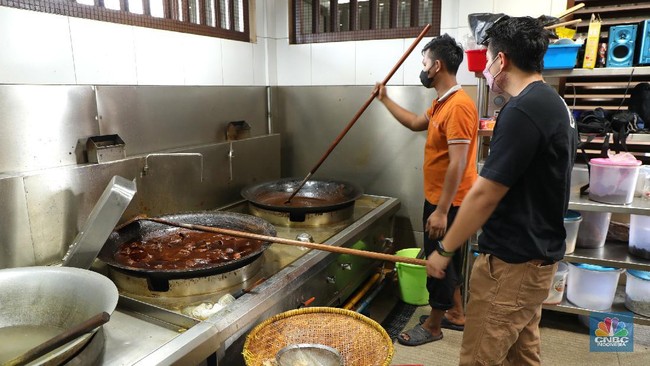
“And if asked whether it’s already performing on the road or not, on a large scale it’s already in use. In Java regions, CNG is already used. Hotels, restaurants, then MBG, MBG kitchens already use it,” he explained.
To Be Subsidised
Minister Bahlil stated that the policy of subsidising CNG aligns with President Prabowo Subianto’s directive that the national energy programme should remain supportive of the people who need it.
“The President’s directive, whether CNG or LPG, will always prioritise helping the people who truly need our assistance. Thus, I assure you that subsidies must still be provided for the people,” Bahlil said after the inauguration at the Ministry of ESDM some time ago.
Therefore, the government is also striving to ensure that the selling price of CNG in the future can be equivalent to the price of 3kg LPG currently used by the public. “Pray for that. At least the same. At least the same,” Bahlil said.
Currently, the government is still in the testing and study phase before the full implementation of the programme. Thus, the pricing scheme and distribution mechanism are still being refined.
“Later, later. That’s why we’re trialling it. This hasn’t been implemented yet. I repeat, this is still in the exercise phase,” he said.