
Indonesia Posts Trade Surplus Again, but Import Surge Raises Concerns
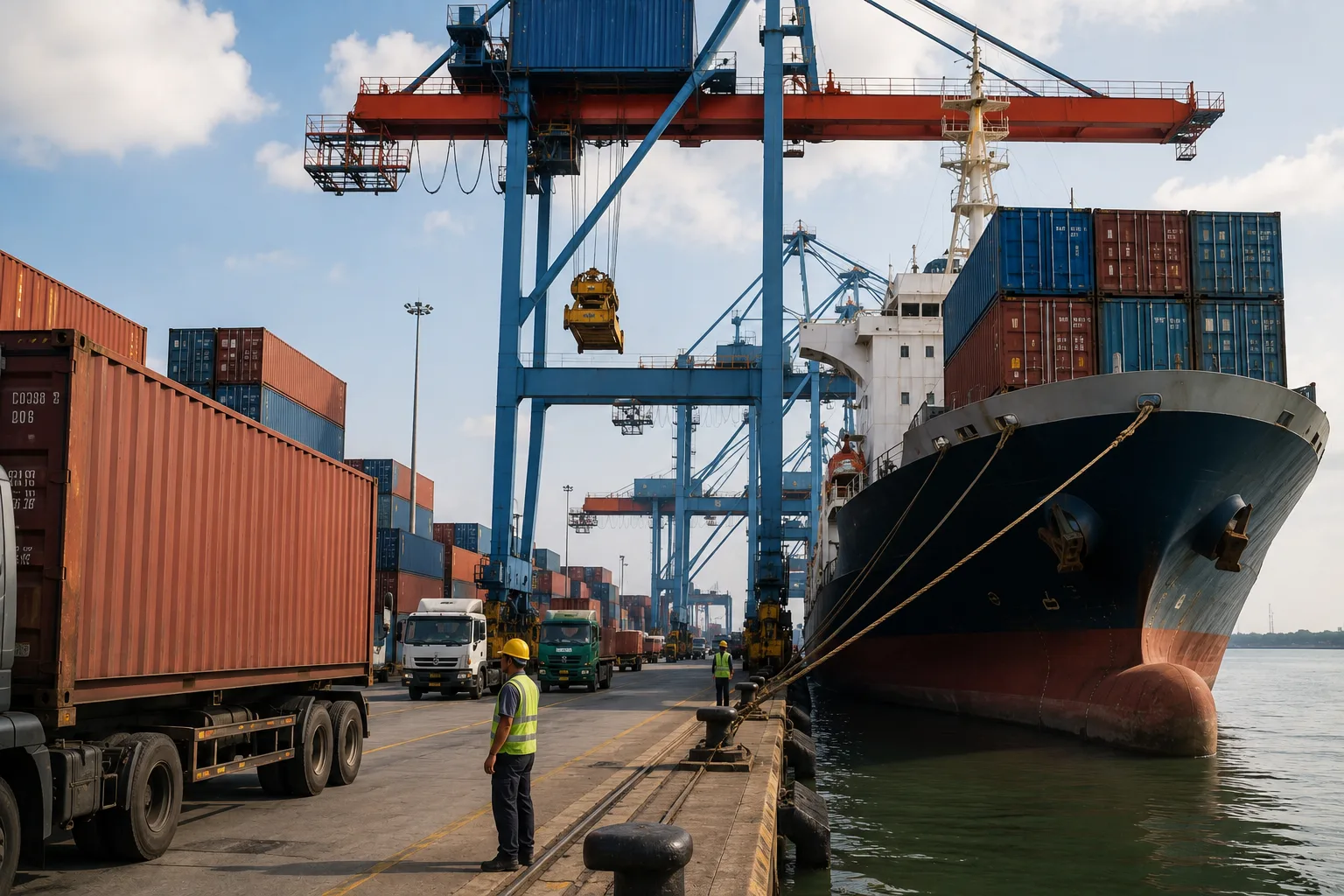
Jakarta, Suaratimur.com - Indonesia returned to a trade surplus in July 2026 after recording deficits for two consecutive months. However, behind the return to positive territory, imports grew far faster than exports, raising concerns over the sustainability of the country’s trade balance.
Statistics Indonesia (BPS) reported that Indonesia booked a US$121.9 million, or roughly US$0.12 billion, trade surplus in July 2026. Exports reached US$26.22 billion, slightly exceeding imports of US$26.09 billion.
The return to surplus offered some relief after the trade balance posted a US$1.61 billion deficit in May and another deficit of US$450.5 million in June 2026.
Still, the July surplus was relatively thin compared with Indonesia’s overall trade value.
A more significant concern lies in the pace of import growth. On an annual basis, imports surged 27.02 percent, while exports increased by only 6.05 percent.
July Trade Balance Returns to Positive Territory
Ateng Hartono, Deputy for Distribution and Services Statistics at Statistics Indonesia, said the July surplus was largely driven by non-oil and gas trade.
“In July 2026, Indonesia’s merchandise trade balance recorded a surplus of US$0.12 billion.”
The non-oil and gas trade balance posted a surplus of around US$3.10 billion. Major contributors included animal or vegetable fats and oils, mineral fuels, and iron and steel.
However, the sizable non-oil and gas surplus was almost entirely offset by the deficit in oil and gas trade.
Indonesia’s oil and gas balance recorded a deficit of around US$2.98 billion in July, mainly due to trade in refined petroleum products and crude oil.
Oil and gas imports reached approximately US$3.77 billion during the month, jumping nearly 50 percent from the same period a year earlier.
The figures underline how Indonesia’s dependence on imported energy continues to place pressure on the overall trade balance.
Exports Rise, but Imports Grow Much Faster
Indonesia’s exports totaled US$26.22 billion in July 2026, up 6.05 percent compared with July last year.
Non-oil and gas exports reached US$25.43 billion, increasing 6.84 percent year-on-year. In contrast, oil and gas exports fell 14.58 percent to around US$790 million.
Manufacturing remained the backbone of Indonesia’s non-oil and gas exports, with shipments from the sector reaching approximately US$21.76 billion in July.
Mining contributed around US$3.10 billion, while agriculture, forestry, and fisheries accounted for roughly US$570 million.
Export performance was supported by several key commodities, including coal, processed nickel products, basic chemicals, aluminum, vegetable oils, and iron and steel.
The challenge, however, is that export growth has not kept pace with the sharp acceleration in imports.
Imports reached US$26.09 billion in July, soaring 27.02 percent compared with July 2025.
Raw Materials Dominate Indonesia’s Imports
Viewed by their intended use, the increase in imports should not necessarily be interpreted entirely as a negative signal.
Most goods entering Indonesia consisted of raw materials and intermediate goods used in domestic production.
In July 2026, imports of raw and intermediate materials reached approximately US$18.76 billion. Capital goods imports stood at US$5.10 billion, while consumer goods imports amounted to around US$2.24 billion.
This means more than two-thirds of Indonesia’s imports were related to production needs.
The increase in capital goods imports may also indicate ongoing investment and expansion in productive capacity. Imported machinery, industrial equipment, components, and other capital goods could support stronger economic activity in the months ahead.
However, if import growth continues to significantly outpace exports, Indonesia’s trade surplus could narrow further.
January-July Trade Surplus Shrinks to US$3.70 Billion
Cumulatively, Indonesia still recorded a US$3.70 billion trade surplus from January through July 2026.
Total exports during the seven-month period reached US$167.03 billion, up 4.43 percent from the corresponding period last year.
Imports, meanwhile, totaled US$163.33 billion, surging 19.94 percent year-on-year.
The gap between the growth rates was substantial.
The cumulative surplus was mainly supported by the non-oil and gas sector, which recorded a surplus of US$22.45 billion.
By contrast, the oil and gas balance posted a substantial deficit of US$18.75 billion.
Trade Surplus Shows Narrowing Trend
Monthly developments throughout 2026 indicate a significant shift in Indonesia’s trade position.
Indonesia recorded a US$954.3 million surplus in January, followed by a US$1.27 billion surplus in February.
The surplus jumped to US$3.32 billion in March before plunging to just US$89.1 million in April.
Indonesia then slipped into deficit territory in May and June before returning to a marginal surplus in July.
The data suggest that Indonesia’s trade surplus is now considerably thinner than it was earlier in the year.
Import Surge Warrants Attention
Bank Danamon economist Irman Faiz said the July surplus remained relatively limited. He noted that imports of capital goods and raw materials were likely to continue rising alongside Indonesia’s domestic investment cycle.
“Indonesia’s trade buffer will remain far thinner than during the previous commodity upcycle.”
The trade balance matters not only in terms of export and import activity.
A shrinking trade surplus could affect the current account and, in turn, influence the resilience of the Indonesian rupiah.
On the one hand, a surge in imports of raw materials and capital goods may indicate stronger production and investment activity. If the imported goods are subsequently used to increase industrial capacity and boost exports, the impact could ultimately be positive for the economy.
On the other hand, Indonesia needs to ensure that export growth can catch up with rising imports, particularly while the country’s energy import requirements remain high.
The