
Indonesia Poised to Make History with 3 kg CNG as LPG Replacement for Home Cooking
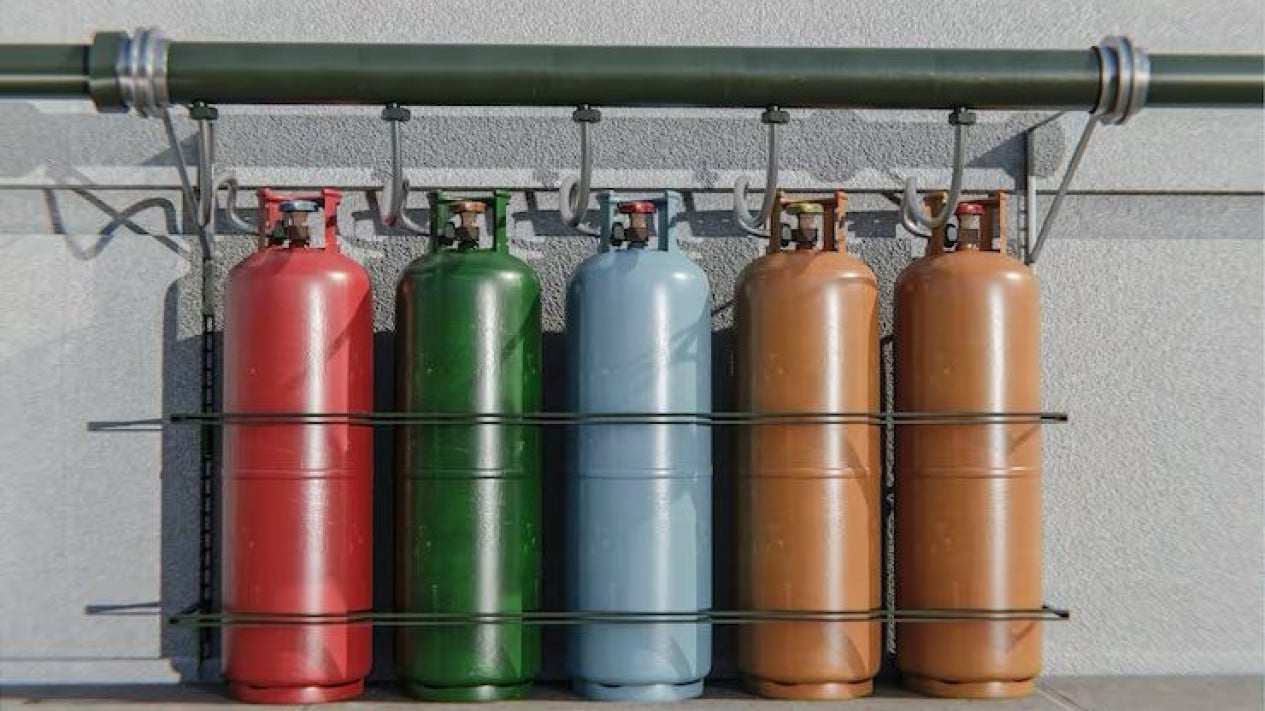
Indonesia is poised to make new history in the household energy sector. The government, through the Ministry of Energy and Mineral Resources (ESDM), is finalising plans to use 3-kilogram Compressed Natural Gas (CNG) as an alternative cooking fuel to replace 3-kilogram Liquefied Petroleum Gas (LPG). If realised, Indonesia will become the first country in the world to implement the use of CNG cylinders equivalent in size to 3 kg LPG cylinders for household cooking needs. This move is part of the government’s efforts to reduce dependency on LPG imports while increasing the utilisation of domestic natural gas.
Director General of Oil and Gas at the Ministry of ESDM, Laode Sulaeman, stated that the government is currently drafting a roadmap for the transition from LPG to CNG to ensure the shift proceeds safely, efficiently, and with public acceptance. According to Laode, the use of CNG for energy needs is not new globally. However, deploying CNG in cylinders the size of a 3 kg LPG canister for household cooking is an innovation that has never been implemented before.
Because it is a world first, the government recognises the considerable challenges ahead. Nevertheless, this is not a reason to halt an innovation deemed to have many benefits for national energy security. “(3 kg CNG) is the first in the world, so the challenges are indeed many, as the Minister said earlier, but we will never succeed if we never face those challenges,” Laode said during the Ministry of ESDM’s ‘Bukan Abuleke’ podcast. The government believes this innovation could be a significant breakthrough in domestic energy management, especially as Indonesia possesses abundant natural gas reserves. In its future implementation, the 3 kg CNG will use Type 4 technology cylinders made from fibre composite material. This technology was chosen for its advantages, including being lighter than conventional metal cylinders and capable of withstanding high gas pressure with adequate safety levels.