
Indonesia Poised to Become ASEAN's Largest Investment Hub
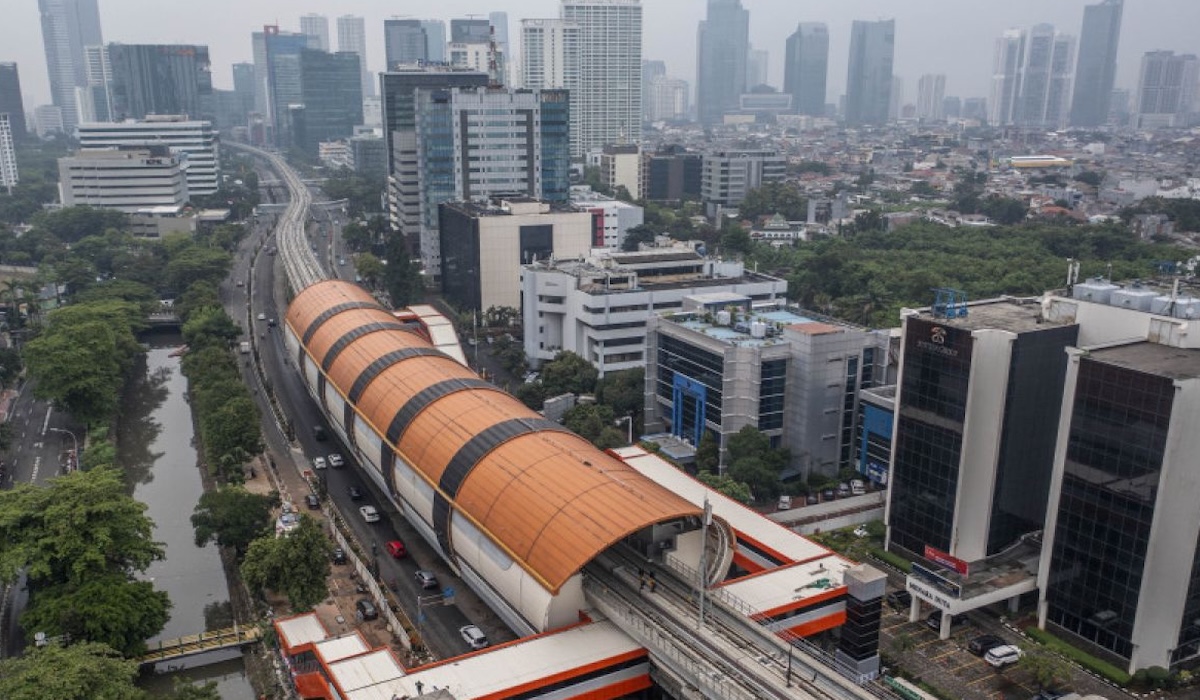
Indonesia is considered to have a significant opportunity to develop into one of the largest trade and investment centres in the ASEAN region within the next five years. The country’s vast domestic market, a population of approximately 280 million, and the availability of a productive workforce are advantages that are difficult for other Southeast Asian nations to match. Scott Wang, Vice President Asia Pacific of the World Trade Centers Association (WTCA), stated that Indonesia possesses a combination of factors that are highly attractive to global investors, ranging from its economic size and population to its long-term growth prospects. “Indonesia is not only the largest country in ASEAN in terms of population and economic size, but also one of the largest in the world. You have around 280 million people and more than 160 million workers with competitive costs and healthy economic growth,” Scott said at WTC Jakarta on Tuesday (23/6). According to Scott, one of Indonesia’s main advantages over neighbouring countries is its large domestic market. This factor is a key consideration for multinational companies when deciding on investment locations and production bases. He noted that while some countries may have more advanced business infrastructure, few possess a domestic market as large as Indonesia’s. “Global companies do not only consider labour costs for export activities. They also think about where their products will be sold. Indonesia has a very large domestic market, and that is an advantage not many other countries have,” he said. In addition to its domestic market, Indonesia is becoming increasingly attractive to foreign investors due to relatively stable economic growth and rising foreign direct investment (FDI). Scott assessed that the influx of foreign investment is also driving growth in the commercial property, industrial, and logistics sectors, which support national business activities. “Foreign investment continues to flow into Indonesia. Global companies coming here need a good business ecosystem, quality office space, and adequate infrastructure support,” he stated. WTCA also sees significant opportunities in the industrial and logistics sectors, particularly amid the global supply chain diversification trend that is encouraging companies to seek new investment locations beyond traditional manufacturing hubs. The phenomenon known as the ‘China Plus One’ strategy is considered to open substantial opportunities for Indonesia to attract industrial relocation and investment from international companies looking to expand their production bases in Asia. Beyond Jakarta, Scott assessed that other cities such as Batam, Makassar, Medan, and various other developing cities have great potential to become new economic growth centres. “We see tremendous opportunities not only in Jakarta, but also in tier-two and tier-three cities whose infrastructure is continuously developing. As businesses grow in these areas, the need for commercial space and investment will also increase,” he said. However, Scott cautioned that investors do not only look at market size. Other factors such as policy transparency, legal certainty, ease of doing business, and infrastructure quality are also primary considerations in investment decision-making. Amid rising geopolitical uncertainty and changes in global supply chains, Indonesia is considered to have the right momentum to strengthen its position as a key investment destination in the region. “Investors typically look at prospects for the next 10 to 20 years. They consider market size, economic stability, policy quality, and the overall business ecosystem. If these factors continue to be strengthened, we are very optimistic about Indonesia’s future,” Scott concluded.