
Indonesia Opens the Door to Global Investment, Signing Four Strategic Partnerships at ADIPEC
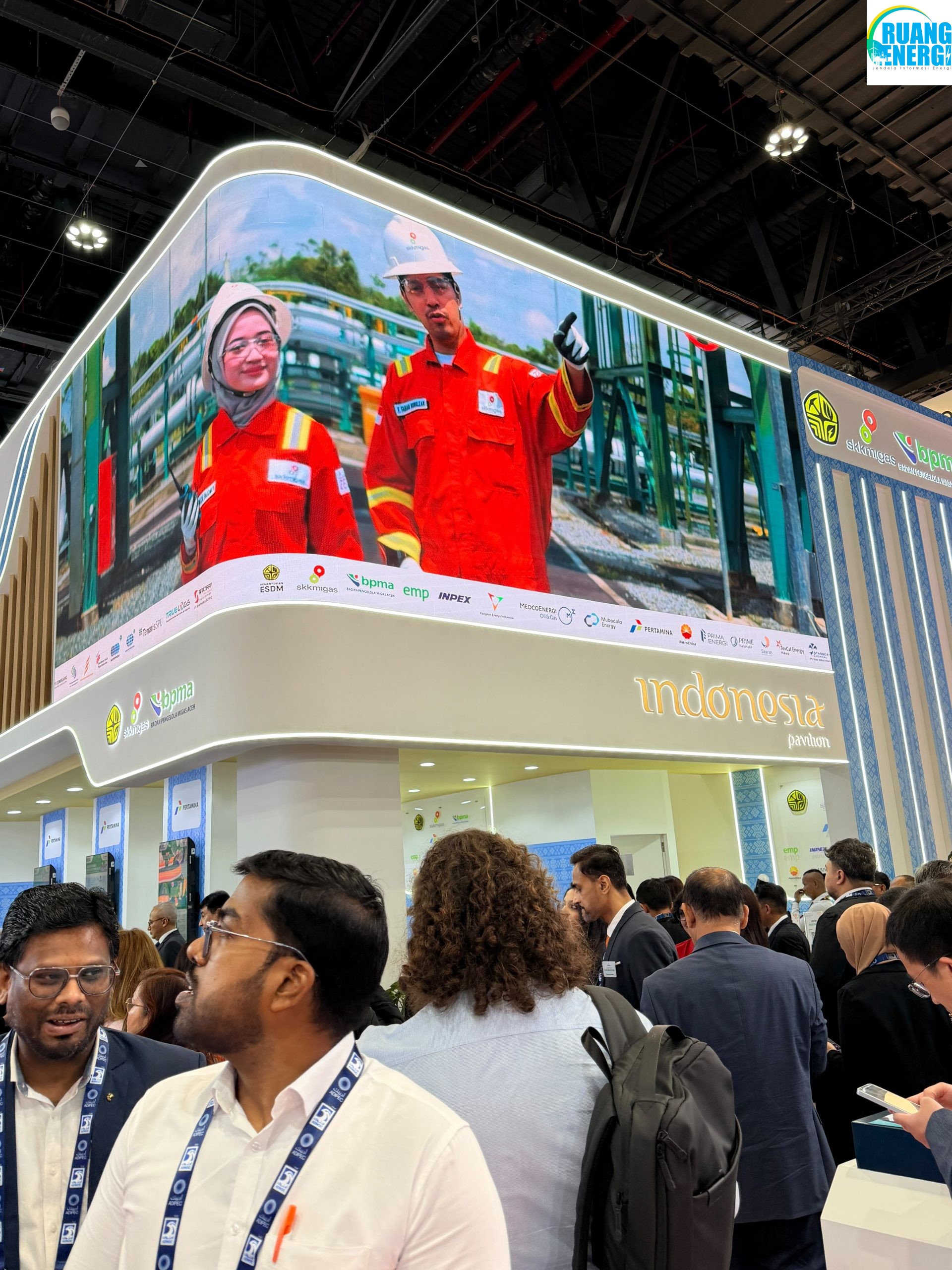
Indonesia concluded its participation in the 2026 Abu Dhabi International Petroleum Exhibition and Conference (ADIPEC) with a focus on accelerating the development of the country’s upstream oil and gas sector.
Beyond promoting its oil and gas potential, Indonesia’s presence at the international energy event was also a strategic move to attract investment, expand global partnerships and strengthen national energy security.
SKK Migas head Djoko Siswanto said Indonesia had significant oil and gas resources still waiting to be discovered and developed. Amid rising domestic energy demand, these resources represented an attractive long-term investment opportunity for global oil and gas industry players.
“Natural resources alone are not enough to realise this potential. Investment, advanced technology, technical expertise and strong collaboration between the government, industry players and international partners are needed,” Djoko said in an official statement on Thursday (5 November).
He said Indonesia’s presence through the Indonesia Pavilion at ADIPEC 2026 provided a platform to showcase its oil and gas potential and demonstrate the readiness of the government and domestic industry to build partnerships with global counterparts.
Targeting investment from global oil and gas giants
During the three-day ADIPEC 2026 event, Indonesia actively engaged with investors and international energy companies.
On the third day, Wednesday (4 November), SKK Migas presented Indonesian oil and gas investment and exploration opportunities through its Prospectivity and Exploration divisions.
PT Medco E&P Indonesia also shared MedcoEnergi’s experience in developing various oil and gas working areas in Indonesia and expanding its business into South-east Asia and the Middle East. In the Middle East, MedcoEnergi currently operates the Karim Small Fields in Oman.
SKK Migas also held business meetings with global engineering company JGC Holdings Corporation and Italian oil and gas giant Eni. Earlier, high-level meetings had been held with INPEX, Samsung and several other business partners.
The meetings took place at an important juncture in the development of large-scale oil and gas projects in Indonesia.
In April 2026, Eni announced a major gas discovery at the Geliga-1 well in the Ganal Block, East Kalimantan. The discovery is estimated to contain around 5 trillion cubic feet (Tcf) of gas in place and 300 million barrels of condensate.
Meanwhile, physical construction of the Abadi LNG project, developed by INPEX in the Masela Block, Maluku, began in July 2026.
The project is designed to produce 9.5 million tonnes of LNG a year and supply 150 million standard cubic feet per day (MMSCFD) of gas for domestic use.
The two projects illustrate the scale of the investment and upstream development opportunities Indonesia is offering the international energy community.
Domestic energy needs remain the priority
As it seeks to expand its position in global energy markets, Indonesia also emphasised the need to balance export commitments with domestic requirements.
Djoko made the point during a discussion entitled “Global LNG Market Trends and Outlook” on Tuesday (3 November).
Speaking alongside Gas Exporting Countries Forum (GECF) Secretary-General Dr Philip Mshelbila, in a session moderated by Financial Times energy editor Malcolm Moore, Djoko said contract flexibility could provide a solution when gas demand changed.
“We have made clear to international gas buyers that Indonesia’s top priority is meeting domestic demand. Only after domestic needs have been met can we export,” he said.
Djoko added that if domestic demand increased, the Indonesian government would discuss the matter with international gas consumers to find a solution that benefited all parties.
This approach forms part of Indonesia’s effort to maintain sustainable energy supplies while meeting the needs of both domestic and global markets.
Four strategic partnerships signed
The commitment to expand investment and international partnerships was also reflected in the signing of four strategic agreements between domestic companies and international partners.
The agreements cover drilling services, shipping, surveying and mapping, and chemical reservoir stimulation technology.
Indonesia’s participation in ADIPEC 2026 was supported by 11 Production Sharing Contract Contractors (KKKS) and 13 domestic companies (PDN).
The presence of the government, KKKS and domestic companies in a single pavilion provided a platform to showcase the capabilities of Indonesia’s upstream oil and gas industry to the global energy community.
Through its participation in ADIPEC 2026, Indonesia not only expanded its business network and opened up new investment opportunities, but also strengthened its position in the global energy arena.
The partnerships are expected to accelerate the development of national oil and gas resources, raise production and support Indonesia’s energy security amid changing global energy demand.
Source: jawawa.id (https://jawawa.id/newsitem/indonesia-opens-the-door-to-global-investment-signing-four-strategic-partnerships-at-adipec-1793865033)
Originally published by ruangenergi.com (https://www.ruangenergi.com/indonesia-buka-pintu-investasi-global-4-kerja-sama-strategis-ditandatangani-di-adipec/), translated from Indonesian