
Indonesia Opens Opportunities for Hydrogen Cooperation with the US
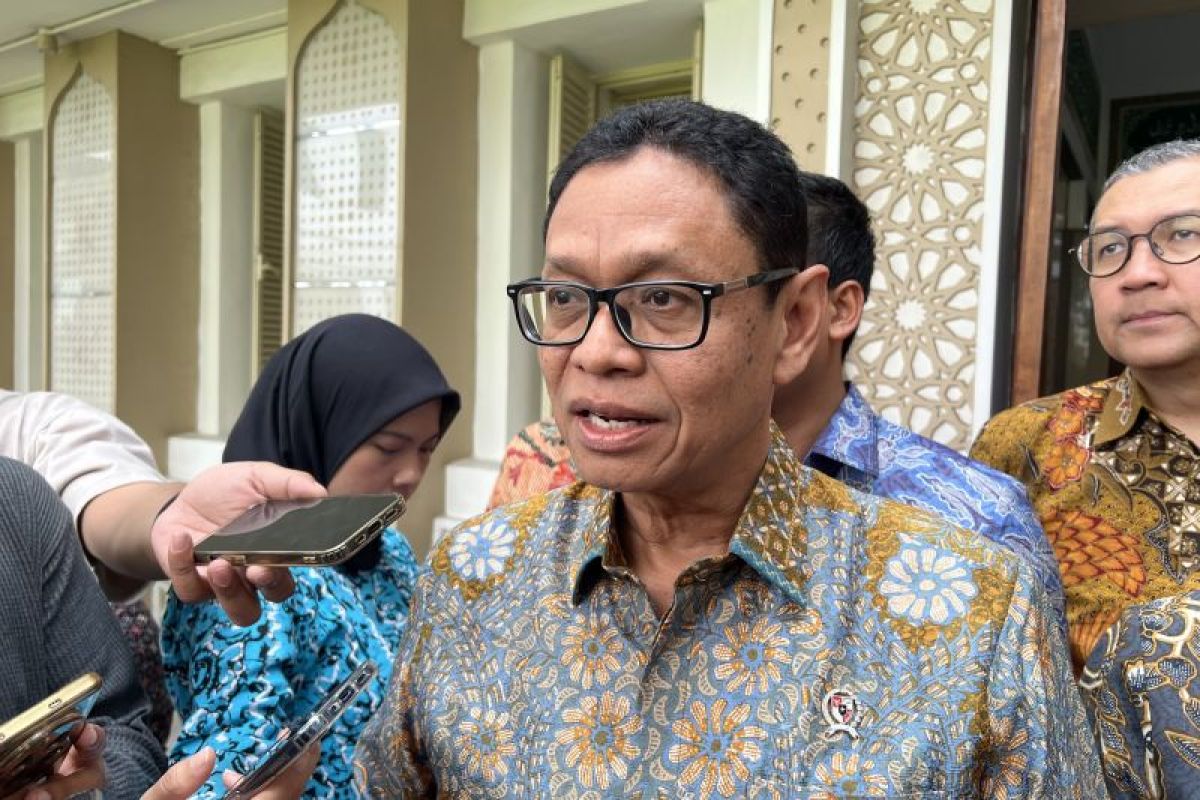
The Deputy Minister of Energy and Mineral Resources (ESDM), Yuliot, has stated that there are opportunities for cooperation in hydrogen development with several companies from the United States.
“We will also collaborate with several companies from America,” Yuliot said when met at the Ministry of Energy and Mineral Resources office in Jakarta on Friday.
Yuliot noted that the United States is developing hydrogen as an alternative renewable energy source. He also highlighted Indonesia’s significant hydrogen potential.
Based on data from PT PLN (Persero), Indonesia has a hydrogen surplus of 125 tonnes per year, as it only utilises 75 tonnes of the 200 tonnes produced.
“America is developing hydrogen as an energy source. We have indications that our hydrogen reserves are quite large. We have not yet fully utilised this, so we will pursue cooperation,” said Yuliot.
The Ministry of Energy and Mineral Resources has recorded 93 initiative projects for developing the hydrogen ecosystem, with an investment value reaching IDR 32 trillion.
The Director General of New, Renewable Energy, and Energy Conservation (EBTKE) at the Ministry of ESDM, Eniya Listiani Dewi, stated that these projects align with the directives of the Minister of Energy and Mineral Resources, Bahlil Lahadalia, to introduce projects following the diesel-replacement concept.
Furthermore, Eniya mentioned an existing project on Rengit Island, which is already collaborating with PLN for a diesel-replacement programme. This project serves as a government effort to demonstrate the concept of using solar power plants (PLTS) in remote areas, utilising hydrogen as an energy storage medium.
Eniya believes that the utilisation of hydrogen can enhance Indonesia’s energy security, potentially increasing its resilience score from a 7 out of 10 to an 8 out of 10.
She further noted that developing the hydrogen ecosystem requires collaboration between the government, State-Owned Enterprises (SOEs), industry, research institutions, universities, and international partners.