
Indonesia Opens Door to Partnerships with Europe on Tilapia and Seaweed
Jakarta (ANTARA) — Indonesia is opening up opportunities for partnerships with European investors to develop its tilapia and seaweed industries from upstream to downstream.
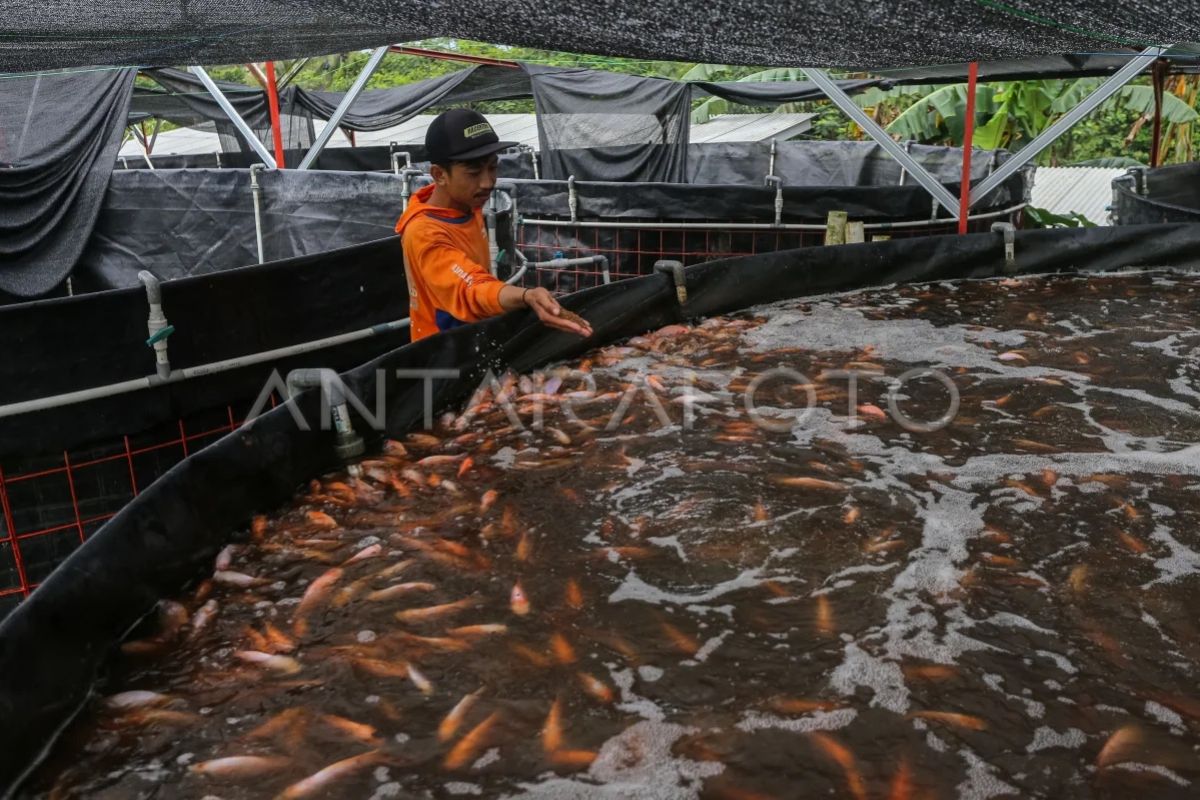
TB Haeru Rahayu, Director-General of Aquaculture at the Ministry of Marine Affairs and Fisheries, said in a statement in Jakarta on Sunday that Indonesia had developed tilapia farming on Java to meet domestic demand and supply raw materials to the processing industry.
“Potential partnerships include improving seed quality, feed efficiency, fish health and product traceability,” he said.
The cooperation opportunities were presented at the Indonesia–Europe Business Forum (IEBF) 2026 in Tangerang, Banten, on Thursday, 15 October.
Alongside tilapia, the ministry is also promoting partnerships to develop the seaweed industry by improving raw-material quality and strengthening post-harvest processes.
Cooperation in this sector could include supplying high-quality seedlings, introducing mechanisation and farming technology, and improving the drying and storage of harvested seaweed. These measures are needed to ensure consistent raw-material quality for the processing industry.
On the market outlook, Andhi Trapsilo, a representative of the Indonesian Tilapia Association (ATI), said Indonesia’s tilapia exports from January to November 2025 were worth US$87.57 million, or about Rp1.58 trillion.
The United States was the leading destination, accounting for 51.7 per cent of exports, followed by Canada at 24.7 per cent. Exports to the European Union were valued at US$7.13 million, or 8.1 per cent of the total export value cited.
Andhi also said Indonesian tilapia exports fetched US$6.98 per kilogram, the highest price among major global exporters such as China, Colombia, Vietnam and Taiwan.
He said the industry could increase value beyond its main product, fillets, by making use of processing by-products.
Fish skin and scales can be processed into collagen and gelatine, while other parts can be used to produce fishmeal and fish oil.
Artati Widarti, a representative of the Indonesian Tropical Seaweed Association (INTROSEA), said seaweed’s potential uses extended beyond hydrocolloid products such as carrageenan and agar.
Seaweed could also be developed as a raw material for the food, cosmetics, pharmaceutical and bioplastics industries, as well as products supporting agriculture and fisheries.
According to Artati, Indonesia–Europe partnerships could be developed through trade in derivative products, research, investment and processing. Quality testing, compliance with standards and market access are needed to improve the competitiveness of Indonesian seaweed products.
Source: jawawa.id (https://jawawa.id/newsitem/indonesia-opens-door-to-partnerships-with-europe-on-tilapia-and-seaweed-1792309849)
Originally published by Antara (Indonesian) (https://www.antaranews.com/berita/5794593/indonesia-buka-peluang-kemitraan-tilapia-dan-rumput-laut-dengan-eropa), translated from Indonesian