
Indonesia Needs to Diversify Energy Supply to Face Geopolitical Risks
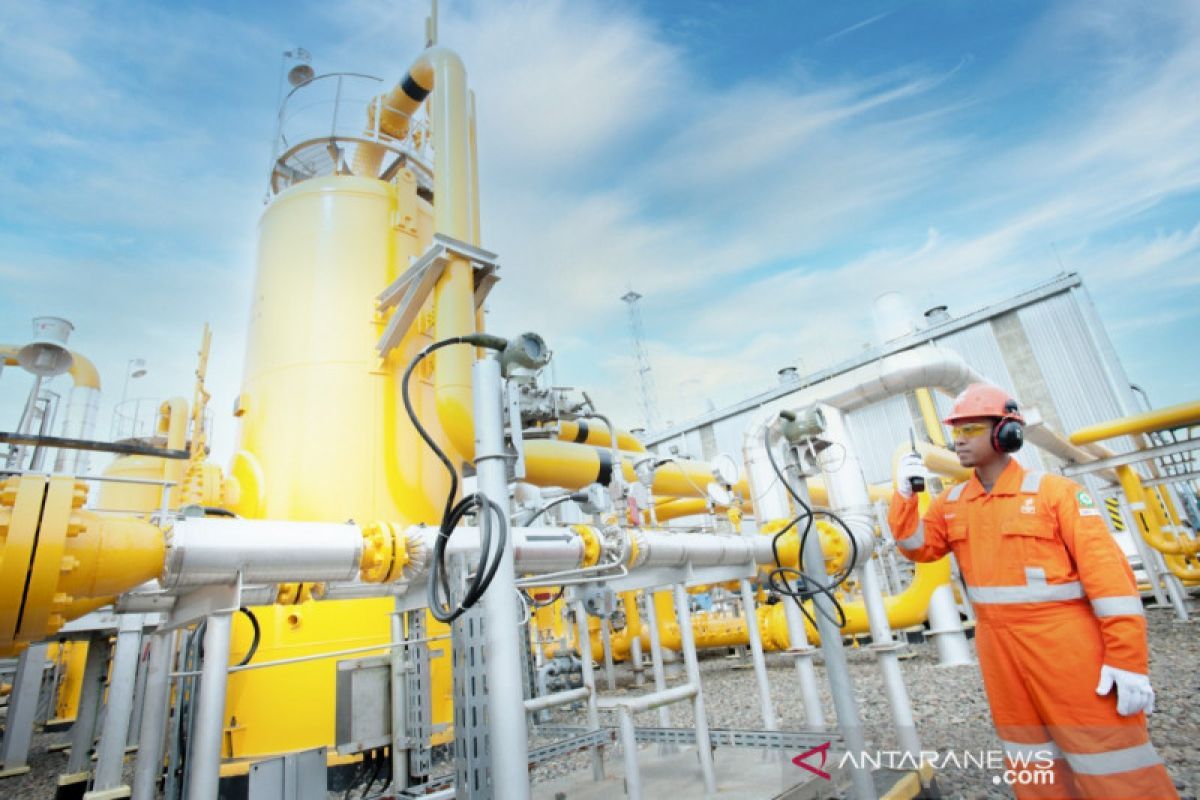
Jakarta — International relations expert Iis Gindarsah argues that Indonesia needs to diversify payment mechanisms as well as energy and food supply sources to strengthen economic resilience amid global geopolitical dynamics. ‘Fundamentally, we need a lot of diversification of payment mechanisms, diversification of energy commodity sources or food sources,’ Gindarsah said in Jakarta on Tuesday. He noted that while the policy of increasing domestic production capacity is appropriate in the long term, dependence on imported commodities remains an urgent challenge that requires short-term steps to maintain supply. The research fellow at the Rajaratnam School of International Studies said the main risk currently is the impact of Western economic sanctions on several countries, especially if Indonesia’s trade transactions are affected by restrictions on Western financial systems. Therefore, Indonesia needs to prepare alternative payment mechanisms that do not rely on the financial systems of the European Union and the United States. For transactions with particular partners, such as Russia, Indonesia can utilise bilateral payment schemes that have already been agreed. Diversification is also seen as important amid a strengthening US dollar. Gindarsah cited the use of local currencies in bilateral transactions with China, as well as the issuance of Panda Bond and Dim Sum Bond, as efforts to reduce reliance on the US dollar. However, he reminded that the use of the US dollar remains difficult to avoid for some transactions, particularly those involving the United States. Earlier, the Government of Indonesia said it has diversified energy sources to ensure fuel supplies remain secure amid global geopolitical dynamics, especially tensions in the Middle East. Energy and Mineral Resources Minister Bahlil Lahadalia, in an online press conference monitored from Jakarta on Tuesday (31/3), emphasised that this step is intended to reduce dependence on a single region while maintaining national energy resilience. ‘From our total fuel needs, those from the Middle East account for about 20 percent,’ he said. According to Bahlil, the government has anticipated potential supply disruptions by seeking alternative sources from other countries. ‘When tensions in the Middle East escalate, the government, under the President’s instructions, seeks other supply sources to replace those from the Middle East. And Alhamdulillah, we have already obtained them,’ he said. In addition to diversifying imports, the government is also strengthening domestic production through refinery development; one project inaugurated is the Refinery Development Master Plan (RDMP) in Balikpapan, with production capacity of 5.6 million kilolitres of petrol and around 4.5 million kilolitres of diesel.