
Indonesia needs to boost competitiveness to develop modest fashion
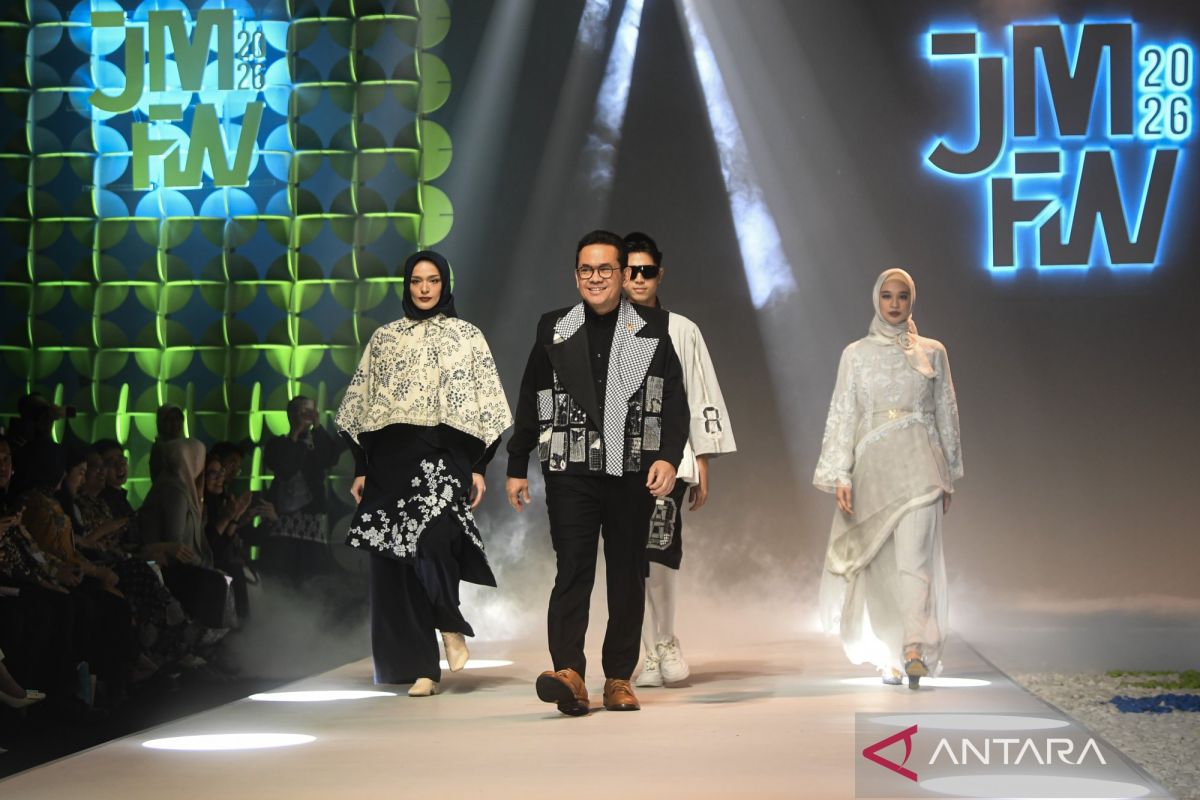
Jakarta (ANTARA) - Fashion observer Lisa Fitria believes Indonesia needs to take several steps, including improving competitiveness, to develop the modest fashion industry.
“The opportunity is very large. Indonesia has a relatively complete ecosystem, from designers, modest fashion brands, the textile industry, traditional fabrics, consumer markets, Muslim communities, and activities and communities that support the development of modest fashion,” Lisa told ANTARA in Jakarta on Tuesday.
Lisa, who is a member of the Indonesian Fashion Chamber (IFC), said the opportunity for Indonesia’s modest fashion industry to grow is very significant.
She assessed that the first thing to prepare is improving the quality and competitiveness of modest fashion industry players so they are not only strong globally, but also that brands have global standards in design, product quality, sizing, materials, sustainability, supply chains, promotion and production consistency.
Perceptions about modest fashion also need to be developed. The clothing should be introduced as a product that is not specifically intended only for Muslims, but as clothing that can be worn universally.
In addition, Lisa also emphasised the importance of international collaboration to bring local designers and brands to major events, whether fashion weeks, trade exhibitions, meetings with buyers or international fashion platforms.
“At the same time, our industry must also be ready to receive global buyers with professional production capacity and business standards,” she added.
“This is also proven by the Islamic Global Report, where Indonesia ranks first as a centre of innovation and creativity in Muslim or modest fashion design,” Lisa said.
Furthermore, Lisa said young people are now interested in clothing that combines traditional elements with modernity.
This trend could encourage greater use of Indonesian traditional fabrics in the fashion industry and bring economic benefits to traditional fabric artisans in various regions.
“So, the direction of development is not merely about making Indonesian fashion for the international market, but also creating global fashion with Indonesian DNA,” Lisa said.