
Indonesia Needs Rp 1,200 Trillion to Build 14,000 Km of Railway Tracks by 2045
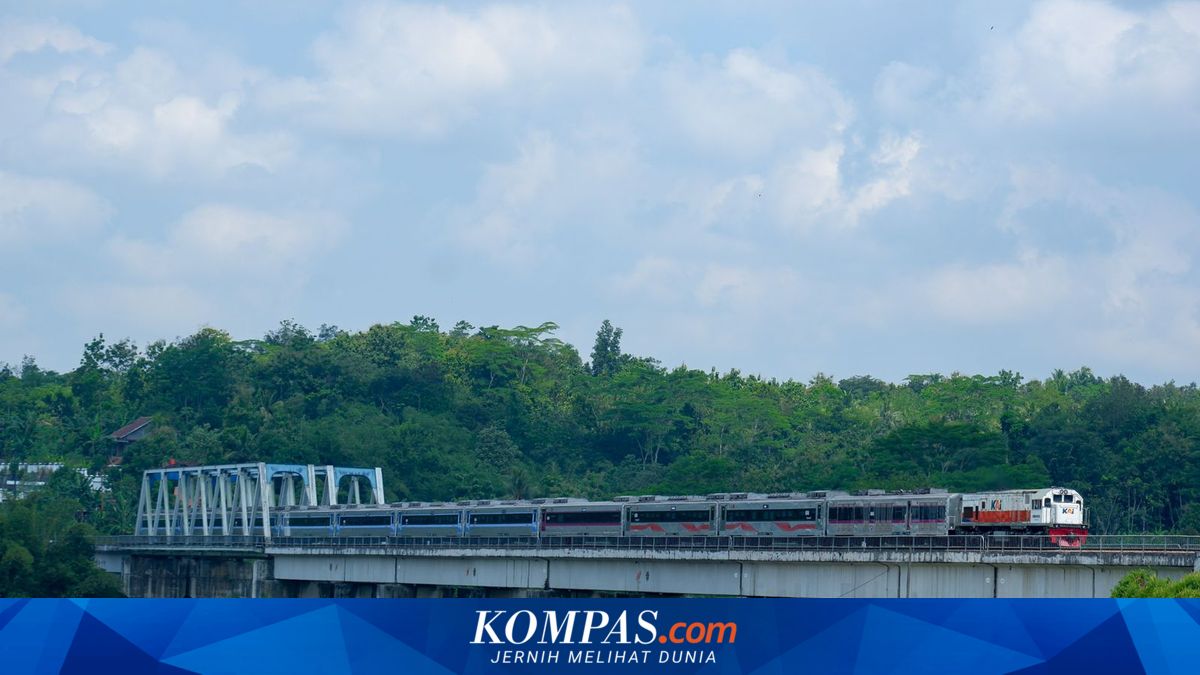
The government needs a substantial budget of around Rp1,200 trillion to build and reactivate the national railway network spanning 14,000 kilometres by 2045. Coordinating Minister for Infrastructure and Regional Development Agus Harimurti Yudhoyono (AHY) stated that this requirement is part of a long-term plan to strengthen national connectivity, especially outside Java island. “If we want to add, say, these 14,000 kilometres in the coming years, the cost is estimated at around Rp 1,200 trillion,” AHY said after a coordination meeting at Tanah Abang Station in Jakarta on Wednesday (22/4/2026). However, AHY stressed that the figure is preliminary and will be refined further, given that infrastructure development is heavily influenced by the geographical conditions of each region. The need for railway network development remains focused outside Java, which has long lagged in infrastructure. In Sumatra, the current rail length is about 1,871 kilometres, but it still requires an additional approximately 7,837 kilometres for optimal connectivity. Meanwhile, in Kalimantan, there is no railway network at all, with an estimated construction need of 2,772 kilometres. This disparity is evident from the total national rail network of around 12,000 kilometres, where approximately 10,000 kilometres are on Java island, and only about 7,000 kilometres are actively operational. AHY assessed that the railway sector still suffers from a lack of investment compared to road infrastructure. In 2026, the budget for national road construction and maintenance reaches about Rp46 trillion, while for railway tracks it is only around Rp5 trillion. “So there is a gap there,” AHY remarked. Nevertheless, railways are considered to have a strategic role, both for passenger mobility and inter-regional logistics distribution. Additionally, this mode of transport is more environmentally friendly. AHY noted that land transportation dominated by private vehicles contributes about 89 per cent of carbon emissions, whereas railways contribute less than 1 per cent.