
Indonesia must see before it pursues
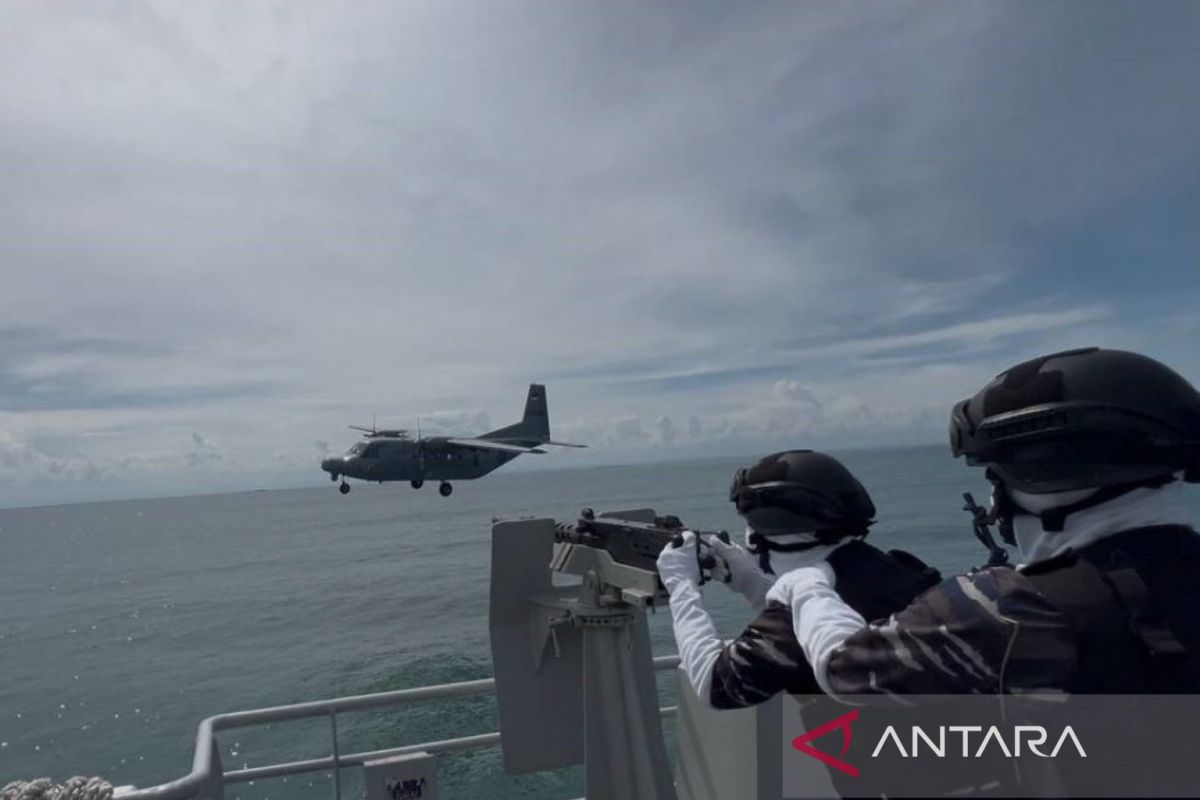
Indonesia’s seas are too vast to be guarded by random patrols alone. Warships, patrol vessels and aircraft can sail for days, burning fuel and engine hours, yet still arrive too late because the presence of a target or violation is only detected after it has occurred.
The problem is not merely a shortage of vessels. Indonesia in fact already has many ‘eyes’ at sea. The Indonesian Navy operates radars and surveillance systems; the Ministry of Marine Affairs and Fisheries runs the Vessel Monitoring System; the Ministry of Transport manages the Automatic Identification System and Vessel Traffic Service; whilst Bakamla, the National Police, Customs and other agencies each have their own equipment and control centres in line with their mandates.
The great challenge is the absence of a national capability to unify all this data into a single reliable maritime picture, a single early warning, and a single rapid operational decision.
This idea was the central theme of the National Seminar for the 2026 Hiu Kencana Anniversary at the Naval Staff and Command School (Seskoal) on 9 September 2026. Indonesia can no longer build sensors and platforms separately. It is time to have a fully integrated national maritime surveillance system, from the surface to the underwater, and from coastal waters to the Exclusive Economic Zone (EEZ).
Without integrated data, decisions at sea will always come too late.
Vessels that switch off their identification equipment, falsify their identity, hold suspicious rendezvous, or slip beneath the surface cannot be tracked using cooperative data alone. Data from the Vessel Monitoring System (VMS), Automatic Identification System (AIS), coastal radar, satellite imagery, unmanned aircraft, intelligence, and acoustic sensors must be fully correlated.
If a vessel broadcasts an identity inconsistent with its size, track or behaviour, the system should immediately flag it. If radar picks up an unidentified contact, satellite imagery and aerial assets can be directed to investigate. The command centre then determines the status, the risk, the legal authority, and the nearest element to be dispatched.
The chain of work is simple: detect, identify, track, assess, decide, intercept, then evaluate. Yet this simple chain will not function if data remains locked within each agency, standards are not uniform, and decisions must wait for lengthy manual coordination.
Integration does not mean piling all data into one giant database or handing all authority to a single institution. A safer model is distributed integration. Each agency continues to hold its own data, security classifications, legal mandate and chain of command. What is agreed upon are data exchange standards, minimum information products, access levels, service times, and action procedures.
Under this model, civilian interests obtain a shared maritime picture, whilst defence has a more complete and protected operational picture. The system keeps working even if one node is disrupted, and it does not create a single point of failure that could easily be paralysed by a cyber attack.
Source: jawawa.id (https://jawawa.id/newsitem/indonesia-must-see-before-it-pursues-1789444505)
Originally published by Antara (Indonesian) (https://www.antaranews.com/berita/5741237/indonesia-harus-melihat-sebelum-mengejar), translated from Indonesian