
Indonesia Moves to Standardise Cigarette Packaging to Curb Youth Appeal
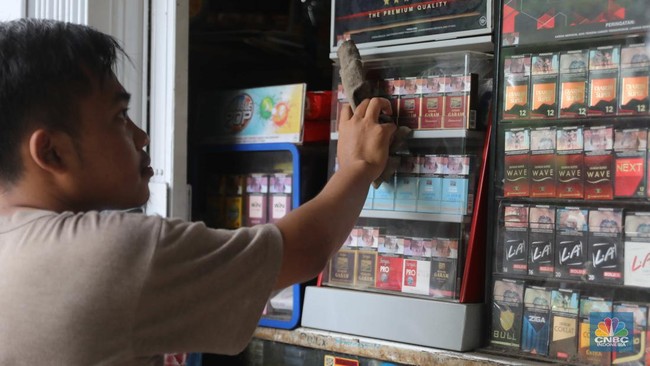
The Ministry of Health (Kemenkes) is drafting a Minister of Health Regulation (RPMK) concerning the inclusion of health warnings and information on tobacco products and electronic cigarettes. One of the key substances regulated is standardised packaging, or plain packaging, which involves uniform colouring of tobacco and e-cigarette product packs to reduce their appeal, especially to children and teenagers.
The policy follows the mandate of Government Regulation Number 28 of 2024 on the implementation of Law Number 17 of 2023 on Health, which stipulates the standardisation of packaging for tobacco and electronic cigarette products.
Acting Director General of Disease Prevention at the Ministry of Health, Andi Saguni, stated that cigarette and e-cigarette packaging has not only served as a container but also as a promotional tool that attracts potential new consumers, particularly young people. “The main objective of standardised packaging is not to ban legal products, but to reduce the visual appeal that has made tobacco products more attractive to children and teenagers. Cigarette packs must not become promotional media that encourage the younger generation to start smoking,” Andi said in a written statement.
Under the draft RPMK, tobacco and e-cigarette product packaging will use uniform colours, while brand identities and fonts may still be included according to applicable provisions. Pictorial health warnings will also remain clearly displayed to ensure the public receives adequate information about the health risks of tobacco consumption.
According to Andi, various international studies show that implementing plain packaging effectively reduces the appeal of tobacco products, increases the effectiveness of health warnings, and helps prevent smoking initiation among children and novice smokers. “When attractive design elements are reduced, public attention will focus more on the health messages on the packaging. This is one strategy proven effective in tobacco control efforts,” he said.
The Ministry of Health also emphasised that the drafting of the RPMK is being conducted transparently and involves various stakeholders. Since 2024, the government has held public consultation forums, cross-ministerial and institutional coordination meetings, and received input from the public, academics, professional organisations, business actors, and civil society organisations.
“All input provided during the regulatory drafting process has been considered by the government. However, in principle, health policy must prioritise protecting the public, especially children, from the risk of addiction and the harmful effects of tobacco consumption,” Andi added.
Data shows that the prevalence of child smokers in Indonesia remains a serious challenge. Therefore, the government continues to strengthen various tobacco product control policies as part of efforts to create a healthier and more productive generation.
The Ministry of Health hopes this RPMK will provide certainty in implementing the mandate of Government Regulation Number 28 of 2024 while strengthening public health protection through more effective control of tobacco and electronic cigarette products.
The government is also providing an adequate adjustment period for business actors. In accordance with Government Regulation Number 28 of 2024, the transition period lasts for two years from the regulation’s enactment, around July 2026. In the draft RPMK, the government is also arranging an additional adjustment period of up to 12 months for implementing provisions on health warnings and information on tobacco and e-cigarette products.
“Protecting public health, especially children and teenagers, is the top priority. We want to ensure future generations grow up healthier, free from nicotine dependence, and have a better quality of life,” Andi concluded.
The government also stressed that standardised packaging is not a new policy globally. Several countries have previously implemented similar measures as part of tobacco control efforts, including Australia, Canada, the United Kingdom, France, New Zealand, Singapore, Thailand, Brunei Darussalam, and Myanmar.