
Indonesia, Malaysia, Brunei, and Singapore Propose Zapin Dance to UNESCO
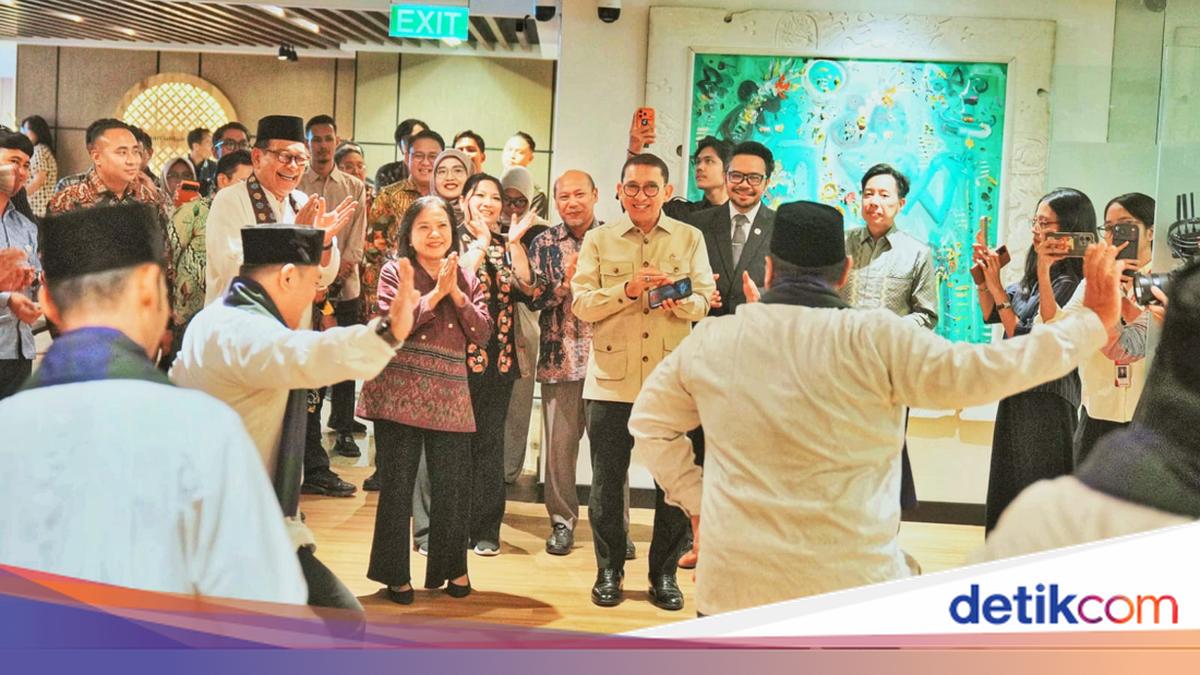
Through the Indonesian Ministry of Culture, Indonesia, together with Brunei Darussalam, Malaysia, and Singapore, has officially and simultaneously announced the multinational nomination of the Zapin dance for inclusion in the UNESCO Representative List of the Intangible Cultural Heritage of Humanity.
Held at the Ministry of Culture Building in Senayan, Jakarta, this joint proposal is part of an effort to strengthen the preservation of living and evolving cultural heritage in Southeast Asia, while simultaneously deepening cultural ties between the peoples of the four nations.
In an event attended by representatives from partner nations and national media, Indonesia’s Minister of Culture, Fadli Zon, stated that this is the third time Indonesia, alongside its Southeast Asian neighbours, has proposed a multinational cultural heritage, following the previous joint nominations of Kebaya and Pantun.
He noted that the Zapin dance is a culture shared and developed among the populations of Indonesia, Malaysia, Brunei Darssalam, and Singapore, manifesting in various forms and characteristics.
“We are proposing Zapin for the UNESCO Intangible Cultural Heritage of Humanity for the year 2027. This is a shared culture, as in previous eras, we were not bound by territorial borders. There were intersections, encounters, migrations, and cultural acculturation that influenced one another,” said Fadli Zon in a written statement on Wednesday (30/9/2026).
He explained that the development of Zapin in each country has resulted in cultural expressions with their own specific traits and uniqueness. In Indonesia, for instance, Zapin appears in various forms and names across different regions, such as Zafin, Jepin, Japin, and Dana-Dani.
“The cultural expression of Zapin in each country is different and possesses its own unique characteristics. This diversity is precisely the strength of this multinational nomination. We can maintain our individual identities while recognising a shared history of culture that lives across national borders,” he explained.
Fadli Zon added that the proposal for Zapin is also vital for increasing the global visibility of this cultural heritage. He believes the diverse expressions of Zapin in Southeast Asia can serve as a platform to strengthen people-to-people connections and inter-state cultural cooperation.
“For Indonesia, this proposal is important to strengthen the global visibility of Zapin and to demonstrate that the diversity of cultural expression in Southeast Asia serves as a foundation for unity, fellowship, mutual respect, and cooperation between nations. We hope this nomination proceeds smoothly and that we can celebrate the beauty of the Zapin dance together,” he said.
Meanwhile, the Director General of Diplomacy, Promotion, and Cultural Cooperation, Endah T. D. Retnoastuti, explained that the Zapin dance is a cultural tradition that has lived and evolved since the 14th century across various Southeast Asian nations, including Indonesia, Brunei Darussalam, Malaysia, and Singapore. The tradition encompasses not only dance but also movement, music, song, as well as knowledge and practices passed down through generations.
“This nomination initiative aims to strengthen regional cultural wisdom and brotherhood among Southeast Asian nations. The nomination process is currently in the preparation stage, requiring collaboration between communities, local governments, and relevant ministries to ensure the process is executed well, including ensuring the involvement and approval of communities through free, prior, and informed consent,” said Endah.
Furthermore, the Deputy High Commissioner of the Malaysian High Commission to Indonesia, Farzamie Sarkawi, stated that Malaysia welcomes and is proud to be part of the multinational nomination for Zapin alongside Indonesia, Brunei Darussalam, and Singapore. He noted that the proposal reflects the historical and cultural ties that have existed across geographical boundaries.
“Malaysia is proud to be part of this multinational nomination. For us, this is not merely a cultural nomination, but a reflection of the historical and cultural bonds that bind us together. Therefore, it is essential to ensure that the practitioners and guardians of this tradition remain central to this process so that their knowledge, skills, and experience can continue to be passed down,” said Farzamie.
Additionally, the Deputy Chief of Mission of the Embassy of Singapore, Terrence Teo, expressed appreciation for Indonesia’s leadership in this joint proposal. He assessed that the Zapin nomination reflects an artistic heritage that continues to be practised and inherited in the proposing countries.
“Zapin is a living tradition that continues to be practised and passed down through generations in our countries. For Singapore, this nomination is a continuation of the partnership established among the four nations. We will continue to work together to recognise, promote, and preserve the various elements of this shared heritage, and deepen collaboration in the protection of Zapin after the nomination process is complete,” said Terrence.
The multinational proposal for the Zapin dance is a collective effort by Indonesia, Brunei Darussalam, Malaysia, and Singapore to elevate a Southeast Asian cultural tradition that possesses shared historical and cultural significance. In Indonesia, Zapin evolves with diverse names and forms according to the local cultural context.
Source: jawawa.id (https://jawawa.id/newsitem/indonesia-malaysia-brunei-and-singapore-propose-zapin-dance-to-unesco-1790744555)
Originally published by detikcom (https://news.detik.com/berita/d-8685574/indonesia-malaysia-brunei-dan-singapura-usulkan-tari-zapin-ke-unesco), translated from Indonesian